
The Greatest Sea Ballad of all Time
‘The Leaving of Liverpool’ is a 19th‑century folk ballad. It is also a sea shanty, best known as a sailor’s lament. It speaks about parting from home and a loved one before a long voyage.
The hymn expresses a longing to draw closer to God. This longing persists even through suffering. ‘E’en though it be a cross that raiseth me, still all my song shall be, nearer, my God, to Thee.’
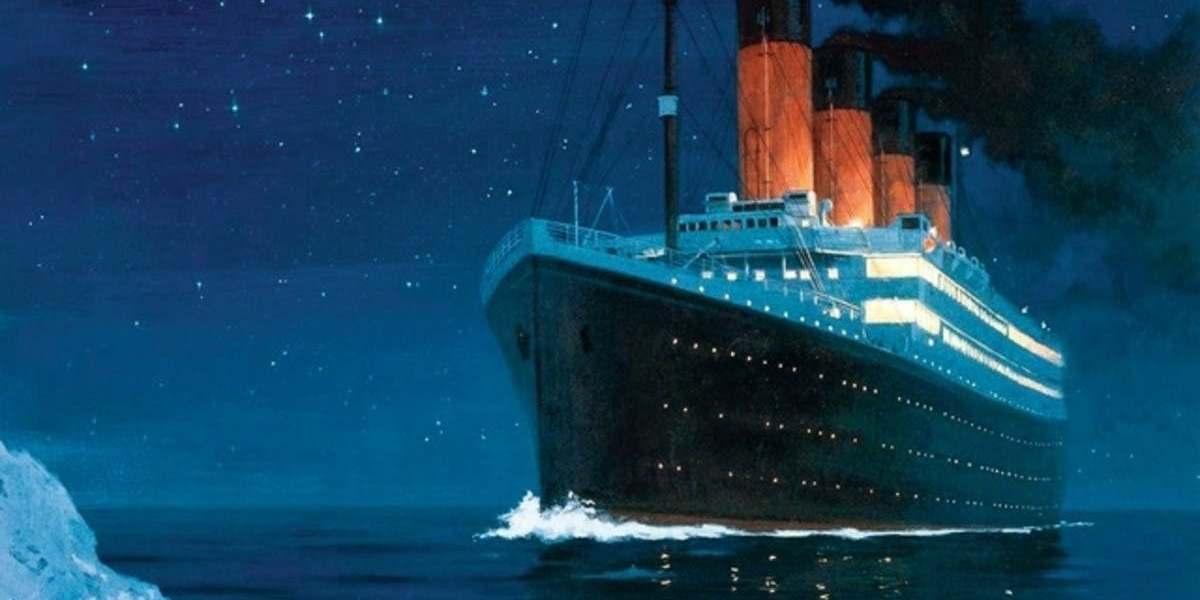
For those of us who live and breathe the ocean, maritime movies inspire us. Nautical-themed books are also a powerful source of inspiration.
The route passes through the Bering Strait, along the northern coast of Russia, and into the North Sea, with stops in ports in the UK, the Netherlands, Germany, and Poland.
This isn’t a one-off voyage, but the launch of a regular ‘Arctic Express’ service, making it similar to traditional container services.
There could be no possibility of my missing one of two excruciating deaths. If the tug’s propellers didn’t turn me into mincemeat, my drowned corpse would eventually float to the surface after the floating crane had passed over me. Even if the tug stopped, the momentum of the barge would merely spare me the chop from the stilled propellers.
The new route is significantly faster than traditional voyages, which take about 40 days via the Suez Canal, 50 days via the Cape of Good Hope at Africa’s southern tip, and around 25 days via Eurasian railways.
Nothing ventured, nothing gained, as the paddles dipped and the canoe bows encountered the breakers, the canoes were hurled into the air and then afterwards slapped down into each trough whilst threatening to send us all to a watery grave with each roller encountered. Imagine taking a ride on a bucking bronco or steer.
Like two scared hunted deer, we held each other up for support. I was alarmed by a sound of rustling in the nearby foliage. Glancing to my right, what I then saw shocked me to the core. Against the lighter shadows, I could make out half-crouching running figures. Each native was armed with a panga as they furtively attempted to head us off.
According to the story, Unsinkable Sam survived the destruction of three warships in World War II and lived happily until 1955. A pastel portrait of Sam (titled Oscar, the Bismarck’s Cat) by the artist Georgina Shaw-Baker is in the possession of the National Maritime Museum, Greenwich.
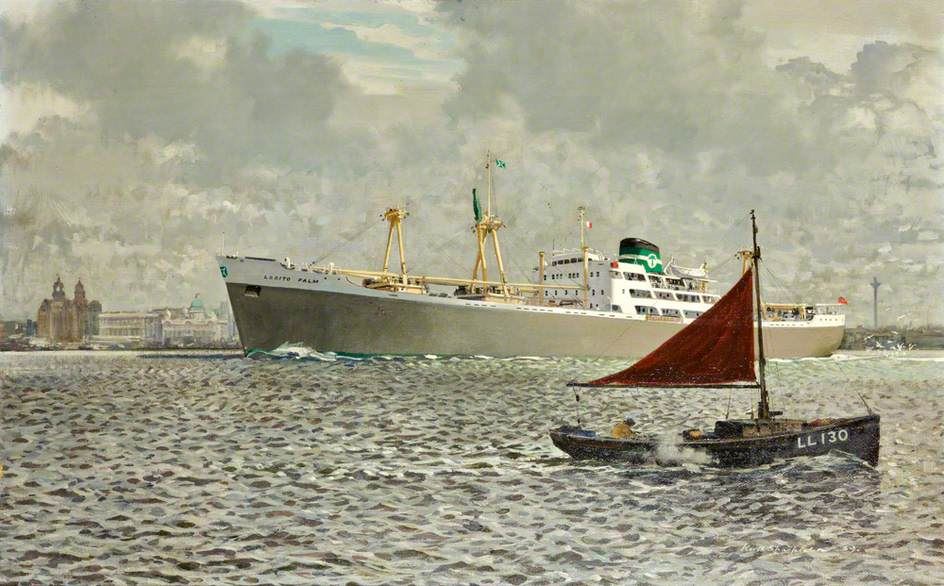
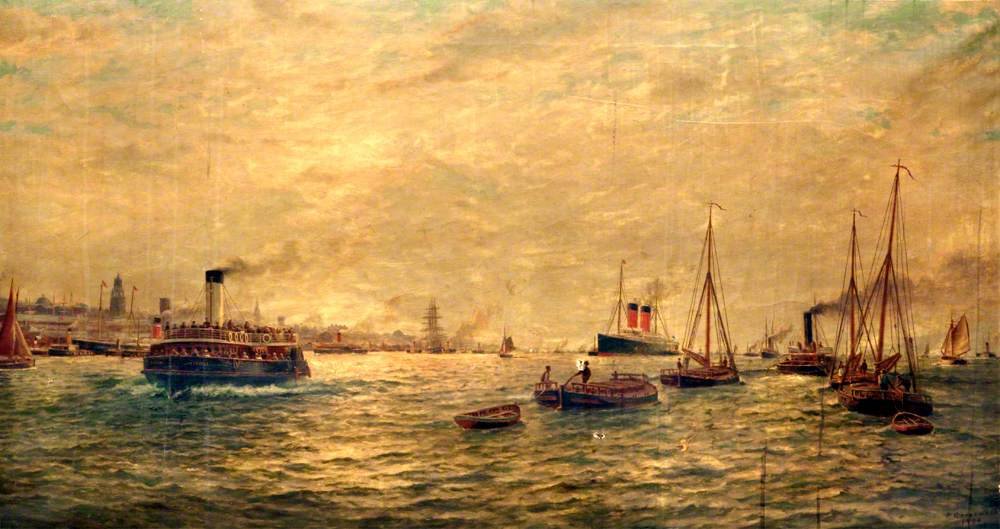
Today, there is a growing fascination for what is now recognised as the zenith of Britain’s 400-year-old merchant marine, the vessels and great shipping companies of the past, and especially of the seafarers and their then way of life.
Recent Comments