




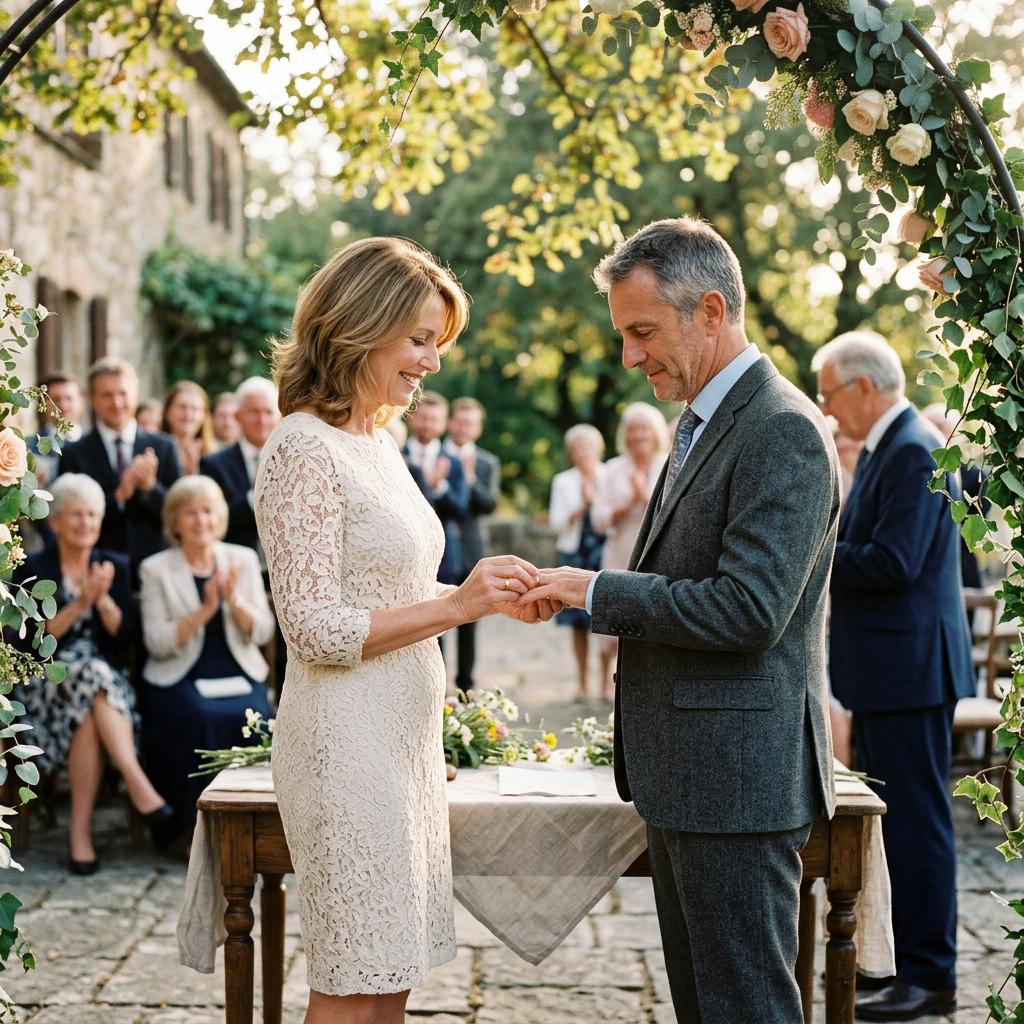
The wedding ring has a very long history and is not exclusively Christian, although Christianity helped popularise it and give it a meaningful token of mutual attraction and commitment in Europe.
Ancient Origins
The custom of exchanging rings in mutual attraction, desire and lasting relationships appears to predate Christianity by many centuries.
Ancient Egypt (over 4,000 years ago): Egyptians exchanged rings made from reeds or woven plants. The circle, having no beginning or end, symbolized mystic mutual attraction, eternity and fate-driven undying love.
Ancient Rome
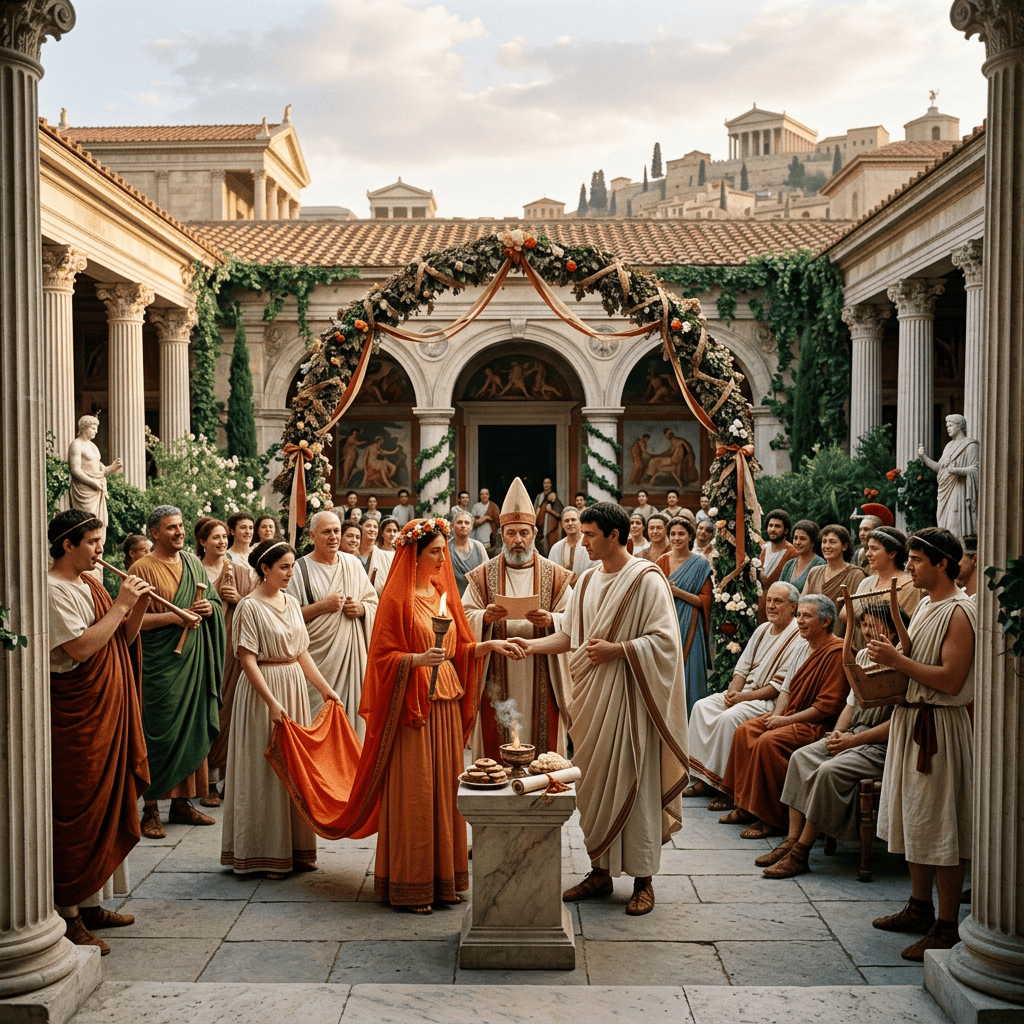
Romans adopted the practice and often used iron rings. A wedding or intimacy ring could symbolize not only affection but also a legal or social bond between families.
Left Hand
The belief that the ring should be worn on the fourth finger of the left hand comes from an ancient Roman belief.
A vein, the vena amoris (vein of love), ran directly from that finger to the heart. Modern anatomy shows this is not true, but the symbolism endured.
European Meaning
As Christianity spread through Europe, the Church incorporated the Mutual Ring into togetherness ceremonies. For Christians, the ring came to symbolize:
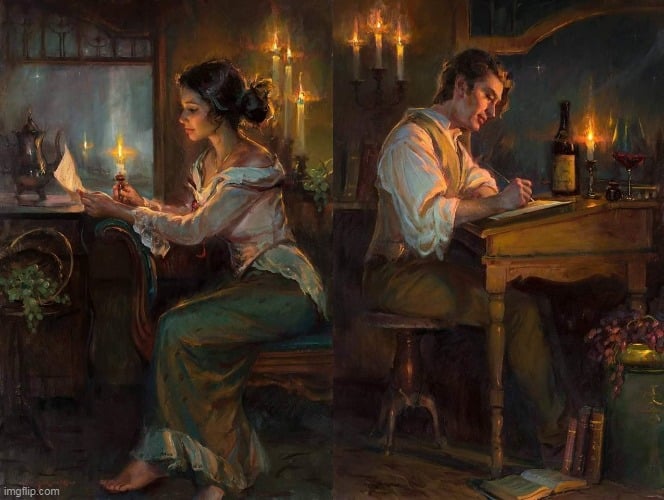
The permanence of the love-heart covenant.
Fidelity, spiritual and romantic empathy, mutual attraction and commitment. The unbroken bond between lovers.
God or Fate’s Eternal Love.
By the Middle Ages, wedding rings had become a standard part of Christian marriage rites throughout much of Europe.
Silver has its own symbolism
Purity and sincerity, Humility and faithfulness. Wisdom and clarity.
Silver wedding rings were less common among wealthier Europeans only because gold was viewed as the more prestigious metal, but silver was widely used too.
Traditional Interpretations
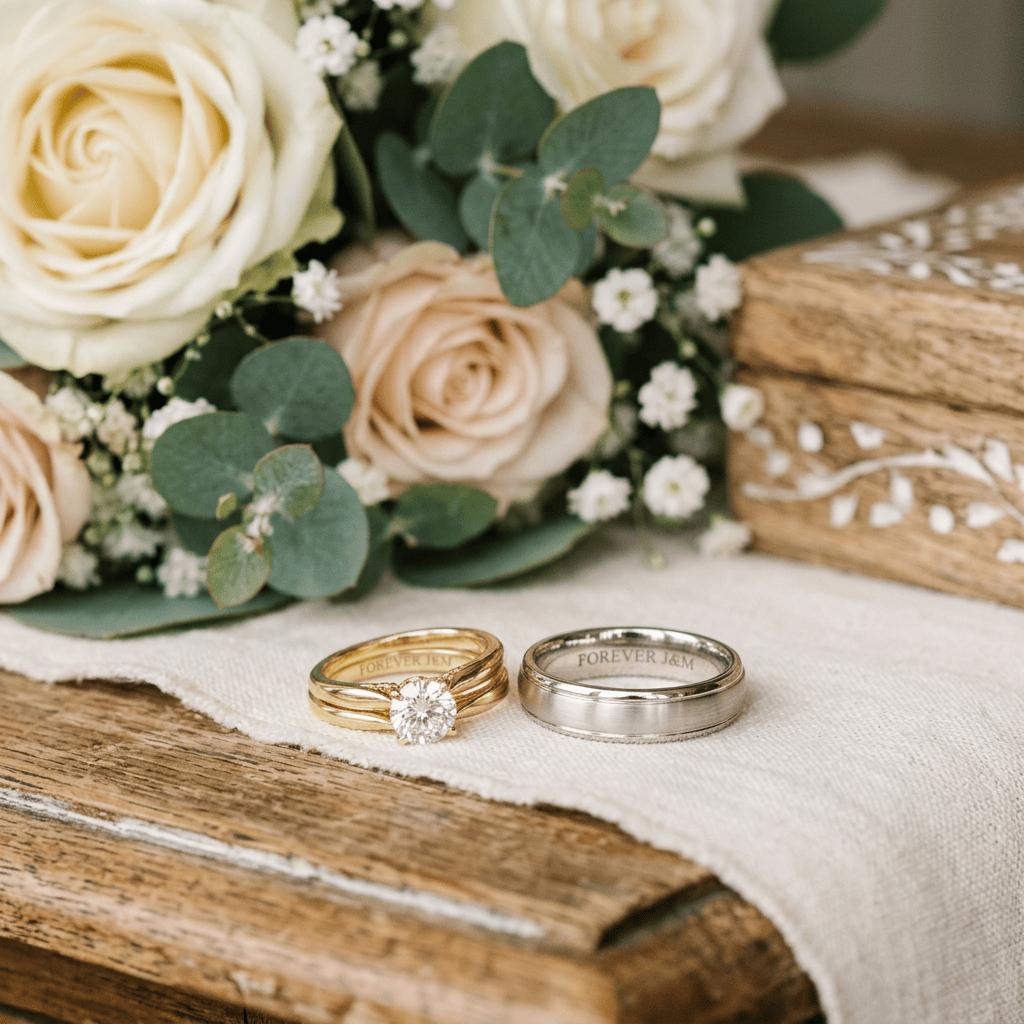
In folklore and alchemy, gold and silver were often seen as complementary: Gold. Sun, masculine energy, constancy. Silver: Moon, feminine energy, intuition.
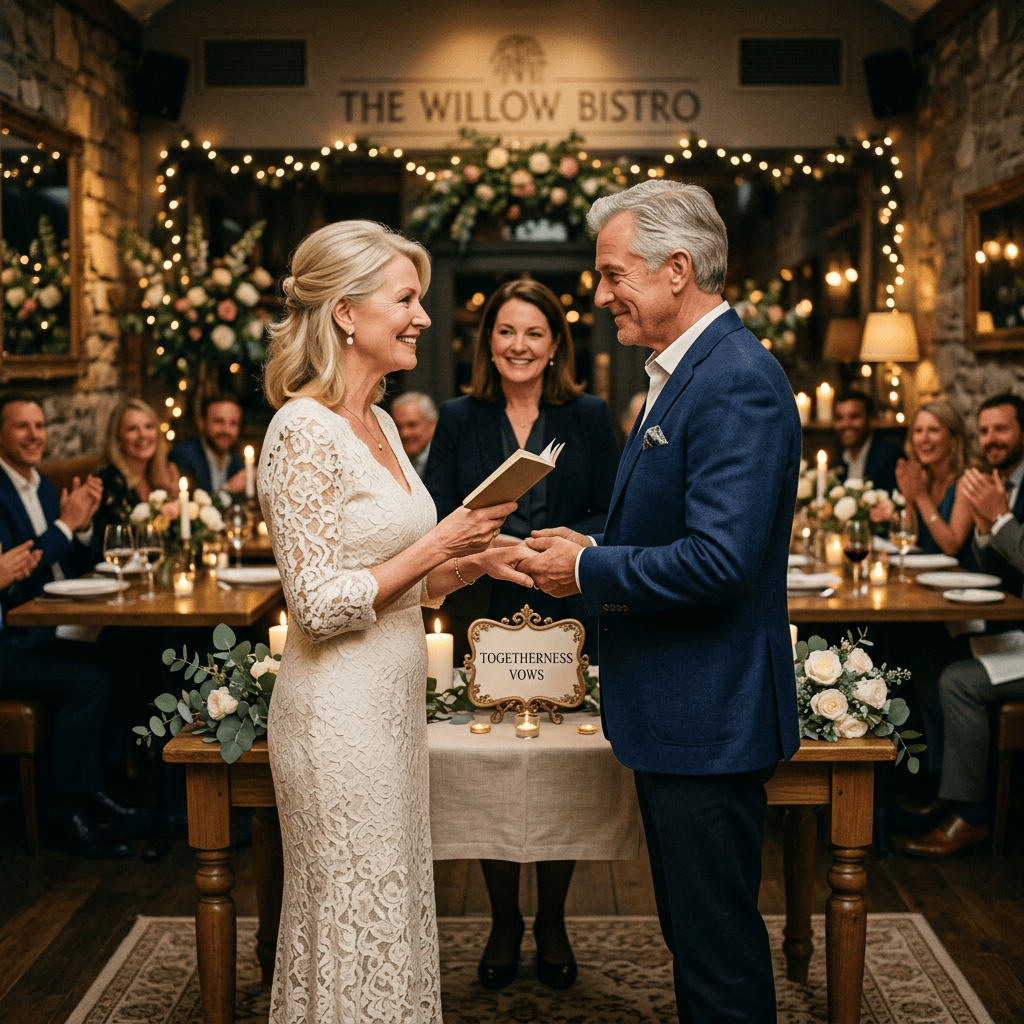
A Statement of Mutual Togetherness
A man and a woman mystically fated to be together will use the wedding or pact ring outside of a conventional marriage and use the finger band as a statement of mutual attraction
Is It Universal?
While wedding rings are very widespread today, they are not universal. Different traditions have had different marriage symbols:
In Hindu traditions, rings may be exchanged, but necklaces such as the mangalsutra and other symbols have traditionally been more significant.
In some Muslim societies, such rings are common today, but they are cultural rather than a requirement of Islamic law.
Many traditional societies around the world historically used bracelets, necklaces, clothing, tattoos, or other emblems instead of rings.
The Symbolism of the Circle
The most universal meaning is probably the unbroken permanence of the ring, as in the Ring of the Nibelung.

MICHAEL WALSH AWARD-WINNING WRITER’S GREATEST BOOKS AND NOVELS. Romance, Travel, and Maritime. Business Success, Ireland, Poetry, Africa, Crime, Conflict and Culture. Click the picture to access.
A ring circle has no beginning and no end
For that reason, across many cultures, the ring came to represent: Mutual Attraction, Togetherness of the Souls. Eternity. Unity. Commitment. Fidelity.
The continuous cycle of life
The wedding ring is best understood as an ancient, near-universal symbol of enduring commitment that Christianity adopted and enriched with religious significance, rather than something that originated as a specifically Christian practice.


THANKS FOR SHARING WITH FRIENDS AND SOCIAL MEDIA
Share this:

Categories: Family & Parenting