







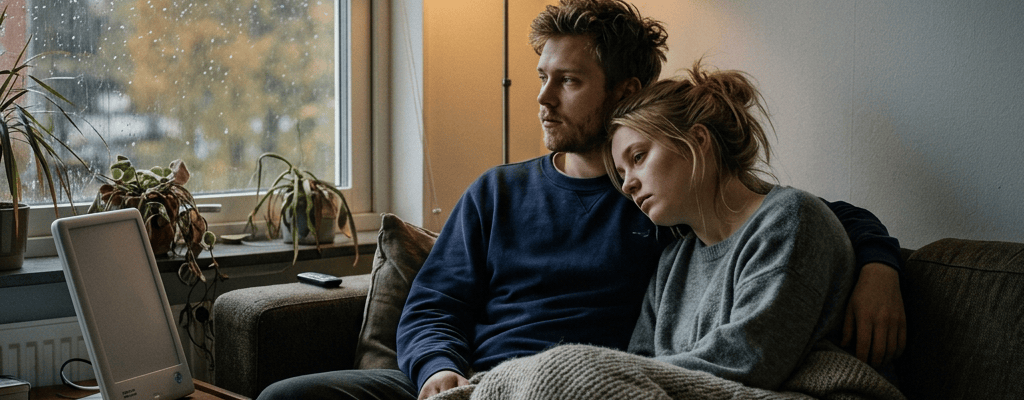

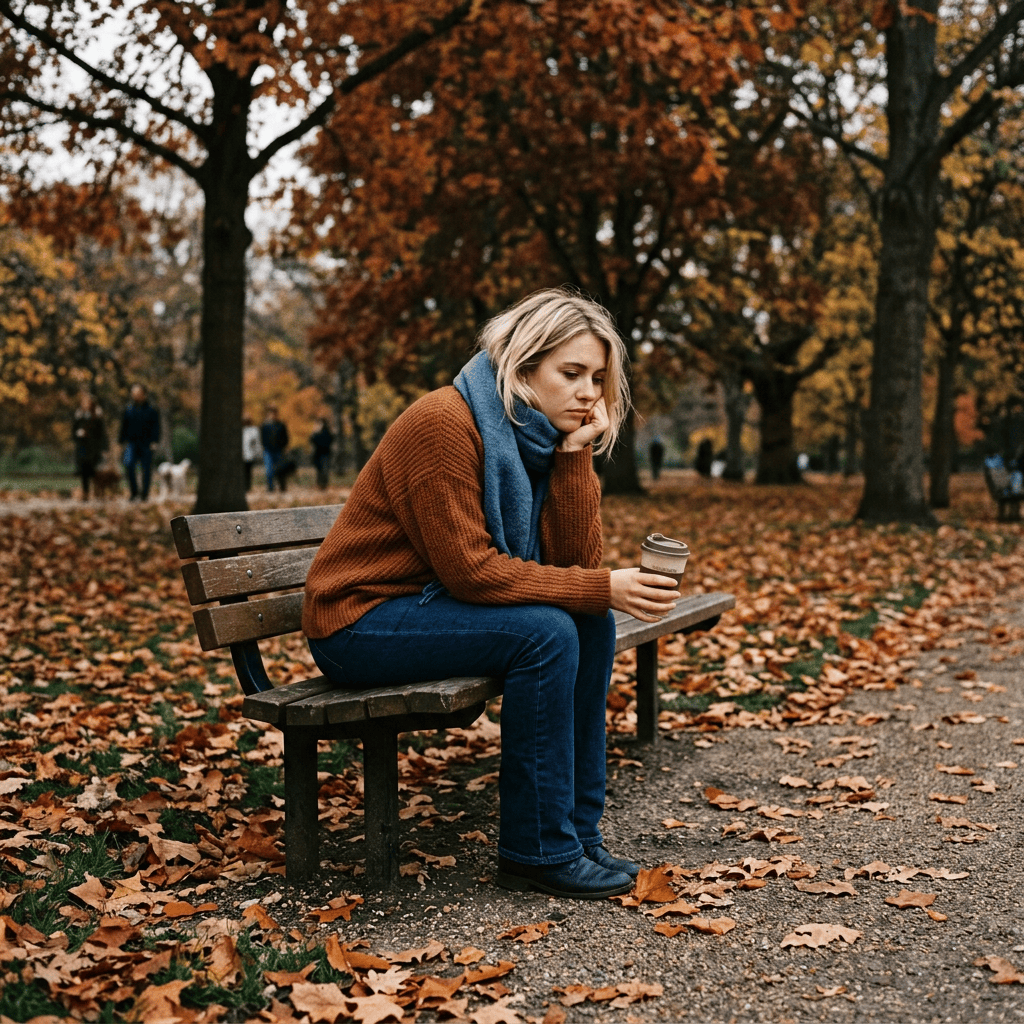
The days are getting shorter, mornings are darker, and summer suddenly feels like a distant memory.
For some people, autumn brings more than cooler weather and cosy evenings. It brings tiredness, low mood and a strong desire to stay in bed. This feeling is often called the ‘autumn blues.’
In some cases, however, it can be part of a condition known as Seasonal Affective Disorder (SAD), a type of depression linked to seasonal changes.
Why Does Autumn Affect Our Mood?
One of the main factors is less daylight. As days get shorter, changes in natural light can affect our biological clock and the chemicals that regulate sleep and mood.
Our routines also change. We tend to spend less time outdoors, exercise less and stay indoors more. At the same time, returning to a busy work or school schedule after summer can increase stress.
For some people, these changes can trigger a noticeable decline in mood and energy.
Who Is More Likely to Experience It?
Seasonal depression can affect both men and women, but it is more commonly diagnosed in women.
People who have experienced depression before, or who have a family history of mood disorders, may also be more vulnerable. Still, seasonal depression is not limited to any particular age or gender.
What Does It Feel Like?
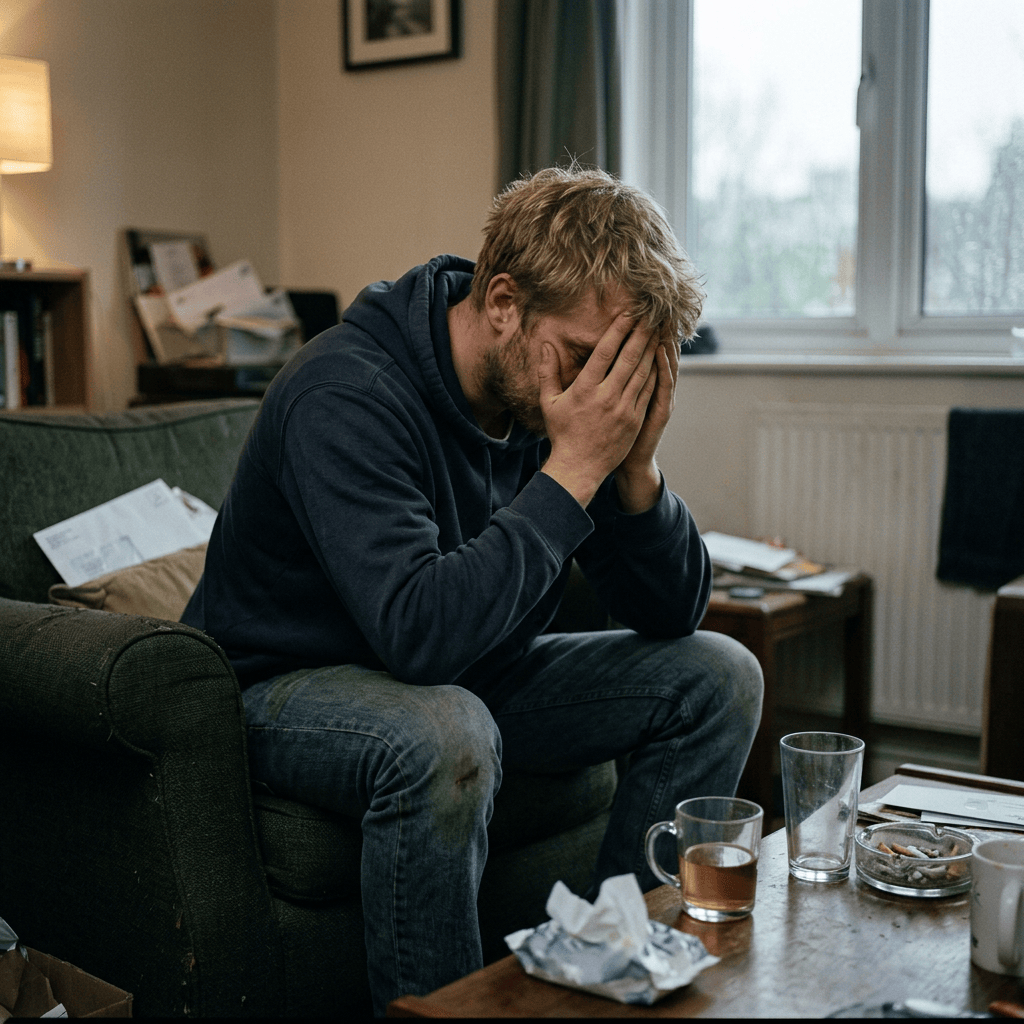
The symptoms can be easy to overlook at first. You may simply feel more tired than usual or lose motivation to do things you normally enjoy.
Common signs include: * low mood or sadness; * lack of energy and motivation; * sleeping more than usual; * difficulty concentrating; * losing interest in favorite activities; * avoiding social interaction; * increased appetite or cravings for carbohydrates; * feelings of hopelessness.
How to Feel Better
The good news is that there are simple habits that can help support your mood during the darker months. Get outside. Try to spend some time outdoors every day, especially during daylight hours.
Even a short morning or lunchtime walk can help you get more natural light.
Keep moving
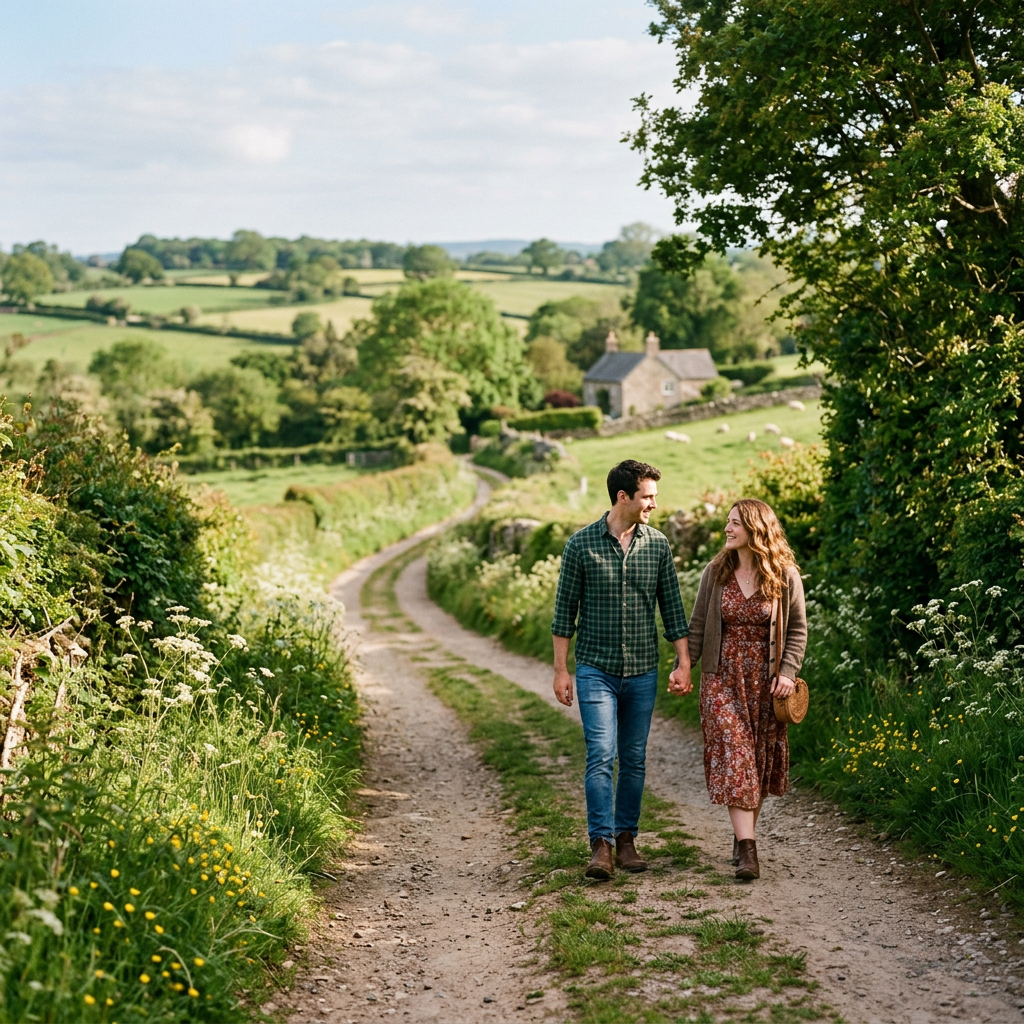
You don’t need an intense workout. Walking, swimming, yoga, cycling or any activity you enjoy can help improve your energy and mood.
Protect your sleep
Keep a regular sleep schedule and try to wake up at roughly the same time each day. Stay connected. When you’re feeling low, it can be tempting to withdraw.
Instead, make an effort to stay in touch with friends and family. Make room for things you enjoy.
Hobbies, music, reading, travel, creative activities, or simply meeting friends can give your week structure and something to look forward to.
For people with Seasonal Affective Disorder, light therapy and psychotherapy can also be effective. In some cases, medication may be recommended by a doctor.
Can You Prevent the Autumn Blues?
If you notice that your mood drops every autumn or winter, don’t wait until you feel completely exhausted.
Start preparing early: spend more time outdoors, stay physically active, maintain a regular sleep schedule and keep your social life going.
Planning enjoyable activities can also help prevent the season from becoming a period of isolation. And remember: feeling a little less energetic in autumn is normal.
Autumn doesn’t have to mean putting your life on pause. With the right habits the darker months can still be a healthy and enjoyable part of the year.


THANKS FOR SHARING WITH FRIENDS AND SOCIAL MEDIA
Share this:

Categories: healthcare



It is because of less sunlight? Sun lamps used to be a thing.
Watched great Sevastopol movie Monday with Lyudmila Pavlichenko (309 KIA) sniper story mixed in there.
Stalingrad gets all the press with Kursk but Sevastopol is where the defense started to stiffen.
Made in 2015 before SMO and there is Ukrainian input.
Russians even have female WAR heroes!
LikeLike