




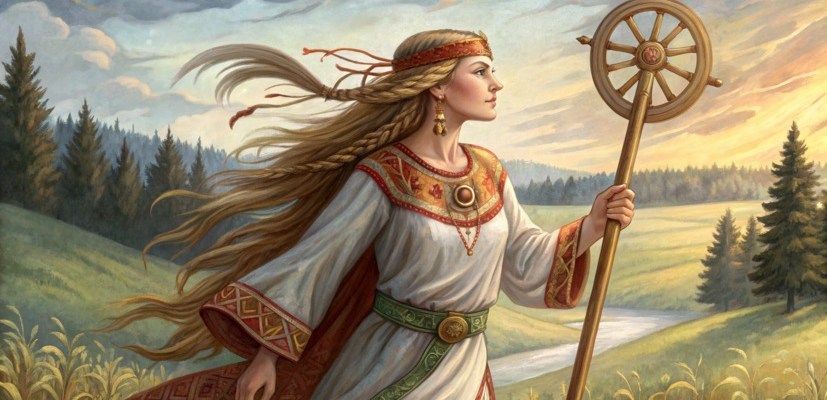
EUROPE FREE PRESS: November 10th is the day of honour for Mokosh according to Slavic tradition. Mokosh is the goddess of fate, fertility, and feminine power.
Later, she was called the Heavenly Spinner: she wove the threads of happiness and trials into the fabric of life. On this day, women strives to maintain inner harmony, observed certain taboos, and turned to Mokosh for support.
Who is the goddess Mokosh (Makosh) in Slavic mythology?
Mokosh occupies a special place in the Slavic pagan pantheon. She is the only female goddess mentioned among the supreme deities in the Tale of Bygone Years (12th century).
This goddess has many faces. She appears as a mother goddess. She is a patroness of childbirth and a guardian of the family and home.
Mokosh is also inextricably linked with the elements of earth and water. She is revered as the patroness of the mother of damp earth and fertility.
Her name is often associated with the concepts of ‘mother’ and ‘kosh’ (lot or fate). This allows it to be interpreted as ‘mother of fate.’
According to later beliefs, Mokosh is the Celestial Spinner. She weaves the threads of human destinies. She determines their path from birth to their passing.
In this sacred process, she is assisted by two sisters (or hypostases). The bright Dolya (Srecha) ties the knots of happiness. The gloomy Nedolya (Nesrecha) is responsible for trials and tribulations.
Mokosh governs the law of retribution (karma). This ensures that each person receives what they deserve based on their actions and intentions.
How is the Slavic goddess Mokosh similar to Baba Yaga?
Mokosh is connected to the mysterious and sometimes frightening figure of Baba Yaga. This connection is traced through their shared archaic roots. They both embody the ancient mother goddess.
Both figures act as guides and guardians of the boundary between the worlds (Reality and Nav’).
Like the Greek Hecate, goddess of crossroads and witchcraft, Mokosh was associated with this figure. Baba Yaga also shows the way from the world of the living to the world of the dead. She is a sorceress.
In fairy tales, Baba Yaga, like Mokosh, who spins the threads of fate, often gives heroes a guiding ball.
The story of Vasilisa the Beautiful shows Baba Yaga acting as a mentor. She helps the heroine gain wisdom and become a skilled spinner. This symbolizes the blessing of the Spinner of Fates.
Lessons from Mokosh for modern women.
1. Creative work and harmony. Mokosh is the patron of handicrafts (weaving, spinning, embroidery). Creative manual labor promotes inner harmony and develops patience, perseverance, and attentiveness.
2. Responsibility for destiny. Mokosh teaches that a person is the creator of their own life’s pattern. The goddess sets the main thread (fate). However, how we manifest ourselves in given circumstances depends on our free choice and attitude.
3. Wisdom and Balance. The goddess calls for understanding the deep essence of existence. She seeks balance between the spiritual and the material. She also promotes kindness, mercy, and tranquillity.
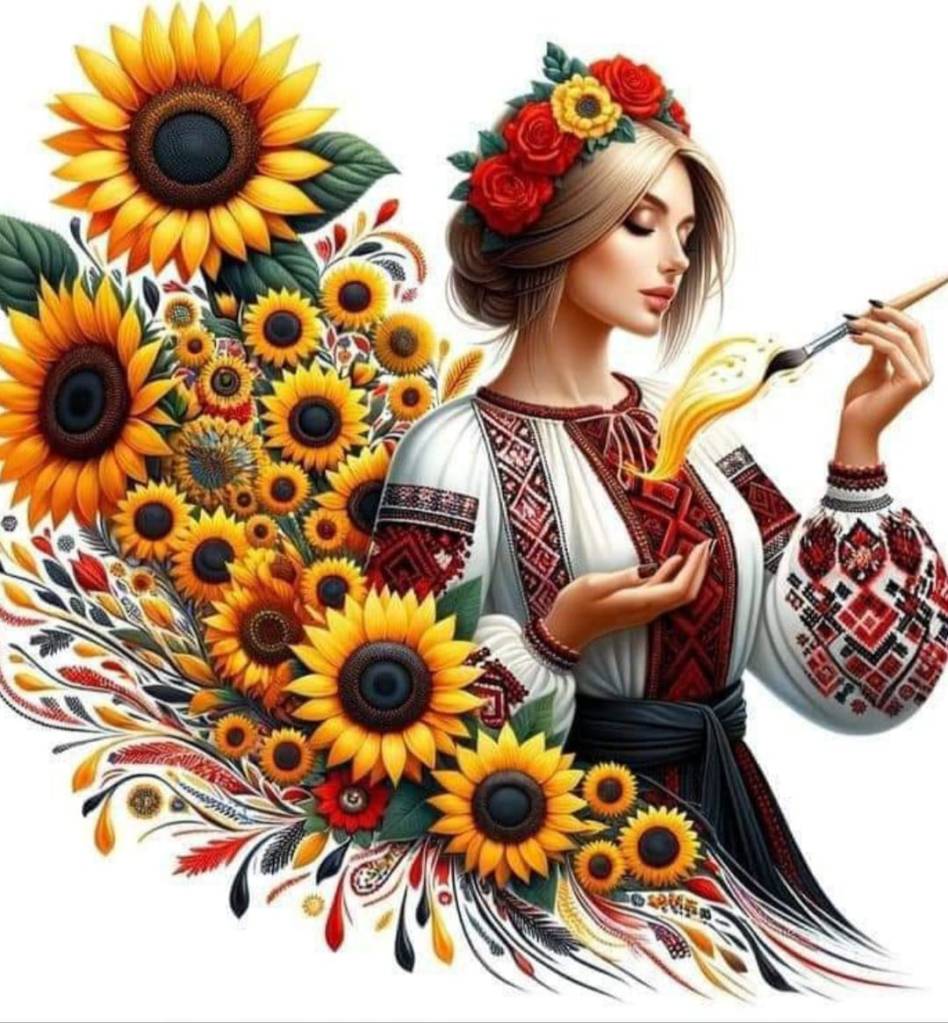
4. Maintaining the hearth. As the patroness of the home, Mokosh favors those who create comfort and warmth. She appreciates care for family and children. She also favors those who remain faithful.
How to celebrate Mokosh Day on November 10th and what to cook
November 10 is traditionally one of the main days of Autumn Mokosh. It is the time to commemorate Rozhanitsa-Mokosh before the onset of winter.
Cleanse the house and make a protective doll;
Share milk (fresh) with children or neighbors as an act of protection and health.
Organize a thanksgiving service to the goddess, bring modest offerings (yarn, linen, silver, grain).
On this day, the table should be filled with simple foods, bread, porridge, and baked goods.
Field symbolism is also appropriate, bread products, grain, and poppy seeds (as symbols of light and darkness in her image).
Things you shouldn’t do:
LEFT: Click to access a wonderful book
Spin, weave, sew, wash, or bathe children. Do heavy household chores; kill spiders (they were considered servants of the goddess); accept threads and yarn as gifts on this day, which could bring about someone else’s fate.
It is also customary on this day to turn to Mother Water. They throw a tow or thread into a well, asking for the blessing of moisture and harvest. They also perform fortune-telling.
The amulet doll Mokosh
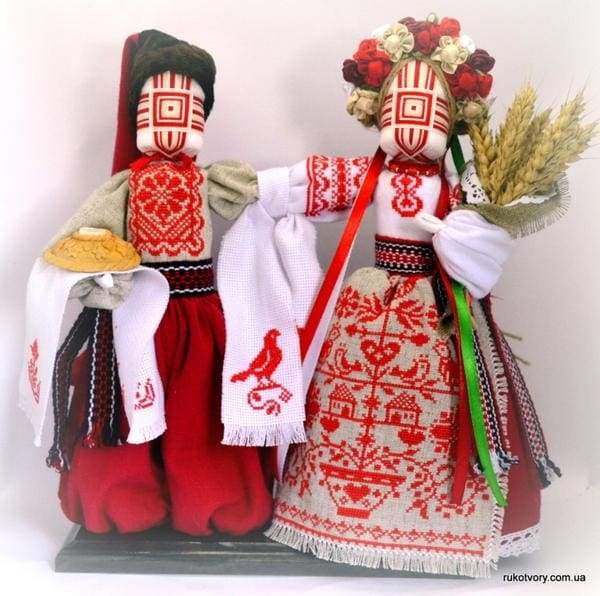
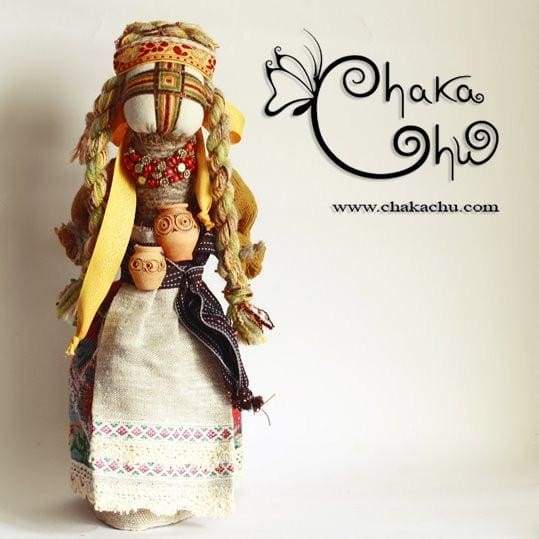
A doll in the image of Mokosh is an ancient amulet made from ‘feminine’ woods and flax.
In the Motanka doll tradition, an aspen or linden branch is used as an axis, representing feminine wood. Linen fabric, red thread, and a spindle are used as symbols of fate. You can and should share this story on social media. TELL US WHAT YOU THINK

A NEW GENERATION of illustrated books and novels makes great hand-delivered gifts. They are perfect for family and friends. These include genres Romance, Travel, and Maritime. Novels, Business success, City Vigilante, War, and Culture are also featured. Britain and Europe’s most successful writer is Michael Walsh. https://michaelwalshbooks.wordpress.com/

Share this:

Categories: Ethnic traditions, Uncategorized



 Michael Walsh Stories and Books