






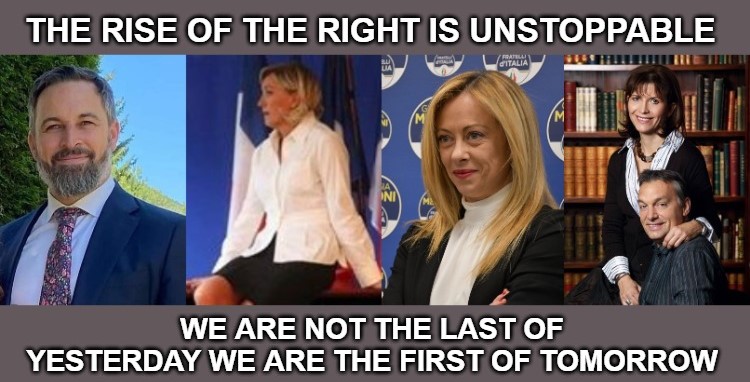
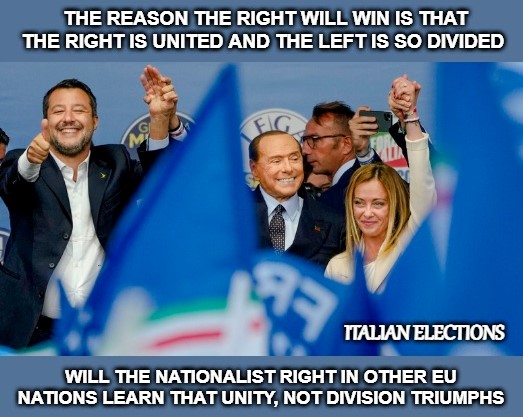
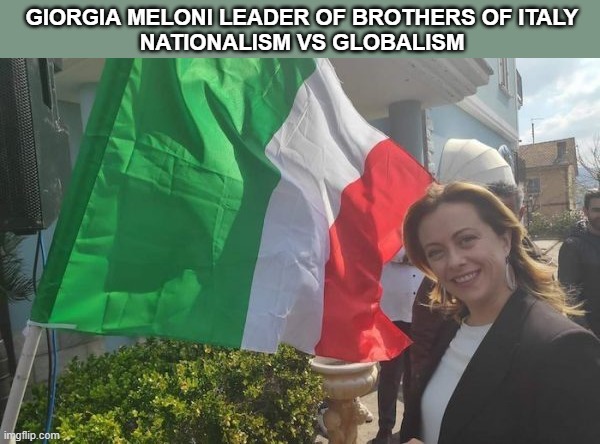
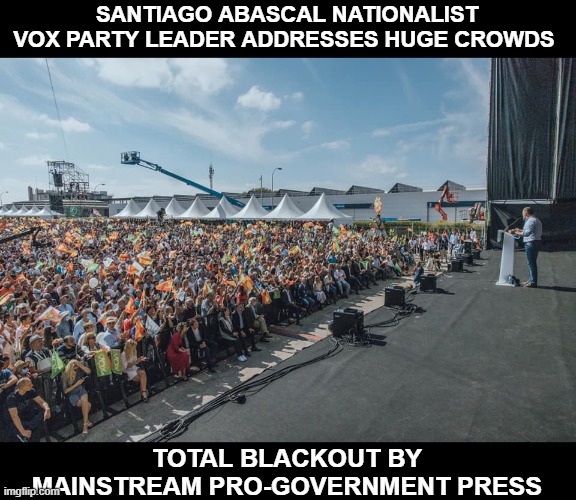
In October last year, an executive made up of conservative parties took office in Sweden with the external support of an anti-globalist nationalist far-right party. In Italy, another patriotic government of the conservative right led by Giorgia Meloni was elected with conservatives sitting in the executive. In June, a coalition government was also formed in Finland that includes what liberal media calls ‘extreme right-wingers’ in ministerial posts. Polls point to a coalition of the popular right and far right as a likely coalition in the next Spanish government, and it is already a reality in several of the country’s autonomous regions. The leader of the Spanish Popular Party said in an interview with the newspaper El Mundo that ‘it would be good for the EU if Meloni ended up in the EPP’ (European People’s Party).
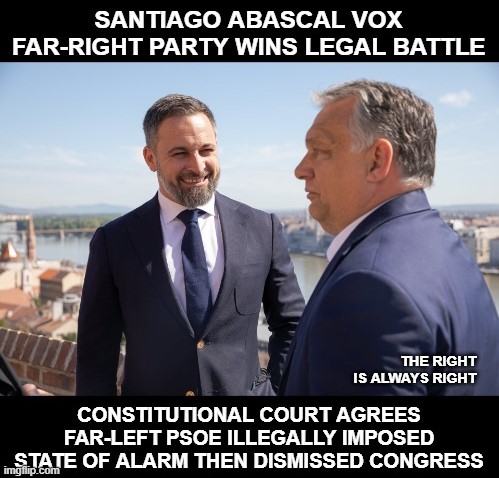
On the other hand, the ‘far right’ retained its mandate in Hungary in April 2022, and has the prospect of winning another mandate in Poland in elections scheduled for later this year. It is also on the rise in Germany and has almost annihilated the supposedly moderate right in France.

The rise of the patriotic anti-liberal right and its influence on the traditional right represents the most momentous political story of our time in Europe. Of course, there are differences between the various far-right parties, and there are differences in how the traditionally conservative and similar parties react, but it is clear that there are also common trends. The huge, forbidding, prison-like barge that docked this week in the U.K. is a reminder that ultra-conservative groups are not necessary for their influence to make its mark on traditional conservative parties.
Heavy-handedness in immigration matters is a recurring feature. In Sweden, the new coalition government has agreed to tighten the country’s generous asylum conditions. This is one of the outward signs of the far right’s growing influence. Another symptom of this phenomenon has been the opposition of the European People’s Party disassociation from the pro-European majority, the group voted with the far right.

In Finland, the anti-migrant head of the Ministry of Economy had to resign a few days after taking office because of the scandal unleashed when his past jokes about National Socialism and references such as ‘Heil Hitler’ became known. In Italy, the popular Forza Italia has not taken up political arms against Giorgia Meloni’s decision to limit the parental rights of homosexual couples. Authorities are already acting in the city of Padua to remove the non-biological mother from the registry in about 30 cases of lesbian couples.
In France, the cordon sanitaire remains in place against the far right. However, it is worth noting that several politicians of the moderate right who were vying for the candidacy in the last presidential elections took up the idea of calling a referendum to establish the primacy of French law over EU law on immigration, a real torpedo to the hull of the sinister pro-migrant European project.

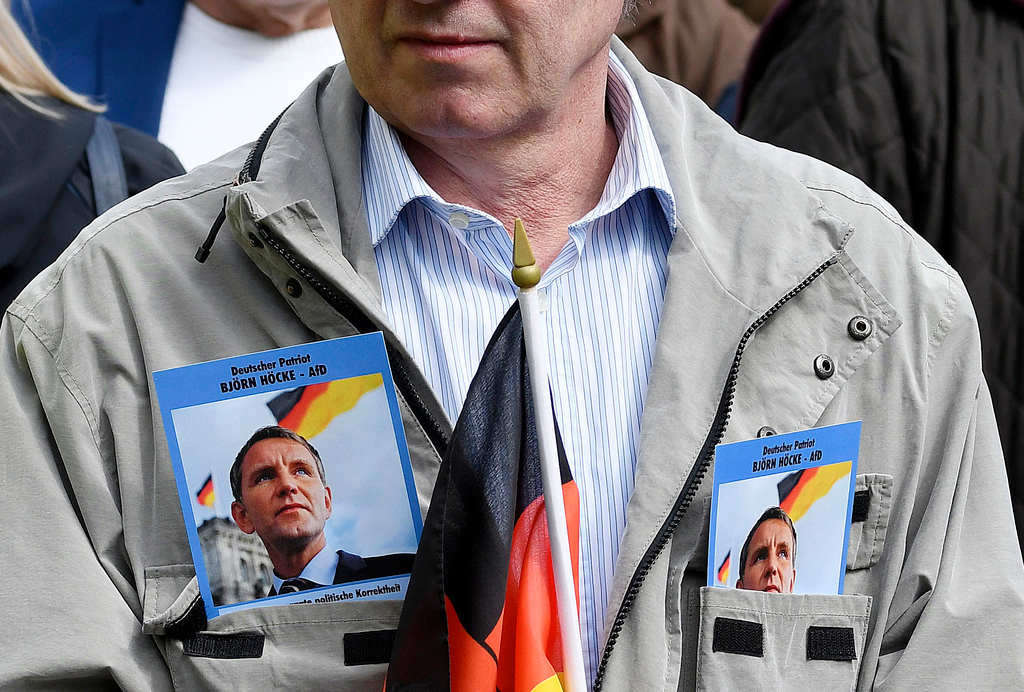
In Germany, party leader Friedrich Merz described a speech delivered at a party event by Claudia Pechstein as ‘brilliant.’ A policewoman and former skating champion, Pechstein railed against asylum seekers, non-traditional families and gender-neutral language while dressed in her uniform. The liberal wing of the party was stunned. This week, Merz said something else that attracted a lot of attention:
The CDU ‘should be an alternative for Germany with substance.’ It was not clear from the speech whether it was Alternative with the capital letter of the patriotic right party, Alternative für Deutschland. These are examples that point to where things are going in the most problematic battlefields: immigration, environment, the past, European integration, liberal rights, and liberal sub-values.
However, there are growing signs that the ‘risks posed by the far right (nationalist) are greater in two key areas: the erosion of liberal values and of the common European project. The defence of non-European minorities or disadvantaged groups (LGBY+) is the left claim ‘a fundamental attribute of democracy.’

In the European Council, capitals with Europhobic traits (Budapest and Warsaw) or varying degrees of Euroscepticism (Rome, Prague, and Helsinki) are not far off from the crucial 35% blocking minority. Conservatives and the far right are not likely to fall far short of a majority in the next European elections.
Will the conservatives in Brussels be swayed by the push from the far right and the coalitions they maintain with them? What about national measures? More migrants holding hotel ships like those in the U.K.? Fewer rights and protections for the LGBTQI+ community?
MAKE YOUR VOICE HEARD BY SHARING OUR STORIES

THE ALL LIES INVASION Mike Walsh TWO BOOKS IN ONE – SAVE MONEY A thought-provoking illustrated compendium of bizarre, amusing examples of Allied wartime propaganda. 38 rave reviews over 130 illustrated stories: the lies that betrayed millions of Allied servicemen and their families. ONLY €27.
BUY MICHAEL WALSH’S BOOKS HERE
Share this:

Categories: Uncategorized



 Michael Walsh Stories and Books
Thank You !
LikeLiked by 1 person