




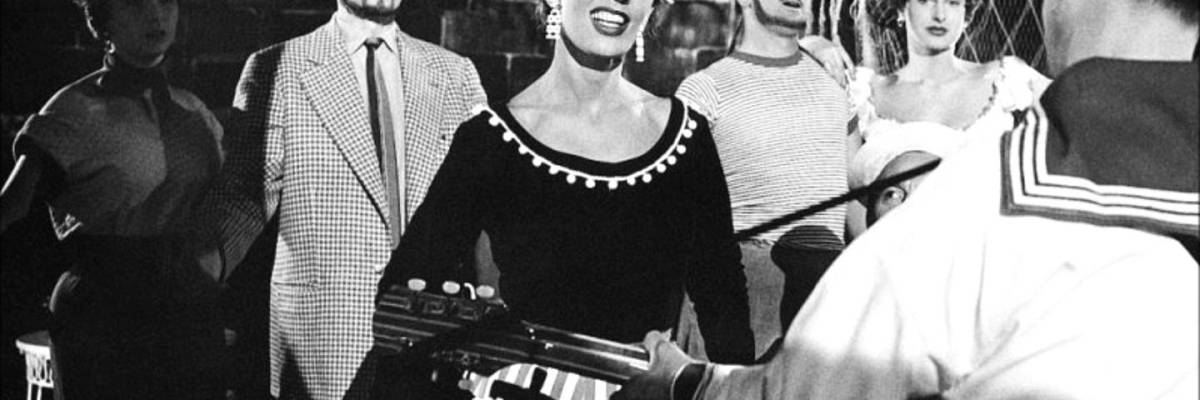
For those of truly advanced age, World War II is a fading memory but a recall that brings with it nostalgia. For most, it is a fondness for four women singers who evoke the troubled period like no other.
For the Allies, there was Gracie Fields and Vera Lynn and for the Axis Marlene Dietrich (until she changed sides) and Lale Andersen. Through a quirk of fate, both Fields and Dietrich were exiled from their respective homelands due to their being perceived as turncoats.
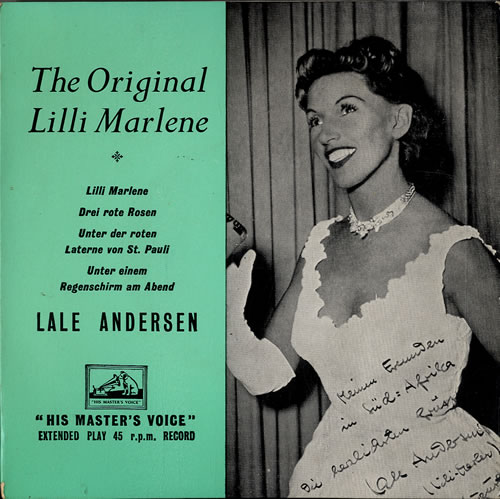
Destined to be the feminine icon of the war years, Lale Andersen was little known outside Germany. As a Berlin cabaret artiste during the 1930s, she recorded the Franz Leip poem, The Song of a Young Soldier. Renamed Lili Marlene it had been put to music in 1938 by composer Norbert Schultze. Her recording of it brought her international acclaim. Their stories are told in Heroes of the Reich by Michael Walsh.
From 1945 to 1952 Lale was largely forgotten; she was a phantom of Germany’s past that like the nation was to be blue-pencilled out of living history.

PLEASE share our stories to help us grow
Renewed confidence and prosperity launched her reappearance with the song Die Blaue Nacht am Hafen, the lyrics of which she had written herself. It was an instant hit as was Ein Schiff wird kommen written in 1959. She was awarded a Gold Album for each of these songs.
With the prejudices and bitterness of war largely forgotten Lale Andersen took part in the Eurovision Song Contest; coming 13th, in 1961. Adored both at home and abroad she completed a world tour during the 1960s. Her book, The Sky Has Many Colours topped Der Spiegel magazine’s bestselling list.
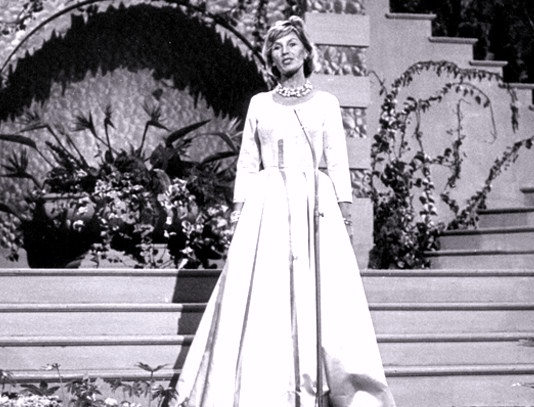
A beautiful woman and the loveliest of singers Lale Andersen will always evoke a lonely 19-year-old soldier’s pencilled poem, penned in a barracks shortly before being posted to the Russian front. Lili Marlene was in fact, two women. Lili was Hans Leip’s own sweetheart and Marlene, a young nurse who was dating his comrade in arms.
It was a poem of little significance and when its haunting words were put to music its sales numbered less than 700 discs. In German-occupied Yugoslavia in 1941 Radio Belgrade broadcast Lale Andersen’s Lili Marlene as a space filler. The ballad won hearts immediately. Lili Marlene was enthusiastically adopted not only by the legendary Afrika Korp but by the British Eighth Army too, which irritated Winston Churchill. Forces favourites Anne Shelton and Vera Lynn both sang Lili Marlene on the BBC.
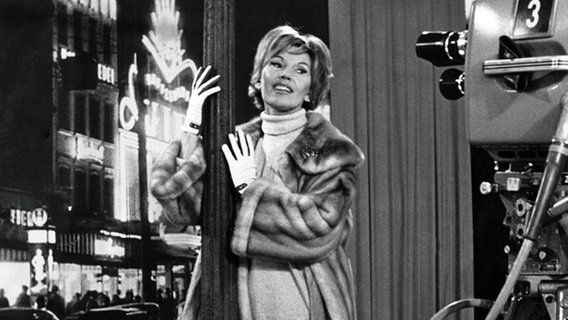
Lili Marlene has been translated into 48 languages and it became the most popular wartime poem and song ever recorded, a record unlikely to be broken. The one question remains. Did Lale Andersen become famous through her own qualities or was it the serviceman’s poem that brought her international acclaim? I leave it to you to decide.
Lale was still performing in her sixties and remained stunningly beautiful and elegant when tragically, by today’s life expectations, this beautiful singer died of a heart attack when still young. Auf Wiedersehen, nightngale.
Related book Heroes of the Reich by Mike Walsh
Share this:

Categories: Uncategorized



 Michael Walsh Stories and Books
An even more tragic case was Rosita Serrano, the Chilean Nightingale.
LikeLiked by 1 person