




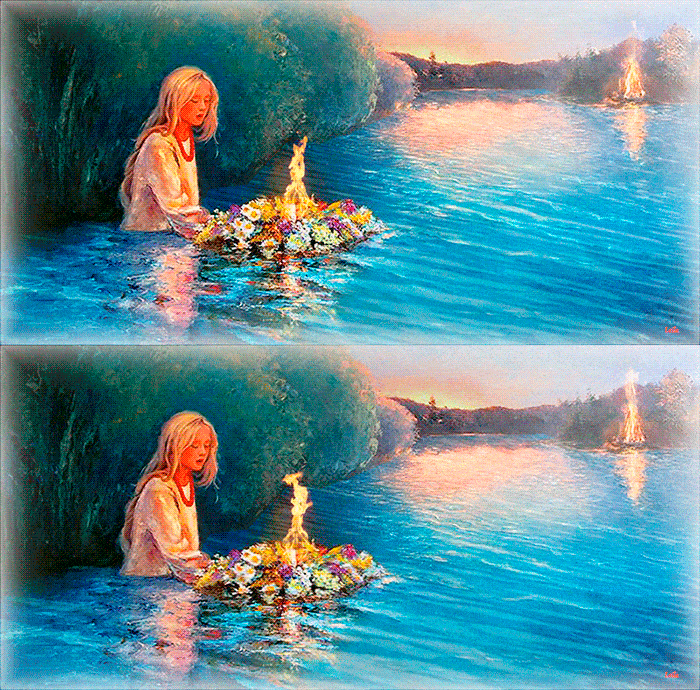

The summer solstice, known also as midsummer, will be celebrated on 20 June. It marks both the longest day and the shortest night of the year and is technically the official start of summer. It’s also one of Europe’s most celebrated and magical evenings, associated with St. John the Baptist but also with Pagan rituals.

We are blessed at this time with early dawns, long days, late sunsets…But how different cultures celebrate this beautiful moment? Magic Roots made a little tour of Europe to see what are the beautiful traditions related to this important moment.

Fertility rituals, bonfires, flowers, fairies, unicorns, and boat races… these are just a few examples of symbols used in these times across the world. Isn’t this just magical?!
Belgium: Le Grand feu de Bouge, Namur
A tradition held all across Wallonia actually, the great fire is lit on the summer solstice. A custom that has barely changed over the years. Anything and everything that burns gets collected from the houses, thrown together on a hill in Bouge overlooking the city. The fire gets started when Bonhomme Hiver arrives, accompanied by a brass band, and carried by a group of men dressed in red masks. Once lit, six similar flames go up on the six adjoining hills. It’s even said that those who witnessed the Grand Feu de Bouge are protected against dark magic and bad luck year-round. VIDEO

France: finding a love match in midsummer
Traditions for Fete de la St-Jean (24 June) and the summer solstice bond and are celebrated by French across the country. French are keen on these celebrations and festivities in every region have their own particularities. One of the most traditional rites is for young unmarried people to jump over the bonfire if they wanted to find their soul mate before the end of the year!

Germany: Sommersonnenwende
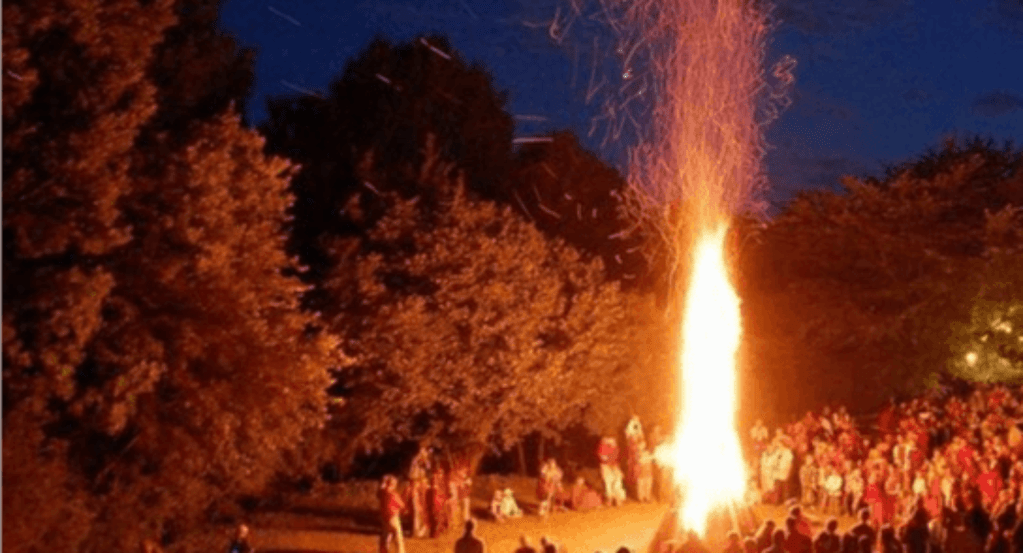
In Germany too, huge fires are lit on St. John’s Eve, around which people dance. The custom goes right back to the 12th century. According to popular belief, it frightens off the evil spirits that cause illness and harm livestock and averts storms. Iwan-Kupala-Nacht Magische Mittsommernacht in German
Romania: opening the skies for Sanziene
In Romania, it is believed the skies are opening and Sanzienele (beautiful, magical creatures) float in the air or walk on earth, singing and dancing, sharing fruit to the cornfields; bringing married women fertility, breeding animals and birds, cure the sick and protect crops from hail.
UK: pagan rituals at Stonehenge
Every year, on the summer solstice, thousands of people travel to Stonehenge—a mysterious prehistoric monument. Given the UK’s pagan past, festivities focused on fairies, unicorns, and other suitably mystical creatures.
Spain: Las Hogueras de San Juan
Las Hogueras de San Juan is one of the country’s most popular festivals, kept in Alicante. Usually 6 days in June, people reunite and rejoice in celebrating summer with different types of customs, including loud fireworks, parades, and bonfires.
Portugal : Festa de Santos Populares
In Porto but also in other regions across the country, the night of 23/24 June when St. John is celebrated has a special meaning. Enormously vivid celebrations, during which the people take to the streets eating, drinking, and having fun in the old neighborhoods, that are bedecked with arches, colourful balloons, and the aroma of sweet basil.
Sweden: strawberries & girls’ dreaming to get married

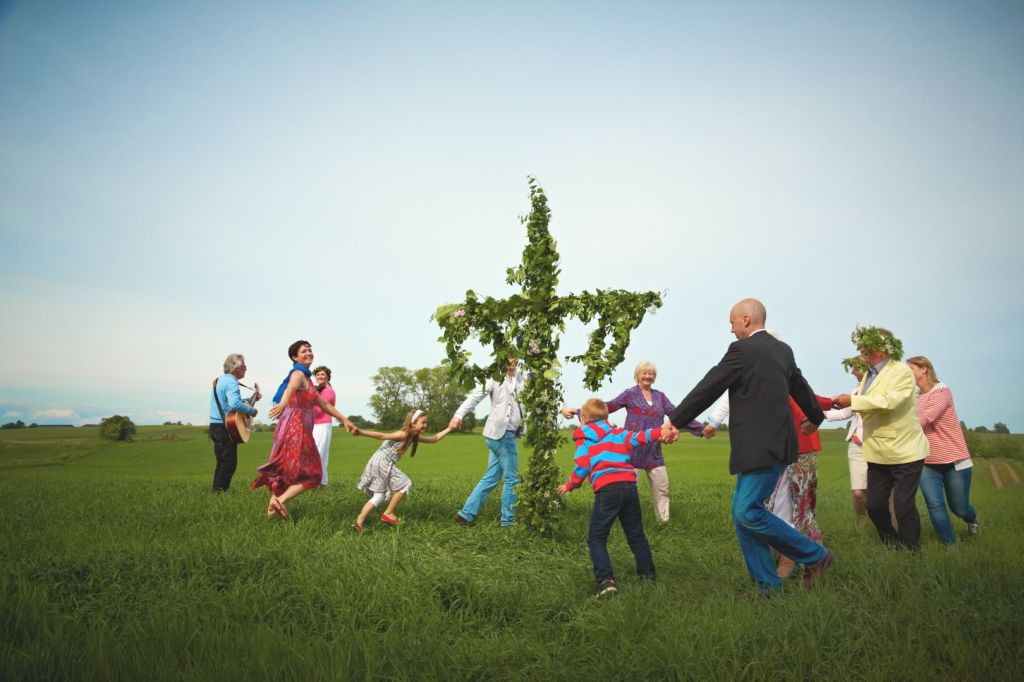
In Sweden, people traditionally celebrated the beginning of summer by eating the first strawberries of the season. Traditional foods such as pickled herring, salmon, and potatoes are enjoyed by flower-wreath-wearing revelers and maypole. Folk dances – such as the Små grodorna – take center stage. It’s even said that if unmarried girls place seven flowers under their pillow on midsummer, they’ll dream of their future husband. Source
Latvia: plants are sprinkled with magic
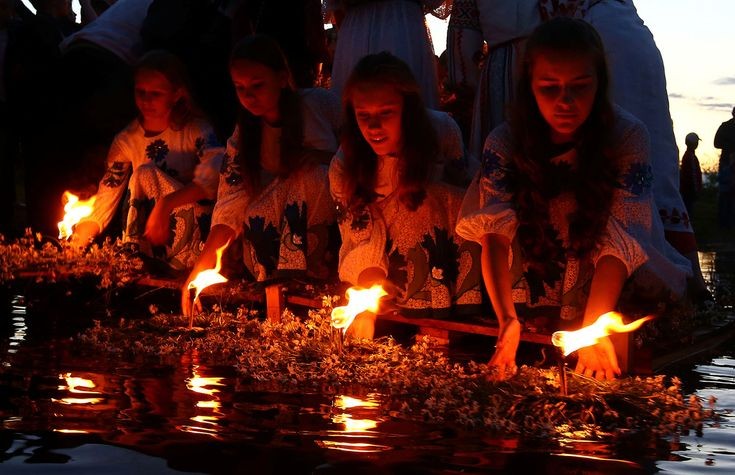
In Latvia, wildflowers picked on the summer solstice are believed to have healing powers. In honor of Jāņi, homes are decorated with birch, oak and rowan branches, ferns, oxeye daisies, and bents. Nettles and thistles can be attached to the door-frame to keep evil spirits out. Women weave wildflower wreaths to decorate themselves. Source
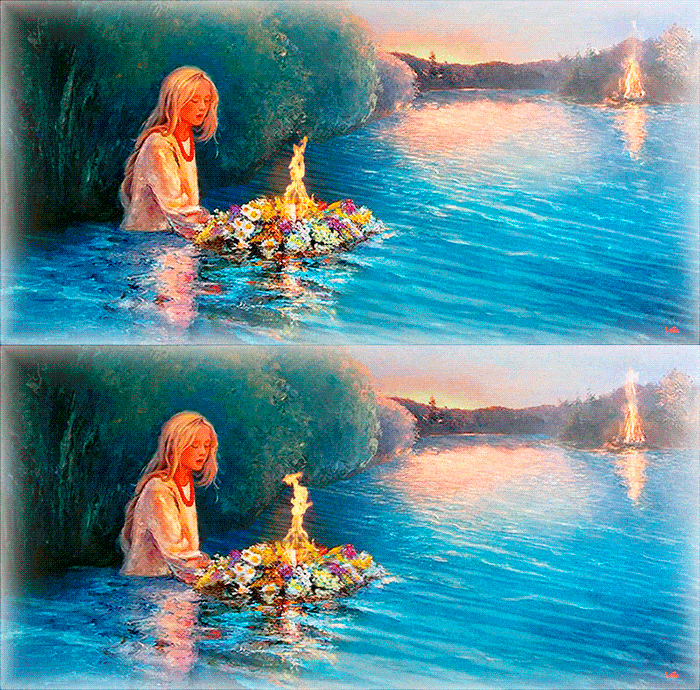
Kupala Night, (Belarusian: Купалле, Polish: Noc Kupały, Russian: Иван-Купала, Ukrainian: Івана Купала), also called Ivanа-Kupala, is a traditional Slavic holiday that was originally celebrated on the shortest night of the year, which is on 21-22 or 23-24 of June (Czech Republic, Poland and Slovakia) and in Eastern Slavic countries according to traditional Julian calendar on the night between 6 to 7 July (Belarus, Russia and Ukraine).
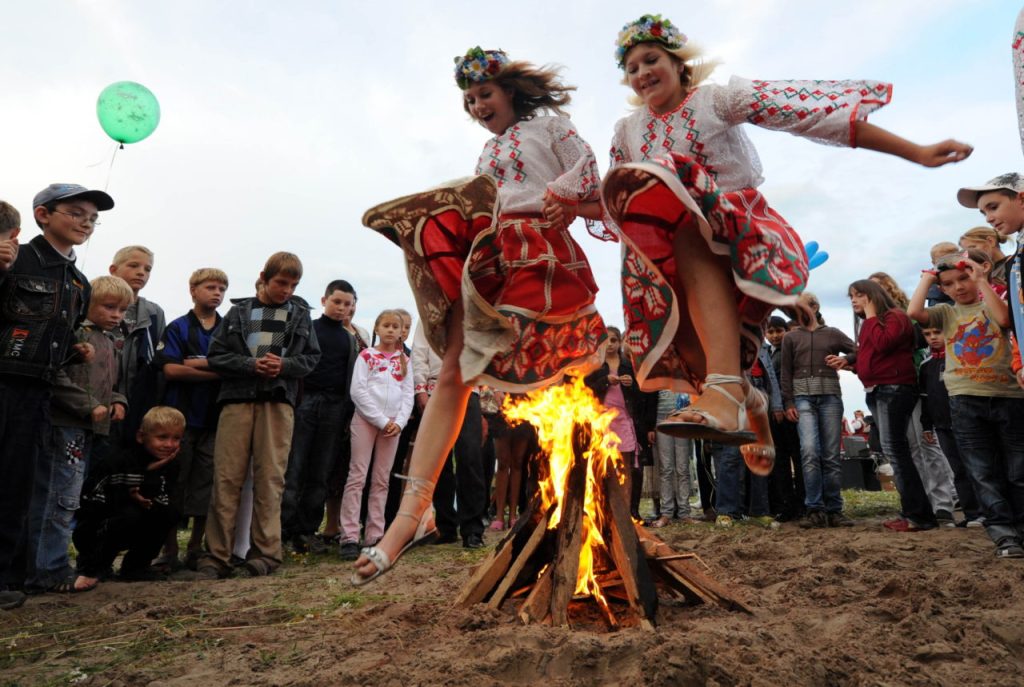

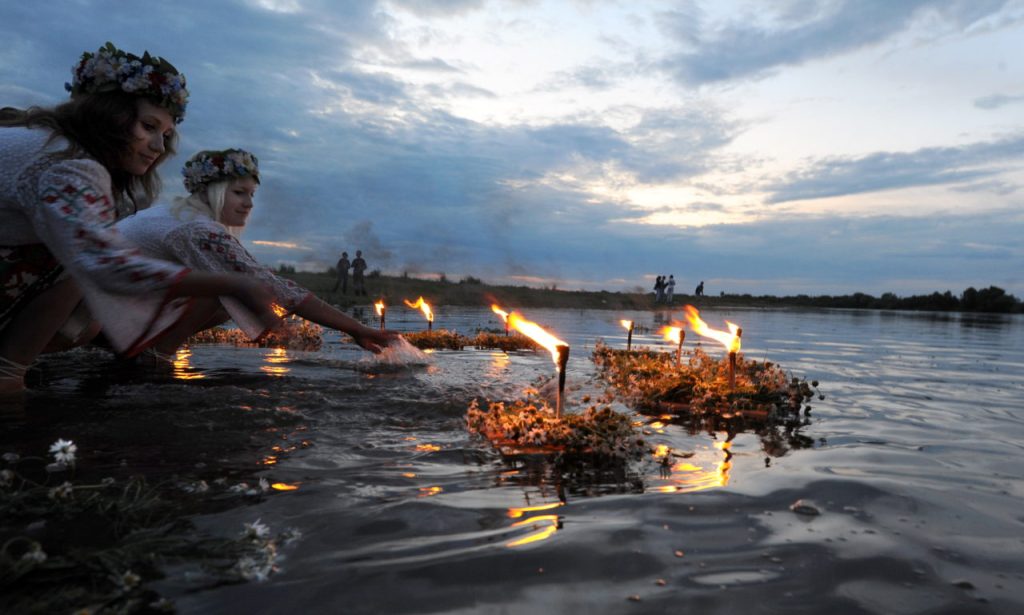
Calendar-wise, it is opposite to the winter holiday Koliada. The celebration relates to the summer solstice when nights are the shortest and includes a number of Slavic rituals.

Share this:

Categories: Ethnic traditions



 Michael Walsh Stories and Books
Reblogged this on MICHAEL WALSH QUALITY BOOKS.
LikeLike