
But I Salute the Doctors
My tribute’s for the doctors,
Who fix the broken hearts,
When doctors are for living,
Who needs a dying art?

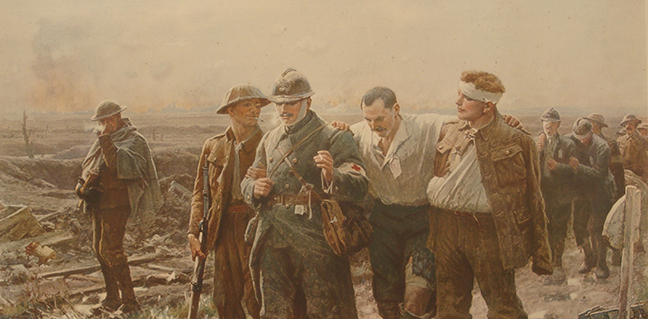
My tribute’s for the doctors,
Who fix the broken hearts,
When doctors are for living,
Who needs a dying art?

On November 11, 1918, the Compiègne Agreement was signed in northern France, which ended the First World War (1914 – 1918), or, as it was then called, the Great War. For that time, it was the most massive and bloody military conflict of all the previous 15 thousand conflicts known: 38 states, having mobilized 68 million people, fought for economic dominance and territory for more than four years.

How did a squadron of U.S. bombers change the rules of the sea which was to cost the lives of tens of thousands of Allied seamen? Few things illustrate the half-lie better than Allied propaganda relating to the Laconia Order. This was Hitler’s instruction that forbade German shipping from picking up distressed survivors at sea.
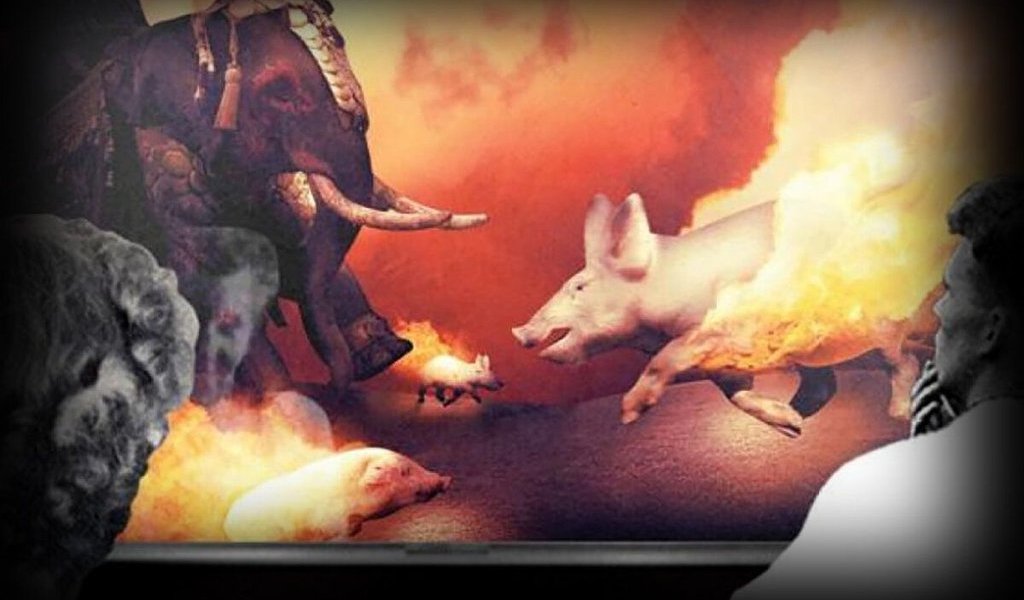
The armed forces have used animals in their armed conflicts since ancient times. Horses and dogs come to mind first. Horses were exploited in all wars, up to the middle of the 20th century. During World War II, the Soviet cavalry almost attacked the tanks of the Reich’s armed forces.

GENOCIDE claimed the lives of 170 million martyrs during the 20th Century. The Soviet Union, Peoples Republic of China, the United States, and the United Kingdom are confirmed responsible for 164 million victims of genocide.’ ~ Source: R. J. Rummel, Power, Genocide and Mass Murder, Journal of Peace Research 31 (No. 1 1994).

The post comes to us nightly, we hail the post with glee –
For now we’re not as many as once we used to be:
For some have done their fighting, packed up and gone away,
And many lads are sleeping – no sound will break their sleeping;
Brave lusty comrades sleeping in their little homes of clay. ~ Irish poet Patrick MacGill.

I make no apologies for spurning the pomp and pageantry that bull-horns its way through Remembrance Sunday held at thousands of cenotaphs. There is much about war that knows no political or national boundaries. War is a monument to human frailty and duplicity, profiteering, individual acts of heroism and stupidity, but not strength.
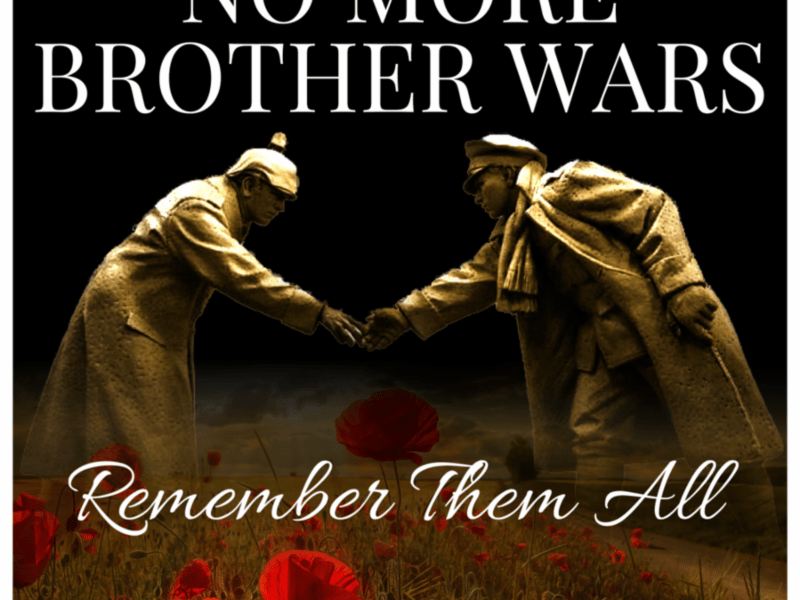
On November 7th, 1920, in strictest secrecy, four unidentified British bodies were exhumed from temporary battlefield cemeteries at Ypres, Arras, the Asine and the Somme. None of the soldiers who did the digging was told why.

Born in 1929, Belgian national Jean Schramme had little need to travel to the Congo Republic. As manager of a vast estate in the Belgian Congo, Schramme was already a Congo national during the Congo Crisis (1960 – 1965). The setting to his contribution was the scene of the unrest following the breakaway of mineral-rich Katanga and Kasai Provinces.



 Michael Walsh Stories and Books
Recent Comments