
We’re all in this together but not quite
With breath-taking insensitivity the locked-down bankrupt and unemployed peoples of Britain learn that a new royal yacht named after Prince Philip is to be commissioned within weeks, costing as much as £200m.

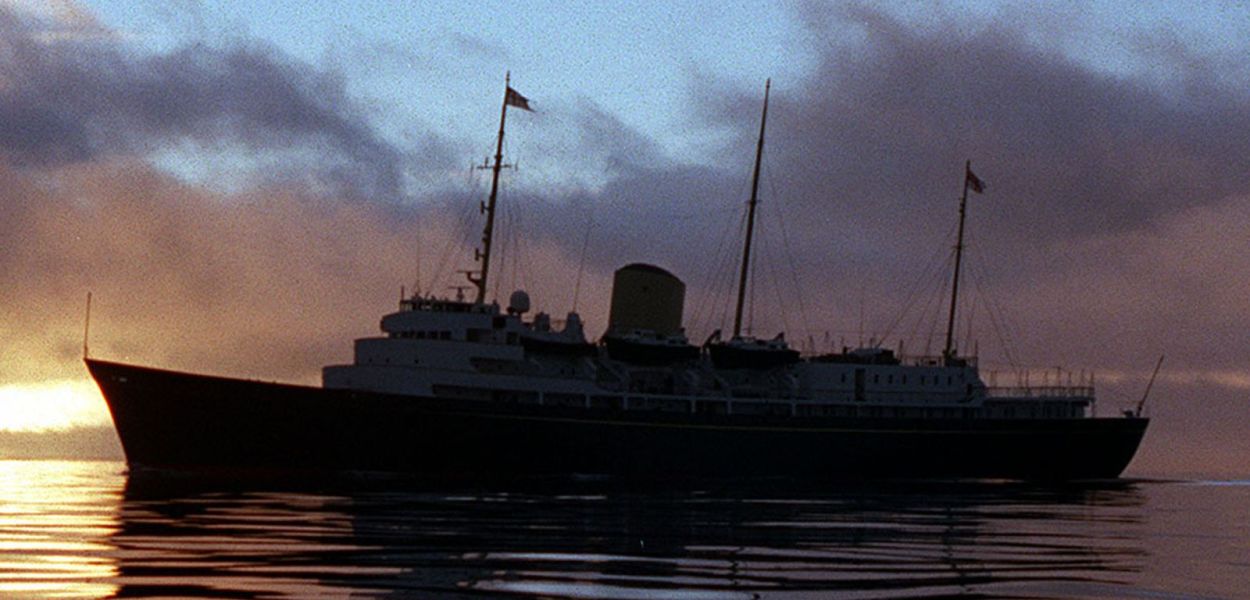
With breath-taking insensitivity the locked-down bankrupt and unemployed peoples of Britain learn that a new royal yacht named after Prince Philip is to be commissioned within weeks, costing as much as £200m.

His real name was Frank Rocky Fiegel. He was born in 1868 in Poland. A retired sailor he was contracted by Wiebusch’s tavern in the city of Chester, Illinois, to clean the town’s lawlessness and maintain order. Rocky Fiegel was notorious for his belligerent attitude and firmly believed that everything could be sorted out with his fists.

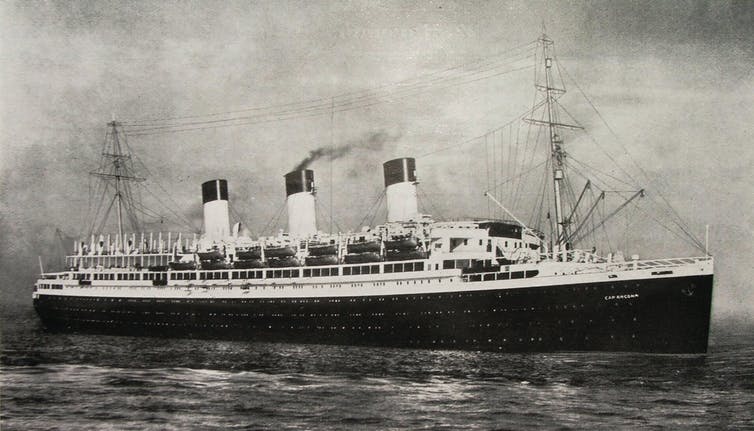
The French Line’s Normandie is one of few contenders for the title Greatest Liner Ever. She was a ship of superlatives: the largest ship in the world for five years, the first liner to exceed 1,000 feet in length; to exceed 80,000 tons; the largest turbo-electric powered liner; and the first to make a 30 knot Atlantic crossing.

Care to step aboard the RMS Titanic? What seemed like an impossibility is slowly becoming a reality. Vintage Digital Revival and Four Funnels Entertainment have recreated the interior of the stricken vessel in immaculate detail. It’s part of their long-gestating ‘Titanic: Honor and Glory’ video game project.
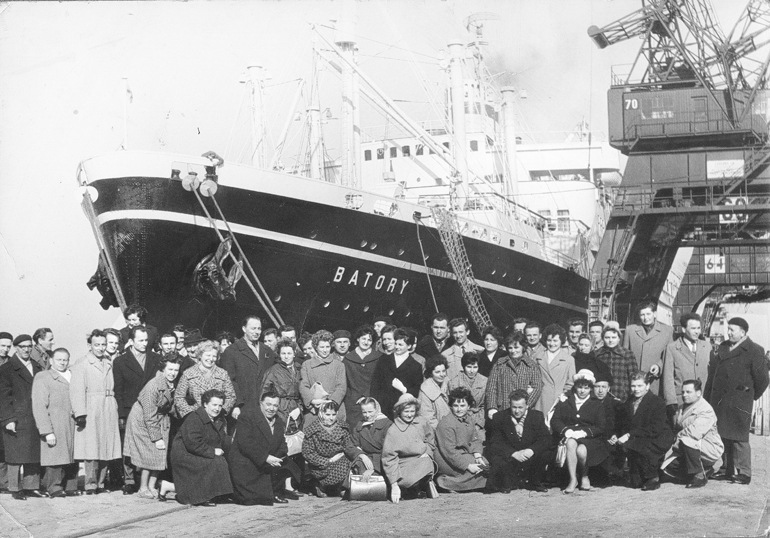
For 36 years a contender for the most interesting oceangoing liner sailed the high seas. Bożena Aksamit writing her account of the Polish trans-Atlantic liner, says, ‘It was the pride of the Second Republic, a piece of living art, and the only floating representative of free Poland during World War II.’

Perhaps the most sorrowful part of the entire Titanic saga is hearing the survivor’s personal stories. It can be heart-wrenching to listen to their recollections. How they ended up on the luxury ocean-liner in the first place and how they dodged death on the night of April 14, 1912. Over 1,500 passengers perished in the ocean and only about 700 passengers, officers and ratings were saved.
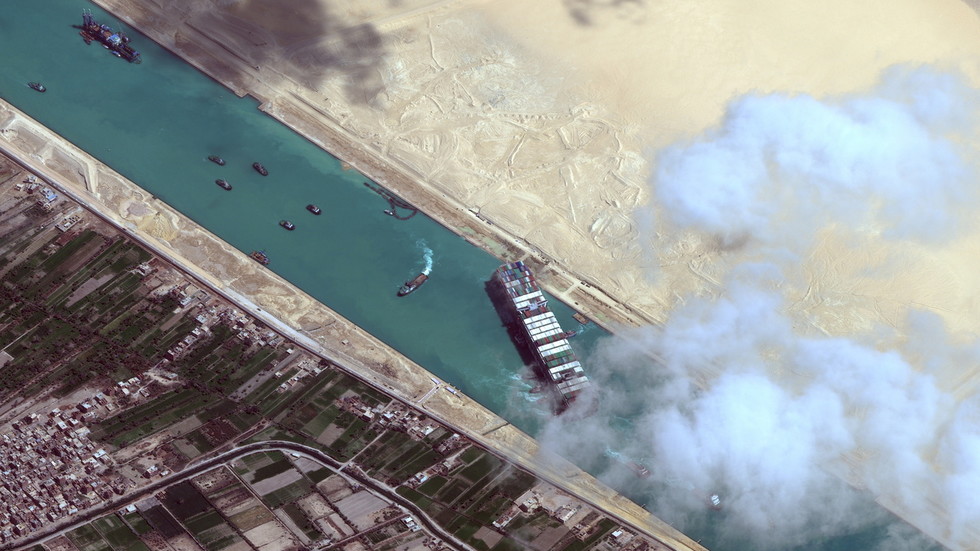
The Suez Canal has provided a link as important as the jugular vein to the world of commerce since 1858. Its importance has dramatically diminished since a container carrying vessel buried its bows in the canal’s banks and constipated the seaway’s traffic.
On May 2, 1945, the German Armed Forces – not the government had capitulated, overwhelmed by the combined forces of the Soviet Union, British Empire and industrial-military might of the United States.
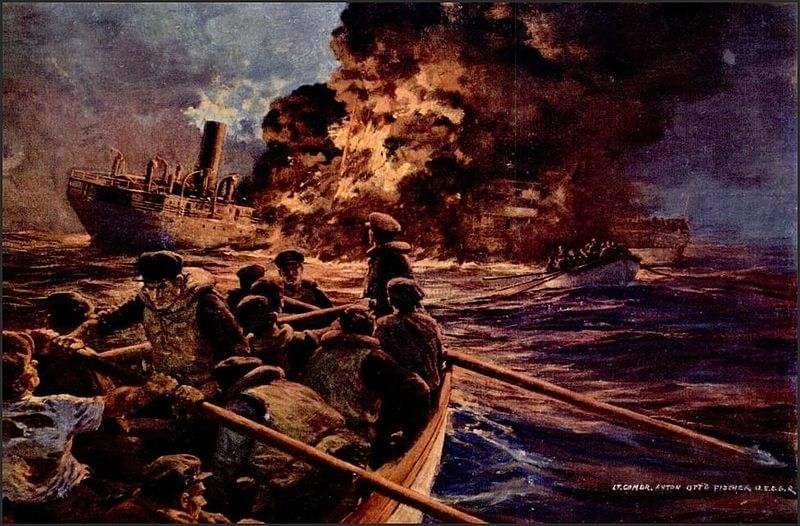
The British Merchant Navy freighter Fiscus, 4,815 tonnes and built by W. H. Seager & Co. loaded a cargo of steel ingots, lumber and a deck cargo of crated aircraft parts in Canada and sailed from Three Rivers to Sydney, Cape Breton in Nova Scotia. There she joined up with the 35 ships making up Convoy SC-7, which left Sydney, Canada on October 5, 1940.

A seaman who fell overboard from a supply ship in the vast Pacific Ocean at 4 am spent more than 14 hours clinging to an old fishing buoy before being rescued. Alone in the middle of the world’s greatest ocean, and without a lifejacket, at first dawn he chose to swim towards a black speck he spotted on the horizon. It was a decision that would ultimately save his life.



 Michael Walsh Stories and Books
Recent Comments