
Allach porcelain collectors are aware of Heinrich Hoffmann’s photograph taken in Obersalzberg on April 20, 1944, in which Heinrich Himmler presents Allach figures to Adolf Hitler for his 55th birthday. This is one of the most “quoted” photographs when it comes to the Allach factory. And here’s the first question I want to ask: “How many figurines are on the table?”
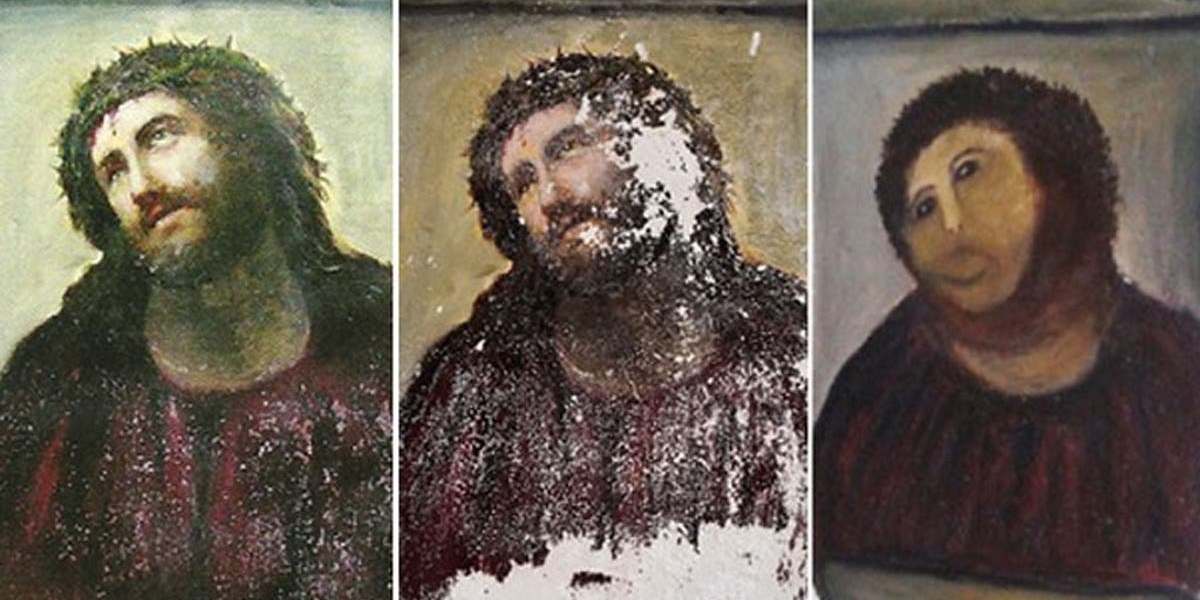
Time can be a complete menace to works of art. Dust, mold, mildew, dirt and even the varnish originally used on a painting can become thick and dark over the years, eventually obscuring or even completely hiding from view the original work.
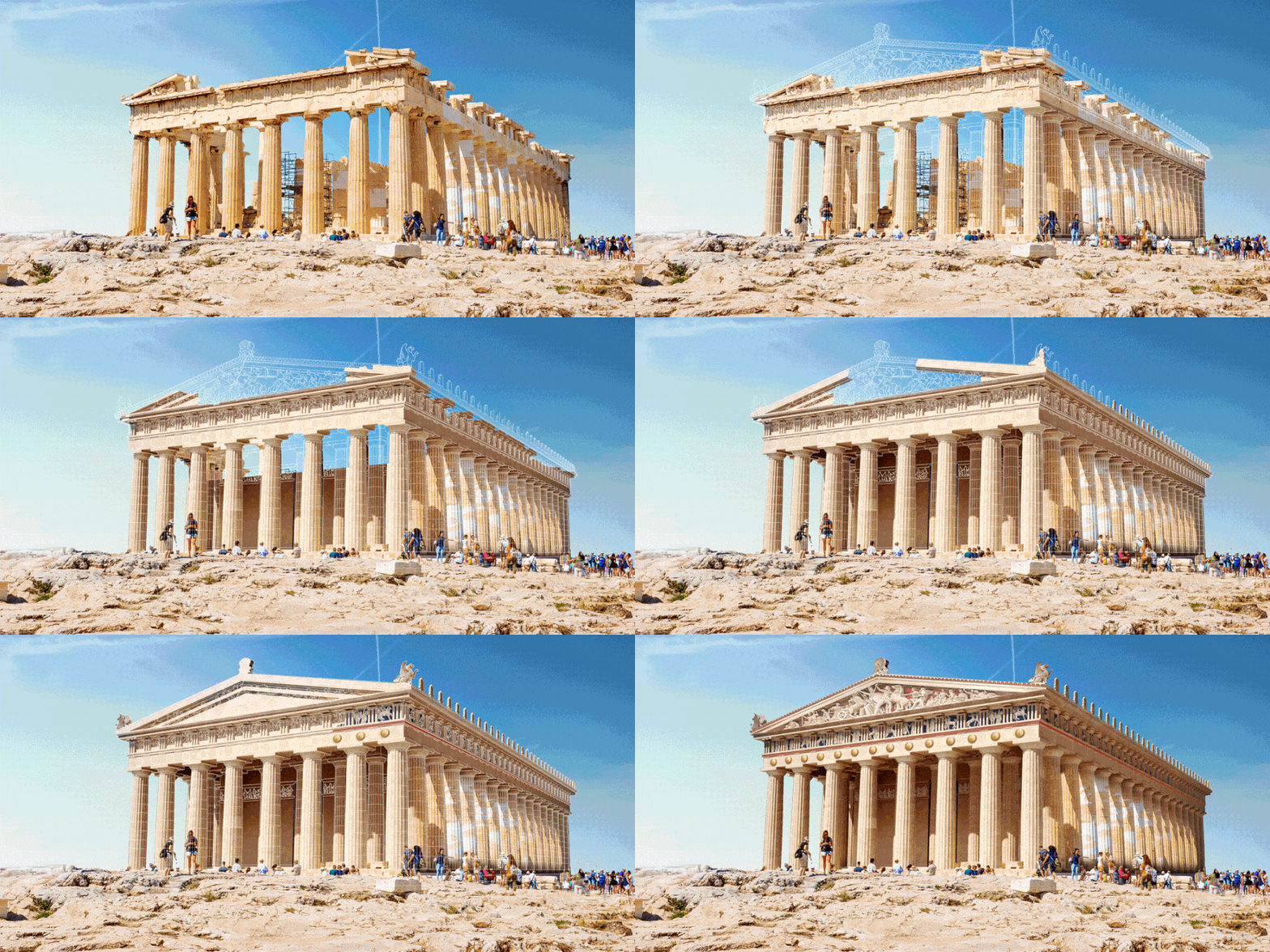
Even in their ruined formed, the glory of the Parthenon in Greece and the Luxor Temple in Egypt draw myriad tourists every year. However, it can be hard to imagine what these buildings looked like in their dazzling original forms. That’s why Expedia recently showed off these GIFs that revitalize ancient ruins to their former glory.

Culture and art in the German Third Reich achieved an unprecedented and incomparable level of perfection. Porcelain of the Third Reich includes ceramics inspired and created by craftsmen of a standard that are unlikely to be experienced ever again.

You’ll be able to dine with Jon Hamm, Audrey Hepburn, Jimmy Fallon and more this weekend.
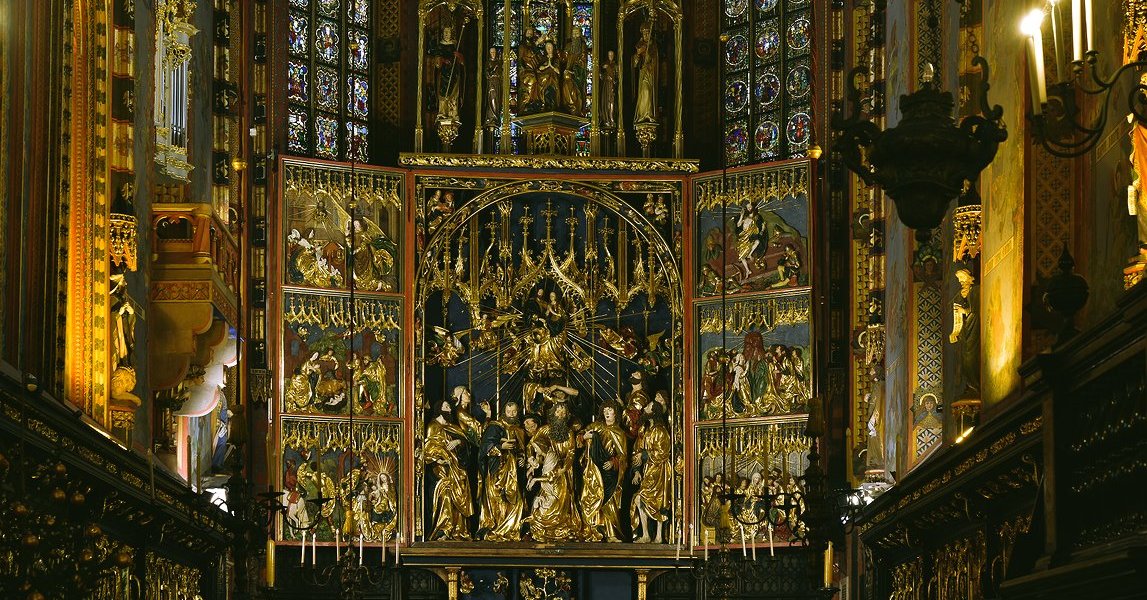
The five-year-long conservation of one of the most important Gothic relics in Poland has been completed.

Carnival, or the “Fifth Season,” is in full swing in Germany. From Thursday, costumed revelers will be crowding the streets to celebrate parades and never-ending parties. Here is our guide to carnival and its greetings.
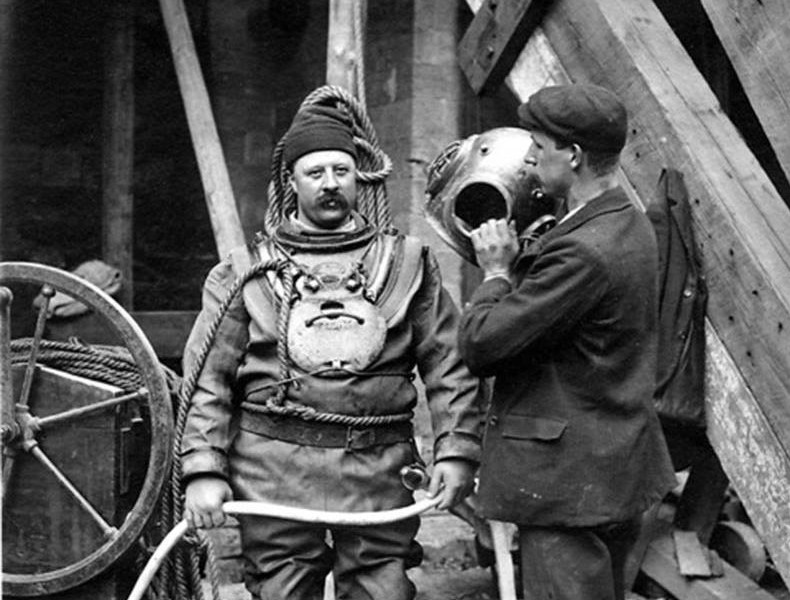
More than a century ago, Winchester Cathedral, which is one of the largest cathedrals in Europe and the longest of all Gothic cathedrals, was saved by the heroic work of a diver, who worked tirelessly to reinforce the foundations of this historic structure, and thus preserve one of the largest and most iconic buildings in all of England.

Tattooist Jason Stieva has been creating assemblage art for almost 20 years, extending his creativity beyond the flesh and into three-dimensional space. For the past nine years, he’s been working on his Gothic Times series, which began when he acquired a portion of an old clockmakers estate. Mixing cases and mechanisms with other found materials, his sculptures are wildly surreal and filled with detail.
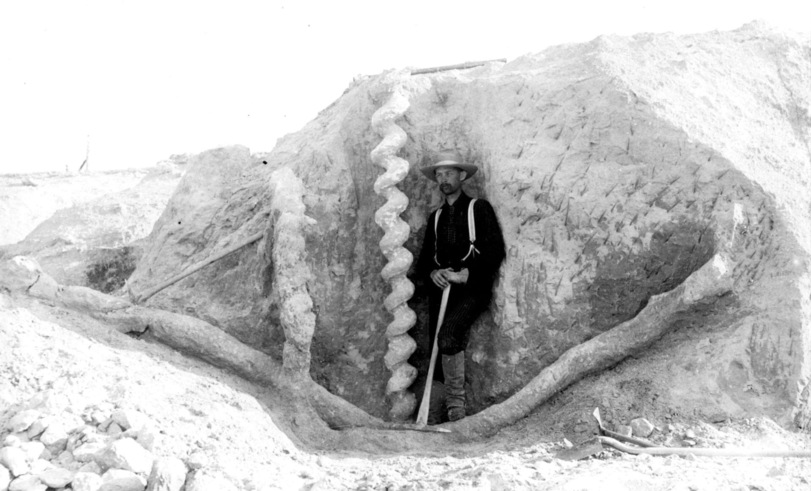
In 1891, when geologist Erwin H. Barbour was conducting an expedition in the poorlands near White River, Nebraska, locals drew his attention to unusual fossils. They were sand-filled spiral tubes up to 3 meters long with walls of white fibrous material. Such fossils were found in an area that at the time was considered the bottom of a dried-up ancient lake.





 Michael Walsh Stories and Books
Recent Comments