
It’s good that the UK Government has pardoned thousands of Army deserters who enlisted in the British armed forces during World War II. These include 7,000 British-born Irish volunteers. Of course, no army can allow desertion.
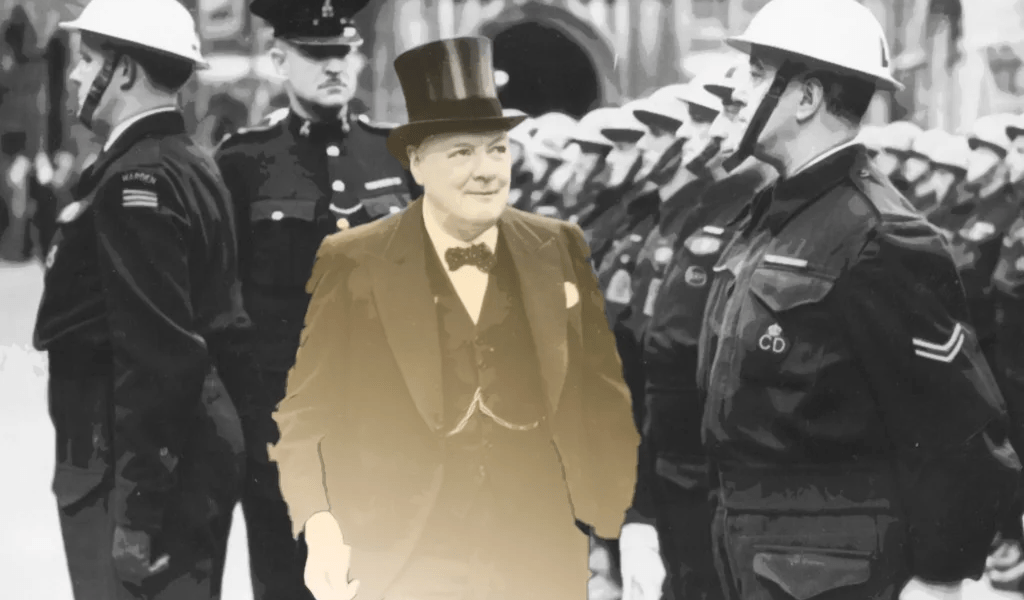
There is one good saying that perfectly characterises the attitude of Britain towards its allies: ‘Britain has no permanent enemies and permanent friends, it has only constant interests.’

Trivial incidents of wars are often more important than the unfolding chain of events. For example:
“This raid on the night of May 11 1940, although in itself trivial, was an epoch-marking event since it was the first deliberate breach of the fundamental rule of civilised warfare that hostilities must only be waged against the enemy combatant forces.”

A WWII veteran has told the story of how he was a goalkeeper in the Sunday football league at Auschwitz. Ron Jones, 94, played in football matches organised by the camp administrators at the labour complex. The pensioner played in goal for the Welsh team in the games against other British prisoners of war.
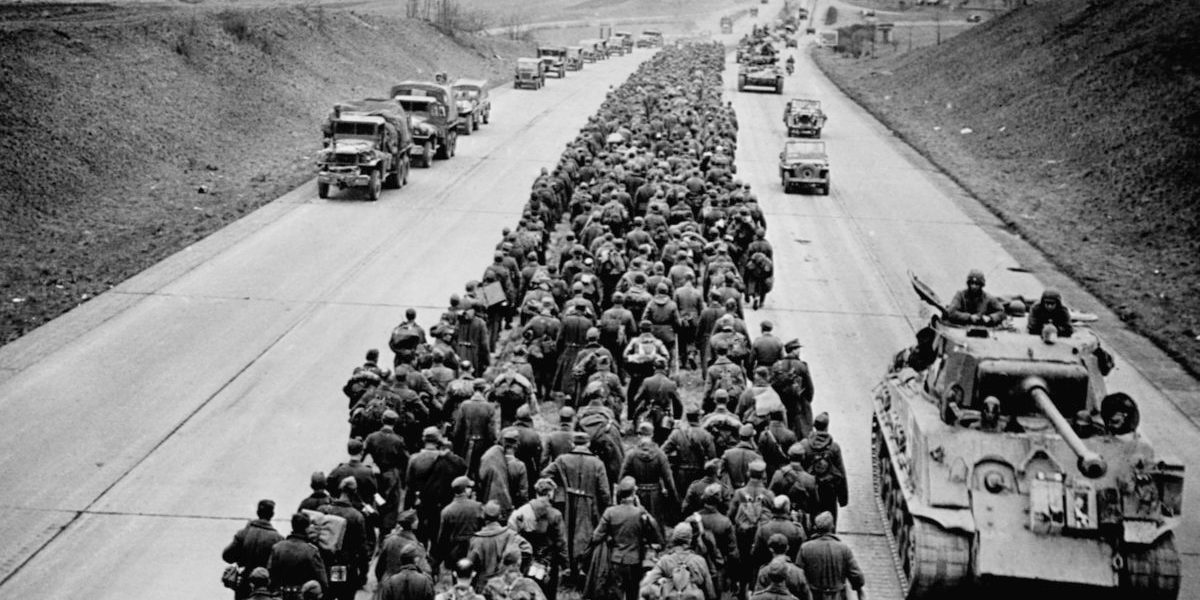
Three years after the end of World War II tens of thousands of German prisoners of war were still being detained in post-war Britain. In March 1946, angry that the government had not announced when they could be repatriated, the Labour MP Richard Stokes said the Germans were entitled to know their expected date of release.

By the end of April 1945, the defending armies of the German Workers Reich were on the point of being overwhelmed. Hopelessly outnumbered by the armed forces of three non-European empires, the last battles were fought in Berlin and the Baltic States.

In 1945, British troops in Germany collaborated with the Red Army in rounding up civilians and afterwards machine-gunning men, women and children in groups. Many British soldiers testified that they heard the rattle of machine-guns nearby just a few moments after the prisoners were handed over to units of the Red Army.
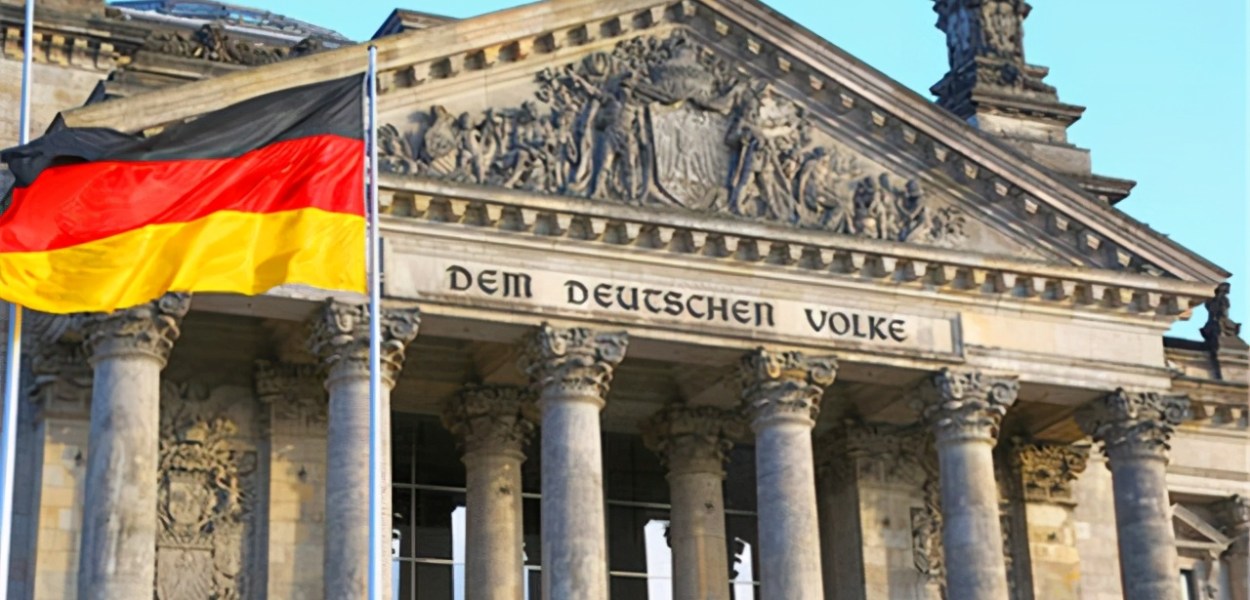
May 8 marks the 76th anniversary of the capitulation of the armed forces of the German Reich. However, the date does not mark the surrender of the legitimate elected Government earlier headed by the twice-elected President-Chancellor Adolf Hitler (1989-1945).

THE THIRD REICH’S architectural triumphs, Olympic events and trade exhibitions, were extravagantly adorned by the most stunning sculptures. These splendours have since been destroyed and their records airbrushed out of the history books by the victors of World War II.
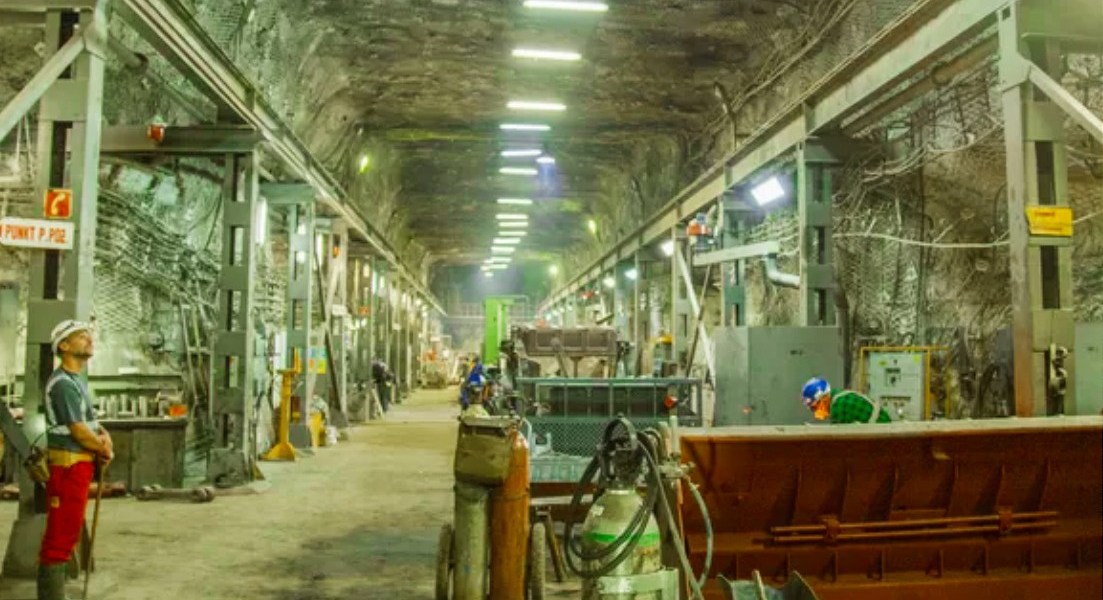
One of Poland’s silver mines is producing so much so silver that it has reached the very top of the ‘largest silver mines in the world’ from the World Silver Survey 2021 ranking.





 Michael Walsh Stories and Books
Recent Comments