Tag: National holiday

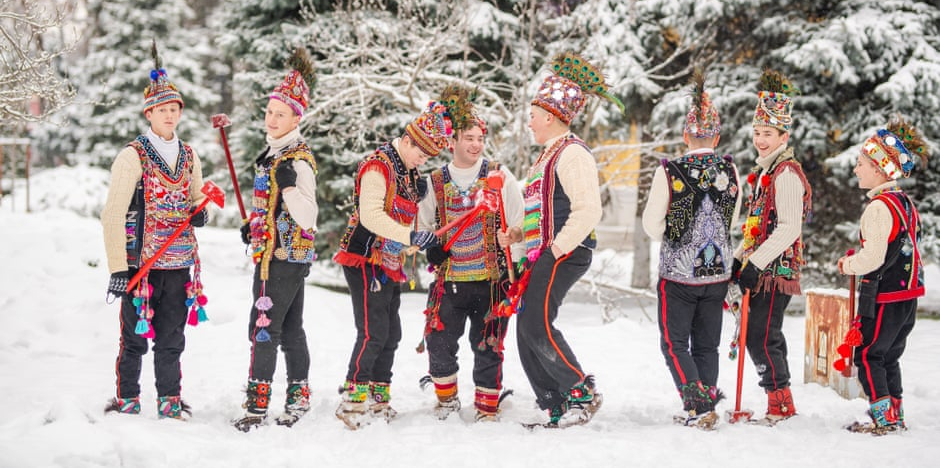
Kurentovanje. A Carnival to Banish Winter

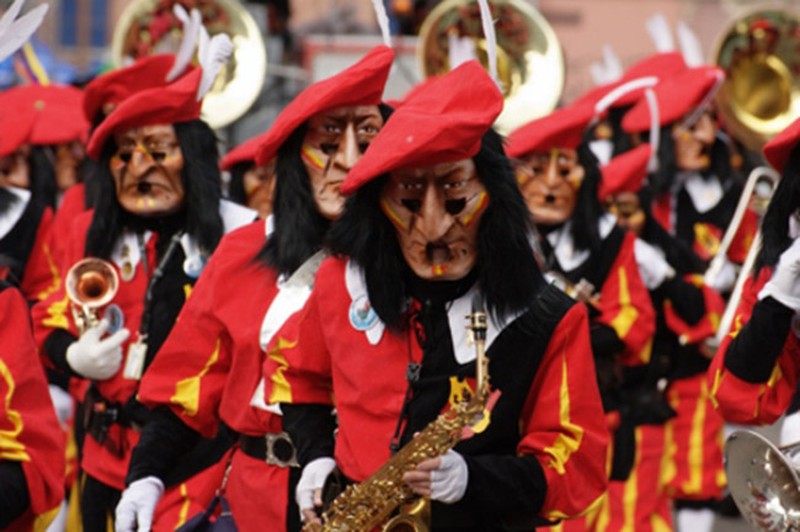
Kurentovanje is a Slovenian meat-and-mouth folk ritual in honour of spring and fertility, which is a carnival to banish winter. An analogue of Maslenitsa. The origins of Kurentovanje are doubtful, but it is likely associated with Slavic paganism. Typical dances from the month of March take place in […]

BASEL CARNIVAL 2021

Basel Carnival is part of the city’s identity culturally speaking, it is at the heart of its creative energies and represents three days when the city goes wild. Owing to its uniqueness and quality, it has been added to the UNESCO intangible cultural heritage list. In 2021, the Carnival in Basel (Fasnacht) will not take place as usual and will be a little different from the major event that we know and love. More information

Valentine’s Day: unusual facts about this holiday

Traditions, records and extraordinary ‘valentines.’
The oldest valentine in the world.
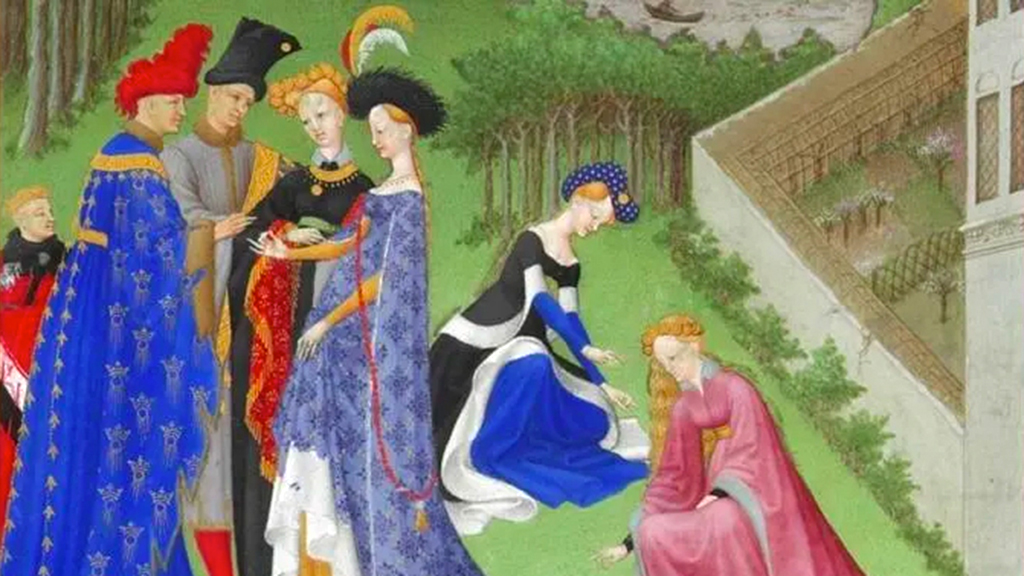
There is a legend that the very first Valentine card in the world was written by Saint Valentine before his execution. But the officially registered love note, dated February 14, 1415, belongs to the Charles, Duke of Orléans, who wrote love letters to his wife while he was in the Tower of London. This Valentine is now kept in the British Museum.

Alaaf! Carnival in Cologne

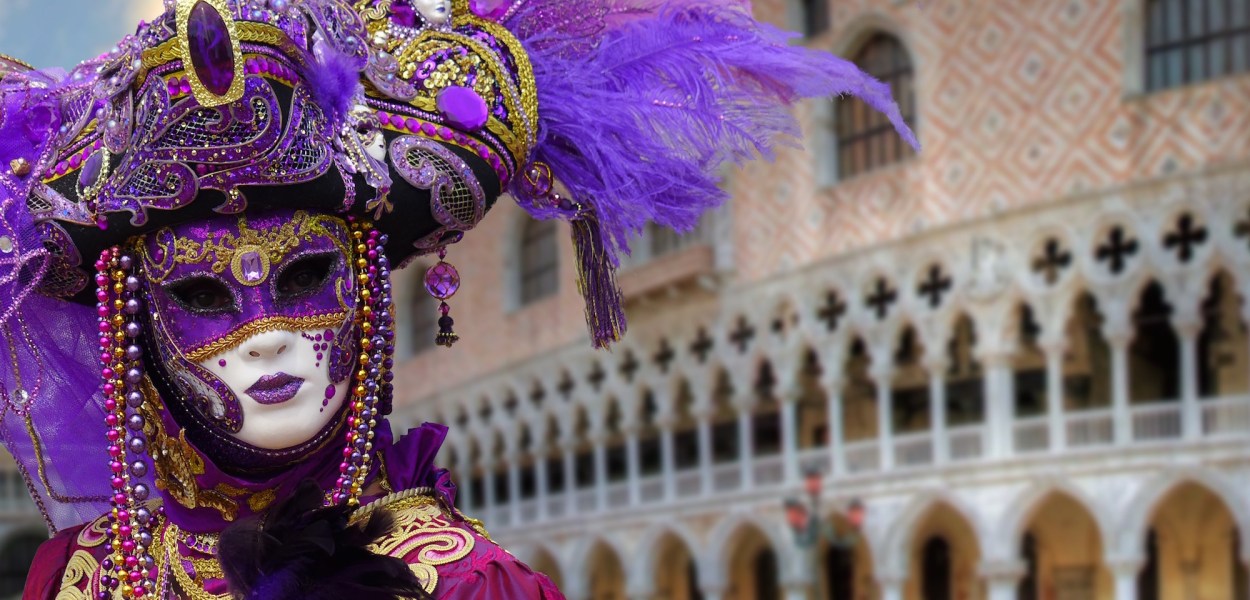
Carnival in Cologne is almost as old as the history of the city itself. But it has been celebrated in the organized fashion we know today for only about 190 years. The Greeks and the Romans celebrated joyous spring festivals in honor of Dionysus and Saturn with wine, women and song. The ancient Germans celebrated the winter solstice in order to pay homage to the gods and drive out the evil demons of winter. In later times, the Christians adopted these heathen customs. Lent, the period of fasting before Easter, was ushered in by carnival (carne vale = Farewell to meat!).

The Last Waltz for Europe

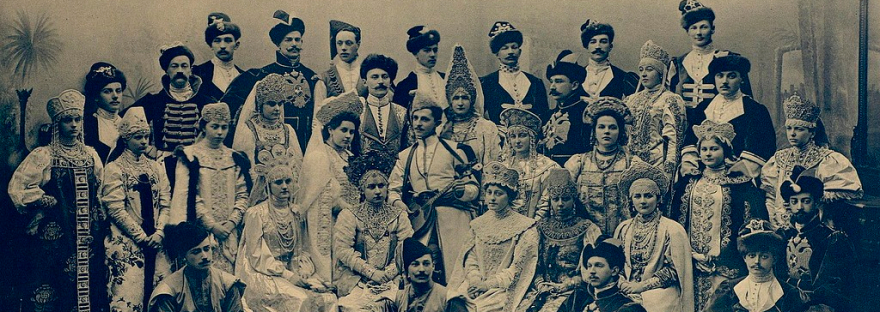
It was the last waltz for Europe and the last dance for humanity. Had one of Europe’s oldest, most successful and popular royal houses not been destroyed and consumed by New York-based banking houses the world would likely have been a far better place today.

The popular folk dance – Schuhplattler

The Schuhplattler is a traditional style of folk dance popular in the regions of Bavaria and Tyrol (southern Germany, Austria and the German-speaking regions of northern Italy). In this dance, the performers stomp, clap and strike the soles of their shoes (Schuhe), thighs and knees with their hands held flat (platt). There are more than 150 basic Schuhplattlers, as well as marches and acrobatic feats that are often interspersed with the basic dance in performance. They may be seen today in Europe and in German immigrant communities around the world. While the Schuhplattler is still largely performed by adults, it has become increasingly popular with youngsters, who love its colorful costumes and its bouncing, leaping, kicking and choreographed horseplay.


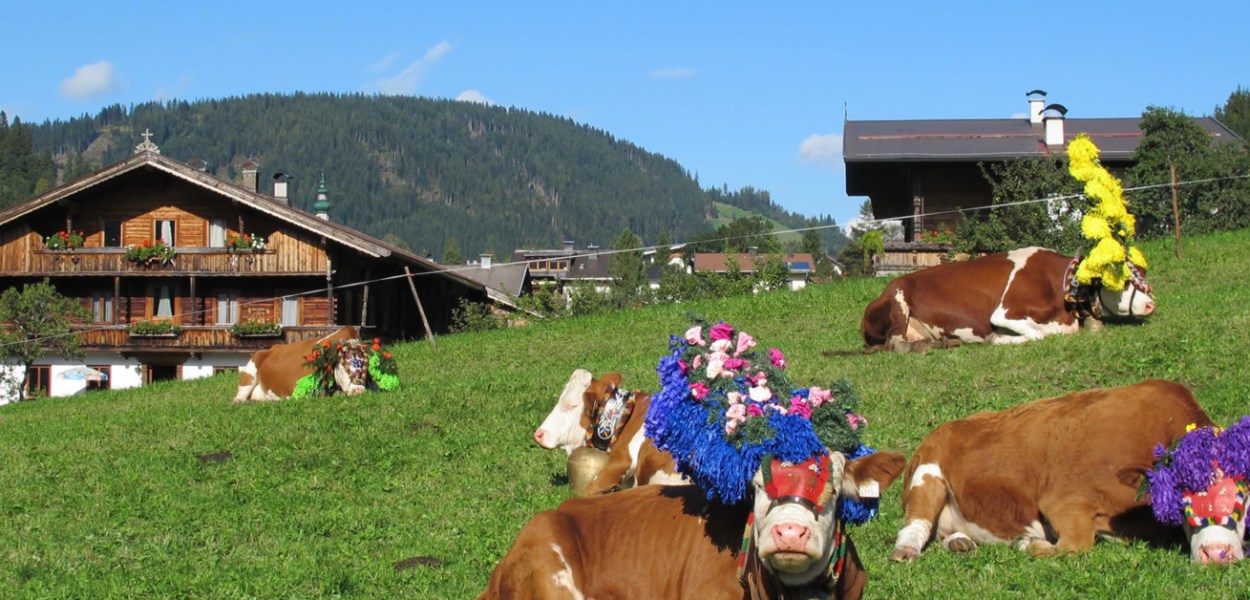
How do you survive in the mountain villages of the Alps? Two regions give an answer: by cultivating traditions.

Home in the Alps – How mountain villages keep their tradition | Stories and Discoveries.
Here you can learn much about the daily life of the villages located high in the Alps – How to graze cows in the pasture, how to collect and store chestnuts, store cheese, bake homemade bread, harvest crops, celebrate national holidays. Old people pass on their invaluable experience to the younger generations.