
Life’s little pleasures: a mini history of the doll’s house
What of the origins of doll’s houses? Where does the interest come from – for our children to love to play with them, for so many adults to love to collect exquisite miniatures like this?


What of the origins of doll’s houses? Where does the interest come from – for our children to love to play with them, for so many adults to love to collect exquisite miniatures like this?
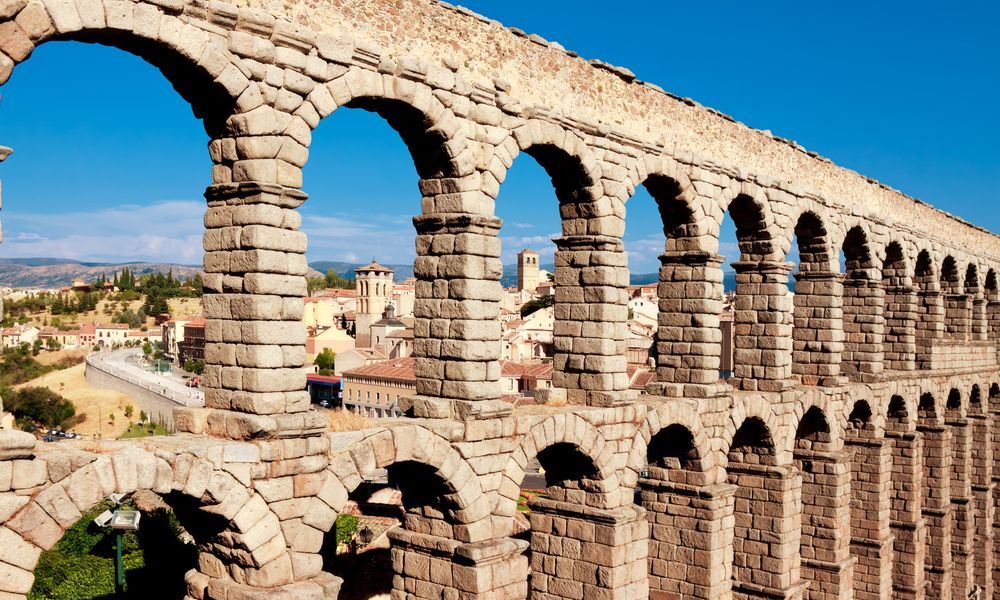
The aqueduct of Segovia is a classic example of Roman water transport architecture—simple in design, yet magnificent to behold, and surprisingly durable. The aqueduct was built in the 1st century AD to convey water from Frío River, 17 km away, to the city, and it has been carrying out this function in one form or another for the past 2,000 years. This is all the more impressive when you realize that this aqueduct was built without a single ounce of mortar.

Sublime Dreams of Living Machines. Part III. The Silver Swan is an automaton dating from the 18th Century and is housed in the Bowes Museum, Barnard Castle, Teesdale, County Durham, England.

Sublime Dreams of Living Machines. Part II. “Without the duck of Vaucanson, there would be nothing to remind us of the glory of France.” – VOLTAIRE

Sublime Dreams of Living Machines. Part I. Not so long ago, a short video of a truly uncanny dulcimer-playing wind-up automaton made for Marie Antoinette in 1784 appeared online. The queen was no stranger to extravagance, we know, but why this machine, this wonderful human-like machine, which must have taxed the greatest artisans and mechanics of her time? What was its appeal?

Founded in 1970, the award-winning Weald & Downland Living Museum is a leading museum of historic buildings in England, covering 40 acres in the South Downs National Park in West Sussex. It includes over 50 historic buildings dating from 950AD to the nineteenth centuries, re-erected from their original sites in south east England, together with period gardens, traditional farm animals and a mill pond.
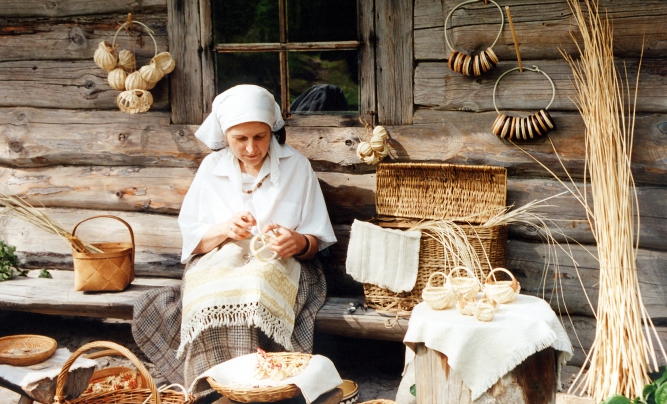
Just a half hour’s drive from Riga’s center, nestled in a pine forest, one of Europe’s oldest and largest outdoor museums can be found alongside the shore of Lake Jugla. It is called the Ethnographic Open-Air Museum of Latvia.



 Michael Walsh Stories and Books
Recent Comments