
Tag: mechanism

The Marvellous Christmas Tradition of Poland’s Szopki

One of Kraków’s most unique and singular Christmas traditions is the popular creation of ‘Christmas cribs’ or ‘szopki.’ While many churches across the country display elaborate nativity scenes during the holiday season, ‘szopki krakowskie’ (as the local variety are called) are so idiosyncratic to Kraków, that they were just added to the UNESCO Intangible Cultural Heritage List. Something of a strange cross between a nativity scene, gingerbread house and garish dollhouse, szopki krakowskie are the bizarre result of a slowly evolving folk tradition that dates back to the Middle Ages.
Vertep

Vertepny theater is a Christmas performance by means of a puppet show, sometimes also with the participation of human actors. It was distributed mainly on the territory of Poland, Ukraine, Belarus, in some regions of Russia. A nativity scene in this case is also called Vertep is a special box in which a puppet show is shown.

Probošt’s mechanical Christmas crib

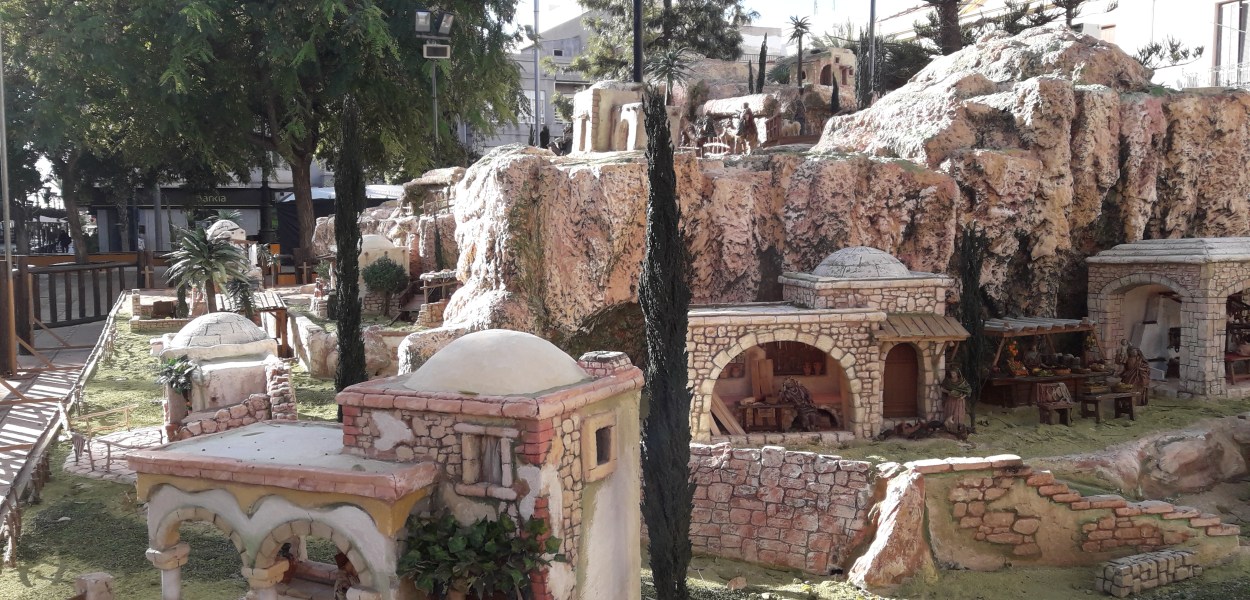
Probošt’s mechanical Christmas crib, also known as Bethlehem of Třebechovice or Probošt’s Nativity Scene of Třebechovice, is a wooden mechanical nativity scene that was made by Josef Probošt (1849–1926), Josef Kapucián (1841–1908) and Josef Friml (1861–1946).

Nativity scene

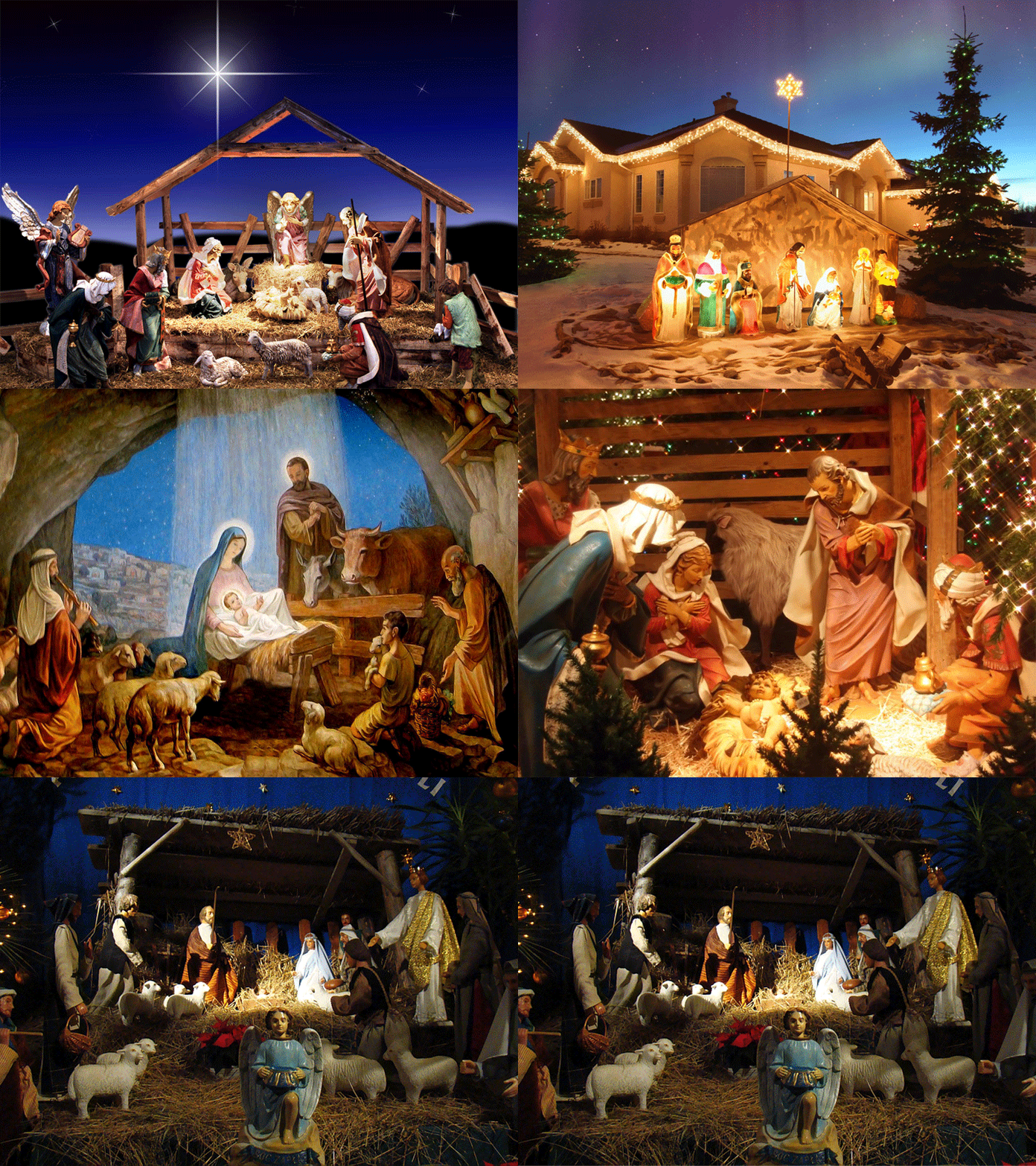
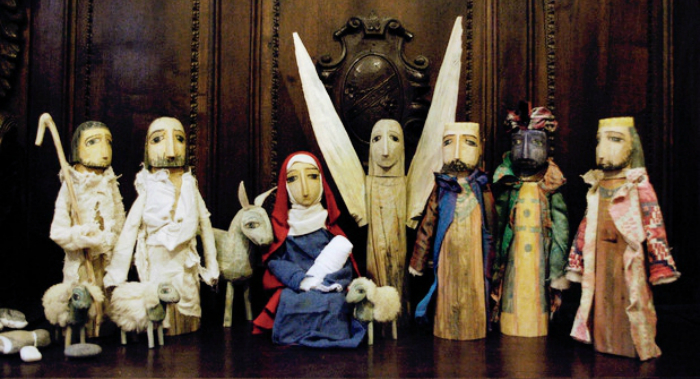
In the Christian tradition, a nativity scene (also known as a manger scene, crib, crèche (/krɛʃ/or /kreɪʃ/), or in Italian presepio or presepe) is the special exhibition, particularly during the Christmas season, of art objects representing the birth of Jesus. While the term “nativity scene” may be used of any representation of the very common subject of the Nativity of Jesus in art, it has a more specialized sense referring to seasonal displays, either using model figures in a setting or reenactments called “living nativity scenes” (tableau vivant) in which real humans and animals participate. Nativity scenes exhibit figures representing the infant Jesus, his mother, Mary, and her husband, Joseph.

Fabulous artworks in the Kunstkammer Wien

From the late Middle Ages to the Baroque, Habsburg emperors and archdukes collected exotic and uncommon materials, to which they often ascribed magical powers, such as precious stones, ostrich eggs, coral and shark’s teeth, which were considered to be dragon’s tongues. From these natural products, artists created virtuoso works of art.

Virtual walks through the world’s finest museums.

Due to the coronavirus pandemic, the topic of travel is temporarily closed for most of the inhabitants of the Earth. Fortunately, we can still go on virtual walks in stunning locations. Why not take a stroll through the halls of the world’s best museums that have created an interactive version of their exhibits? Let’s go on excursions to visit the best cultural treasures of different countries and people.