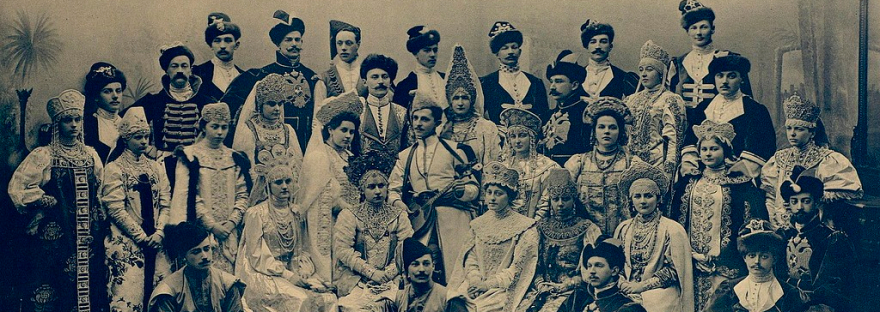
It was the last waltz for Europe and the last dance for humanity. Had one of Europe’s oldest, most successful and popular royal houses not been destroyed and consumed by New York-based banking houses the world would likely have been a far better place today.

On January 19 (January 6, old style) Eastern Christians celebrate the Baptism of the Lord, or Epiphany. Baptism, like Easter, is considered the oldest holiday in Christian culture. This day is associated with the gospel event – the baptism of Jesus Christ by John the Baptist in the Jordan River. Here you can read about the history, meaning and traditions of the holiday.

The list includes a tsar’s house and a wooden skyscraper.

Have you ever relaxed as your ears breathed in the dreamiest piano music imaginable? The John Field (1782~1837) experience is to enjoy the most sensual massage by the world’s most gifted masseur.

Koliada or koleda is an ancientpre-Christian Slavic and Baltic winter festival. It was later incorporated into Christmas.
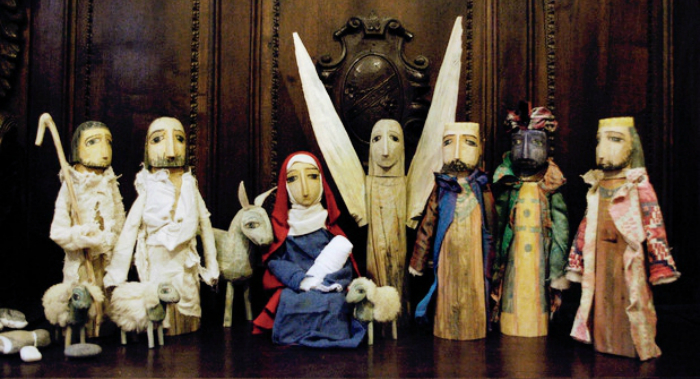
Vertepny theater is a Christmas performance by means of a puppet show, sometimes also with the participation of human actors. It was distributed mainly on the territory of Poland, Ukraine, Belarus, in some regions of Russia. A nativity scene in this case is also called Vertep is a special box in which a puppet show is shown.

As a guest at a medieval manse, I recall my bravado when late at night I was invited to enter the unsealed wooden door of a forbidding garret. My hosts stood well back as cautiously I opened the door to peer into a blackness. Other than the darkness I couldn’t see anything but was aware of what I describe tersely as a hideous malevolent entity inviting me to enter. Slamming the garret door shut I fearfully retreated.
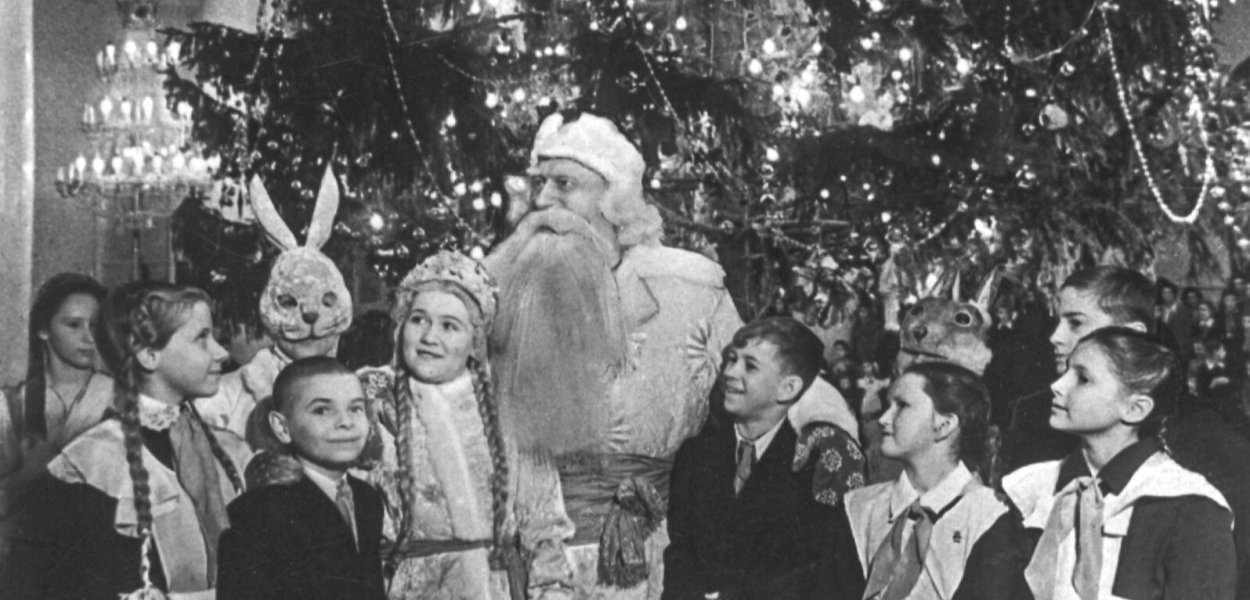
HISTORY REPEATS ITSELF as throughout much of the European Union (EU) Christmas and New Year, under the guise of Covid-19 lockdowns Christmas and New Year 2020 are banned. People may not gather to celebrate Christmas mass, attend Church services in numbers, celebrate the New Year. Sections of stores given over to selling children’s toys, tinsel and garlands, tableware for Christmas festivities. Even Christmas-related food stuffs are declared illegal. Nothing makes sense unless one understands the nature of Bolshevism, which is now called Globalism and ‘diversity’.

The opening of the exhibition “Faberge – Jeweler of the Imperial Court” took place on online; the exposition will be available to visitors from November 25 to March 14, 2021.

In the middle ages, many Russian communities, especially in the Novgorod and Pskov regions, believed in building churches as response to calamities raging at that time, most often epidemics. The tradition known as obydennye khramy requires that the church be completed within the course of a single day. These one-day votive churches were built by communal labor and were simple in design and small in size. Construction usually began at night and ended before sunset of the following day. By nightfall, the church had to be consecrated. Made of wood, they stood no more than 40-50 years.





 Michael Walsh Stories and Books
Recent Comments