
Tag: European Union

Be Afraid Be Very Afraid

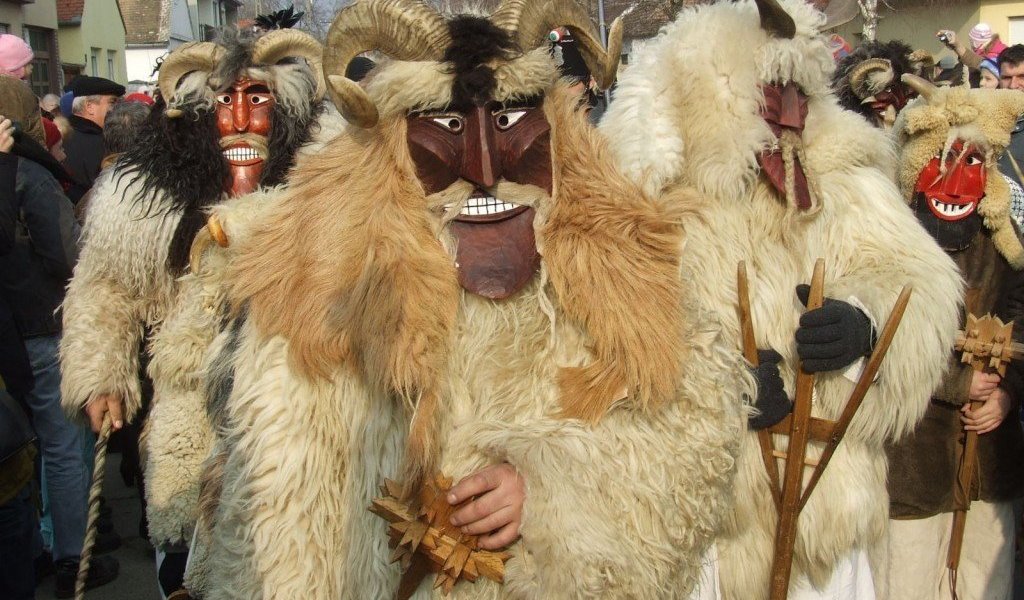
As a guest at a medieval manse, I recall my bravado when late at night I was invited to enter the unsealed wooden door of a forbidding garret. My hosts stood well back as cautiously I opened the door to peer into a blackness. Other than the darkness I couldn’t see anything but was aware of what I describe tersely as a hideous malevolent entity inviting me to enter. Slamming the garret door shut I fearfully retreated.

Dia de Los Reyes Magos (Three Kings’ Day) – January 6

January 6th is a very important holiday in Spain as the entire country celebrates the Epiphany, or Dia de Los Reyes Magos. On the eve of Epiphany (January 5th), every city, town, and village prepares for the arrival of the Three Kings of the Orient by organizing various processions and fiestas, including the famous La Cabalgata de los Reyes Magos, an exciting parade and a cultural experience in its own right.

Has Populism Risen to Power in Romania?

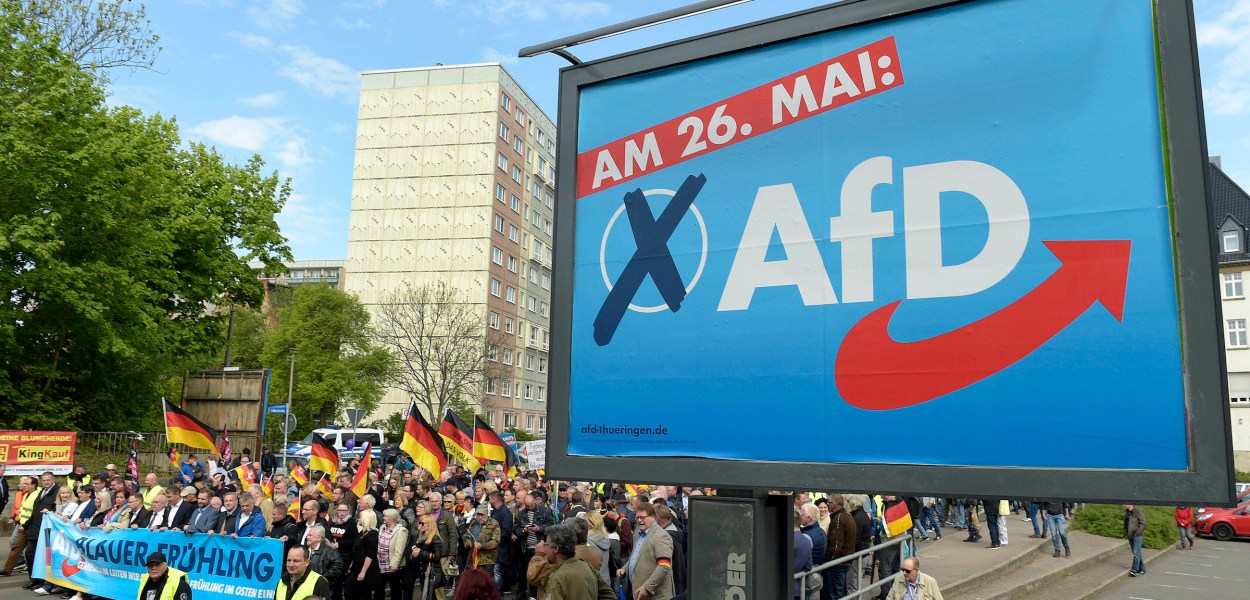
The Alliance for the Unification of the Romanians (AUR): An Inside View: As the after effects of the Romanian Parliamentary Elections, which took place on December 6, 2020, begin to subside, the newest revelation of the Romanian political scene is just preparing to take centre stage.

Probošt’s mechanical Christmas crib

Probošt’s mechanical Christmas crib, also known as Bethlehem of Třebechovice or Probošt’s Nativity Scene of Třebechovice, is a wooden mechanical nativity scene that was made by Josef Probošt (1849–1926), Josef Kapucián (1841–1908) and Josef Friml (1861–1946).

Christmas traditions in Ireland

Wren Day is celebrated on 26 December, St. Stephen’s Day in a number of countries across Europe. The tradition consists of “hunting” a fake wren and putting it on top of a decorated pole. Then the crowds of mummers, or strawboys, celebrate the wren (also pronounced wran) by dressing up in masks, straw suits, and colourful motley clothing. They form music bands and parade through towns and villages. These crowds are sometimes called the wrenboys.

The Poet who Set Europe in Flames

Is history repeating itself and will we, for once, learn from history? In 1792, flames of the revolution lit in Paris had engulfed France. Revolutionary fervour and the fury of the people against the ruling caste reached a crescendo. Foreign forces (gimmigrants) were looming over the borders, threatening to quash those defiant voices. It was at such a time, on a night of gathering storm, that an ordinary soldier penned a song that became the greatest inspiring force of the people’s revolt against a tyrannical government. This is the story of that stirring song, La Marseillaise.