
Migration is not needed for growth or prosperity: Domestic industry in Europe’s most conservative anti-migrant nation expanded by 4 percent in the first quarter of 2021 despite the fact that the automotive industry, which has the highest weight and growth potential in Hungary, fell by 3.6 percent. The overall growth spurt despite the slowdown in automobile production shows that right-wing Hungarian industry has a balanced structure and has several strong points.
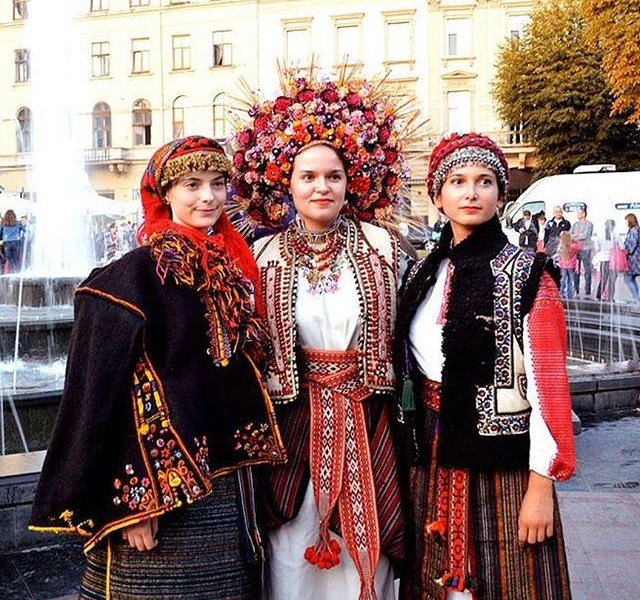
When talking about burnout, the question arises: what about our great-grandmothers? Many women had 8-10 children, there were the household chores far more arduous than today. Then there was the cattle to look after, constant hard work, eternal lack of sleep, drinking often or missing husband and never a chance of vacation on the beach. How did they all not burn out?

The Visegrád Four (V4) countries of Hungary, Poland, the Czech Republic and Slovakia have established a ‘family-friendly coalition’ at a video conference held on Thursday, Hungarian minister without portfolio for family affairs, Katalin Novák said on Thursday.
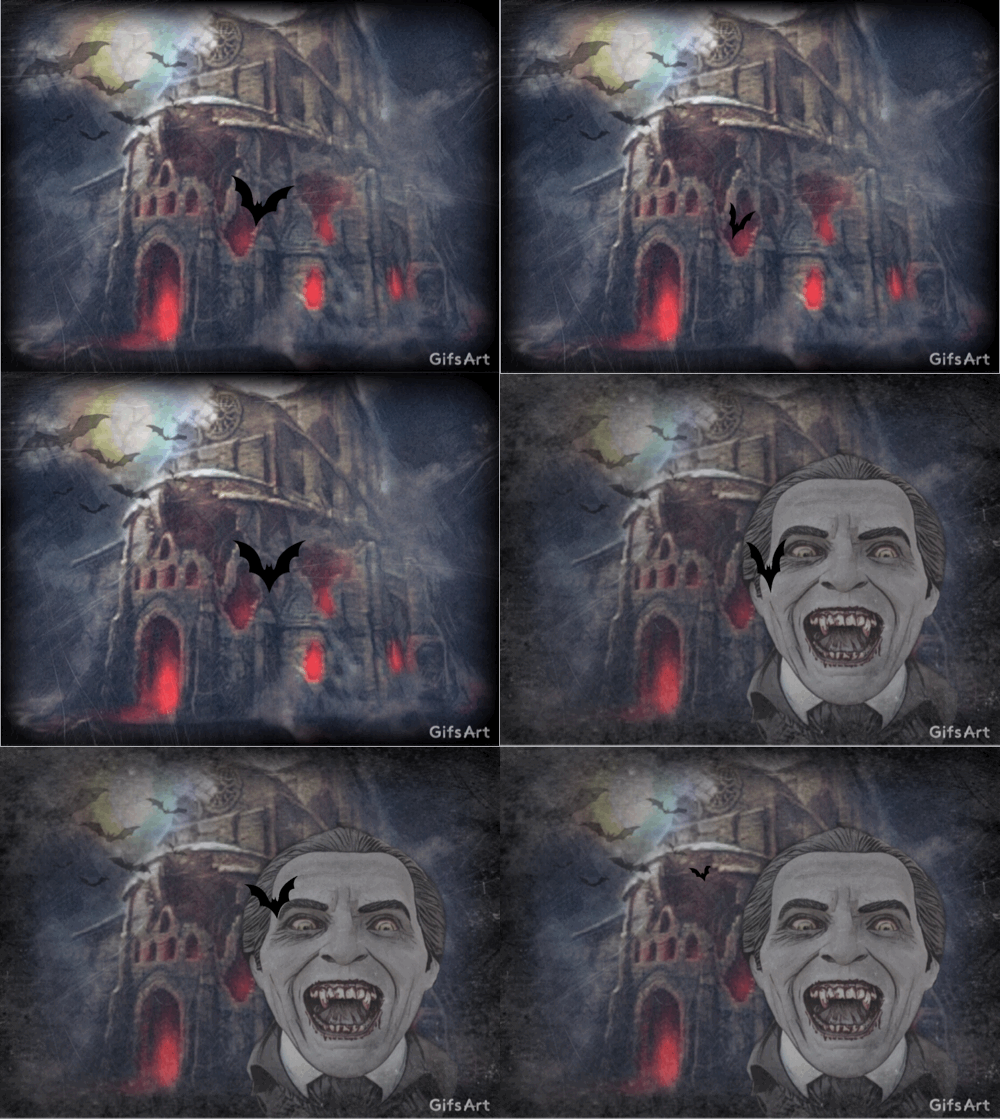
Free admission to the exhibition of medieval torture as a gift, a taste for the macabre: Dracula’s castle in Romania is today the centre of vaccination against coronavirus.
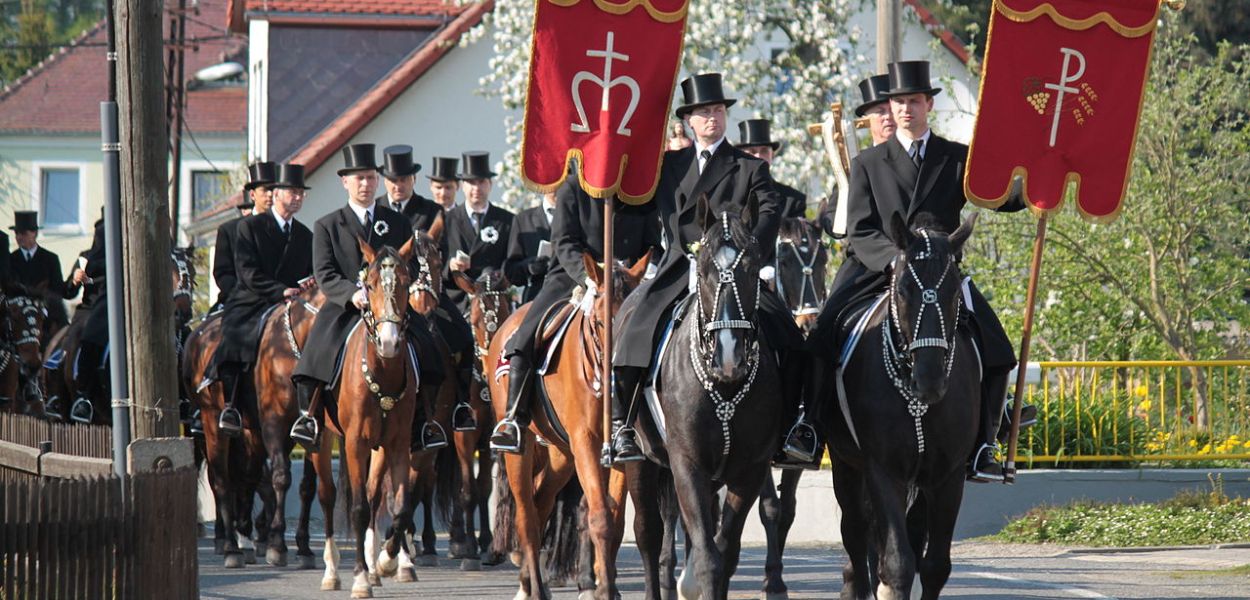
The Osterreiten or Osterritt ( SorbianJutrowne jěchanje ; synonym cross riding ) is an old religious rituals in the form of a procession in which the resurrection of Christ is proclaimed. It is still cultivated as a Sorbian custom in the Catholic part of Upper Lusatia . There are also Easter horseback processions in Old Bavaria and Franconia , in Upper Silesia , North Bohemia and Moravia.

The Hungarian Parliament has rubber-stamped the income tax exemption for all Hungarian employees under 25 years old, seen as a new pillar in the conservative government’s pro-family policies, Minister for Family Affairs Katalin Novák announced on her Facebook page.

Siuda Baba, a person appearing on the Easter Monday in only a few villages in southern Poland, is a great example of how bits of the informations about the old religions and customs were carried on by rural communities over the long centuries and how they survived in a form of local folklore traditions.

The tradition most likely goes back to the 14th century, but it likely also has pre-Christian origins connected to the March equinox and the coming of spring – water being a symbol of life and renewal. Similar traditions can be found all around Central and Eastern Europe, with Поливаний понеділок (Watering Monday) in Ukraine, Oblévačka in Czech, Oblievačka in Slovak and Vízbevető in Hungary. It’s also known as ‘Dyngus Day’ in Polish communities outside Poland.
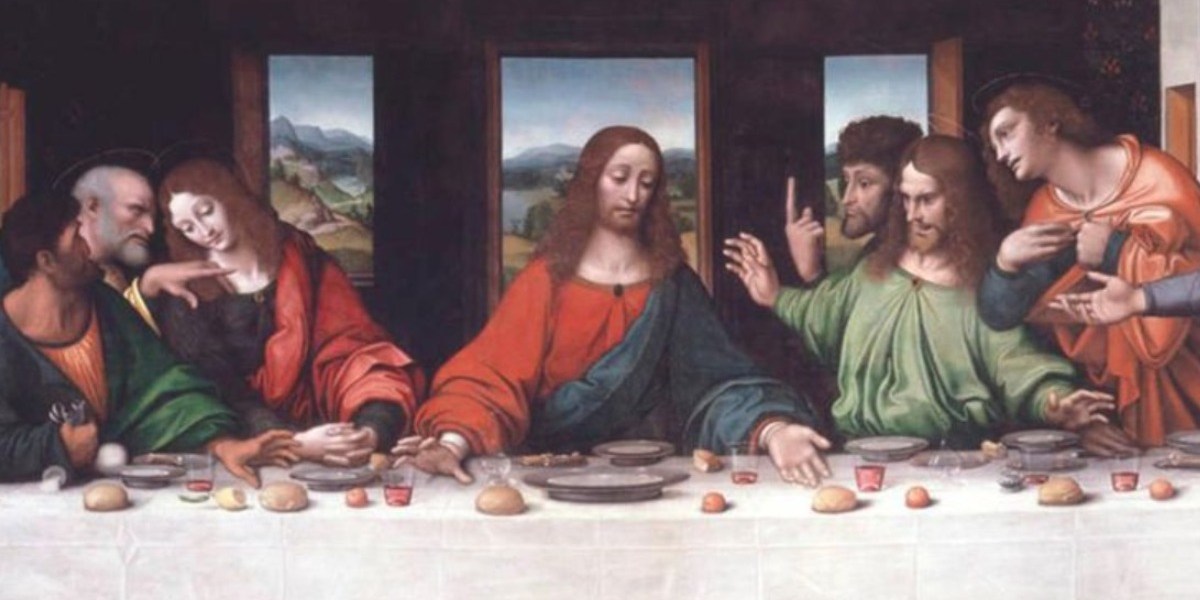
A new high-resolution scan of The Last Supper gives a crystal clear look at the famous painting. Leonardo da Vinci is considered one of the finest artists and thinkers of all time. He created works that have endured for centuries, like the Mona Lisa and The Last Supper, the latter of which is thought to be the greatest depiction of a Biblical scene in all western European art. In it, Jesus and his 12 disciples are eating literally Christ’s last meal, and it was painted as a mural on a wall at a Dominican monastery by the great painter in 1498, in Milan.

Orthodox Christians in Greece, Russia, Bulgaria, Ukraine, and other countries around the world celebrate Orthodox Easter or Pascha.





 Michael Walsh Stories and Books
Recent Comments