
Smallest Country with the Biggest Heart
As men, their women and children were disembarked from Allied shipping, trucked or entrained to waiting Red Army troops, these captives were massacred in groups.

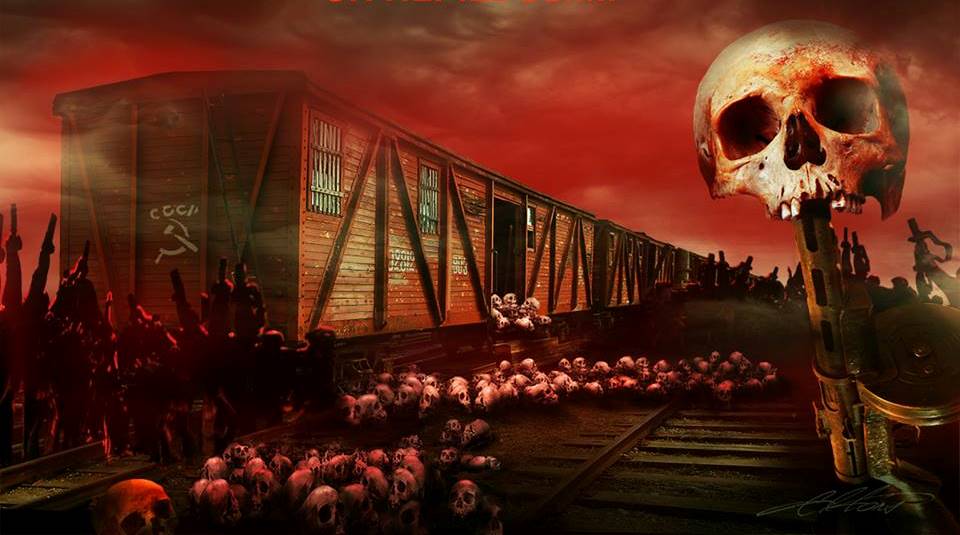
As men, their women and children were disembarked from Allied shipping, trucked or entrained to waiting Red Army troops, these captives were massacred in groups.
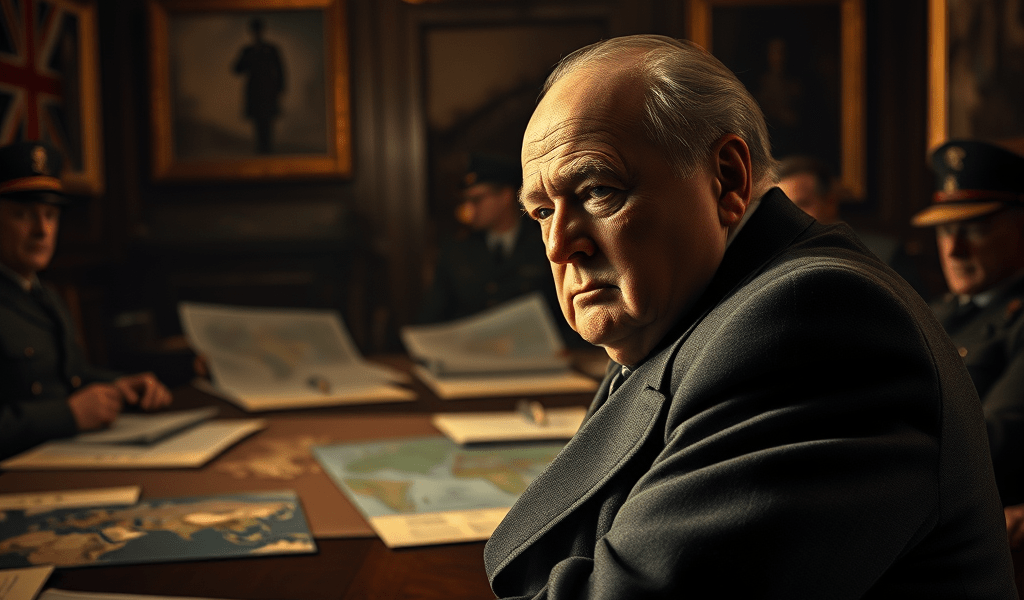
This may go some way to explain why Churchill expressed no regrets over the carnage of World War II. Why would he regret having so successfully accomplished all he had set out to achieve? Such was the appalling misery heaped upon mankind, it would have been perfectly natural for any government leader, regardless of political persuasion, to express remorse.

In her biography, she concedes that ‘Churchill’s pale pink underclothes were made in very finely woven silk.’ She added that he spent something like £80 on them.

‘In terms of personal success, there has been no career more fortunate than that of Winston Churchill. In terms of human suffering to millions of people and the destruction of the noble edifice of mankind, there has been no career more disastrous.’ — The European and English Journal.

MICHAEL WALSH AUTHOR AND HISTORIAN. From June 1941 onward the possibility of a German invasion of England had all but vanished. Another press-promoted lie was that Ireland faced a serious threat of invasion by Germany. In fact, Germany’s twice-elected (1933 and 1936) German Chancellor never contemplated invading the […]

At first glance, it may seem an exaggeration to say that the West is today as authoritarian as it was in the Soviet Bloc. In Soviet-Occupied Europe one could lose one’s job and even one’s liberty for an unguarded comment.

No longer a matter of speculation or dismissed as propaganda, the internet uncontrolled by the government-approved palace publishers and the mainstream press is pulling back the curtains on the scale of mayhem, murder, atrocities and rape by the victorious Allied armies of World War II.
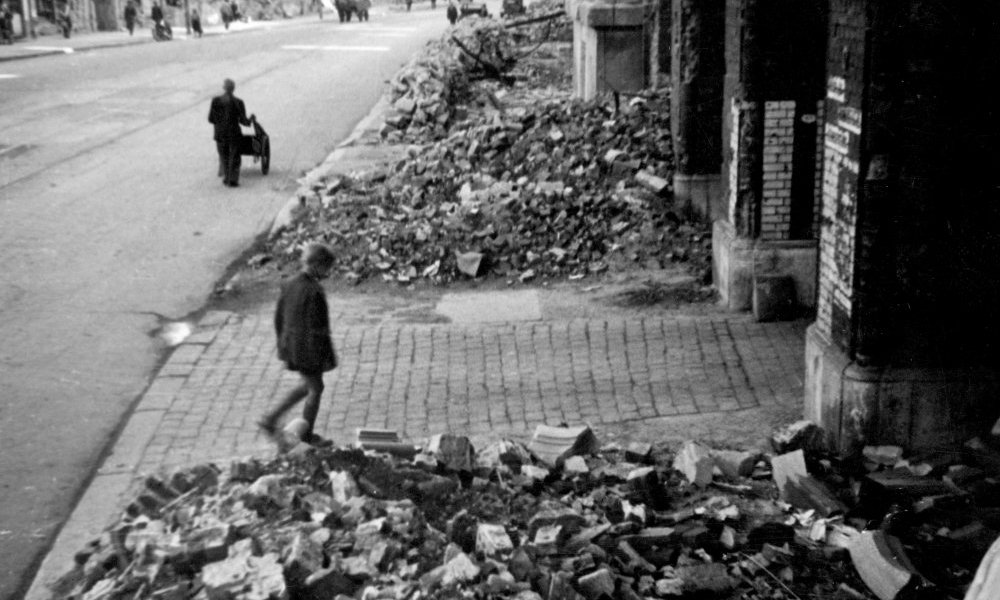
‘The entire metropolis of this once-great European city presented a vision of what the inner earth must appear to be. The sounds of the howling winds feeding the flames competed with the deafening crackle of thousands of fires. Explosions filled the air. Tar on the roads changed into liquid form and in ripples moved in whatever direction the incline directed it to do so….’
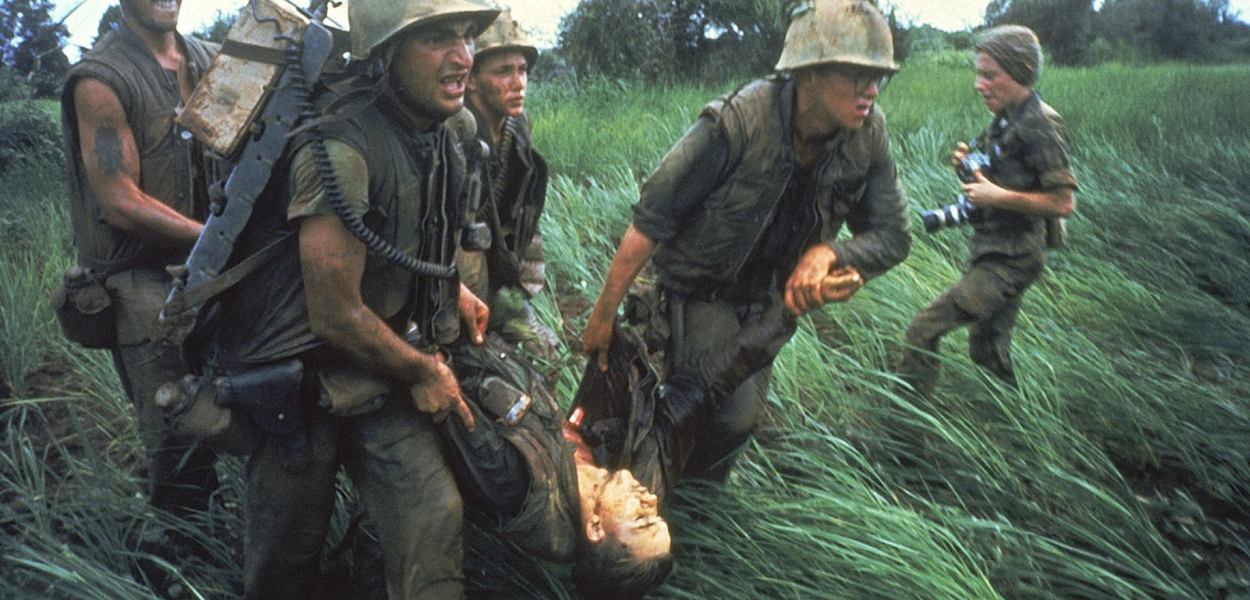
‘A long line of such incidents parades before my mind: the story of our Marines firing on unarmed Japanese survivors who swam ashore on the beach at Midway. The accounts of our machine-gunning prisoners on a Hollandia airstrip; of the Australians pushing captured Japanese soldiers out of transport planes which were taking them south over the New Guinea mountains (the Aussies reported them as committing hara-kiri or ‘resisting’‘).

Little happened between the British and French declarations of war against Germany on September 3 1939 and Germany’s pre-emptive strike on France on 10 May 1940. The Reich occupied northern France to thwart the aims of the British Expeditionary Force (BEF) to open up a new Western Front.



 Michael Walsh Stories and Books
Recent Comments