
Tag: Church

Churchill Rescues the Honour of Tsar Nicholas II

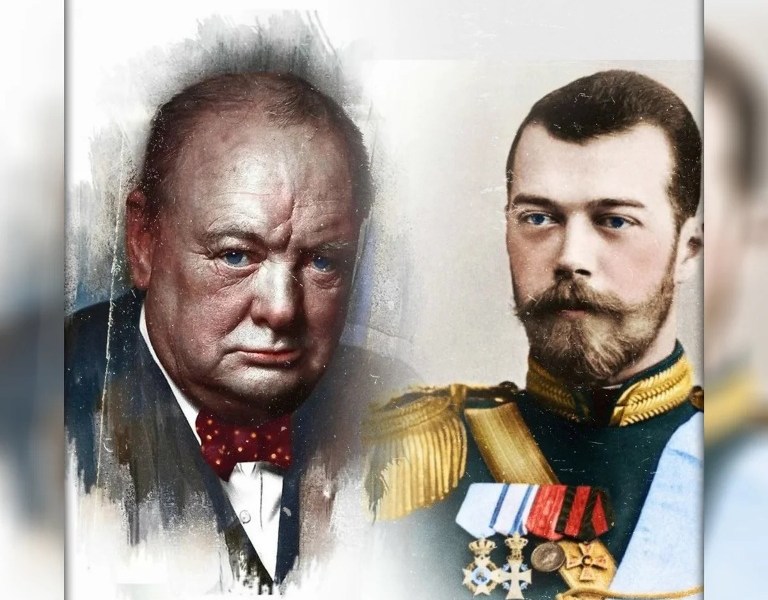
To better understand half-American Winston Churchill it is best to keep in mind that foremost the World War II warlord was an opportunist. A political chameleon, he changed sides of the House more times than he changed his women’s silk knickers, which he adored. It would be difficult to find anyone outside Hitler’s Germany to heap more praise on Adolf Hitler did. Winston Churchill had no problems changing his political rhetoric as the audience and opportunity required.

The Bells of Banff

The video features a school teacher in the Town of Banff, Alberta, Canada, named Heather Jean Jordan, who has been climbing the steeple of a local place of worship, St. George’s-in-the-Pines Anglican Church, each day since the Coronavirus outbreak shut so much down, and playing ‘Amazing Grace’ on the bells for anyone within ear range to hear. Enjoy the music and the natural beauty.

THE TABOO CRUCIFIXION

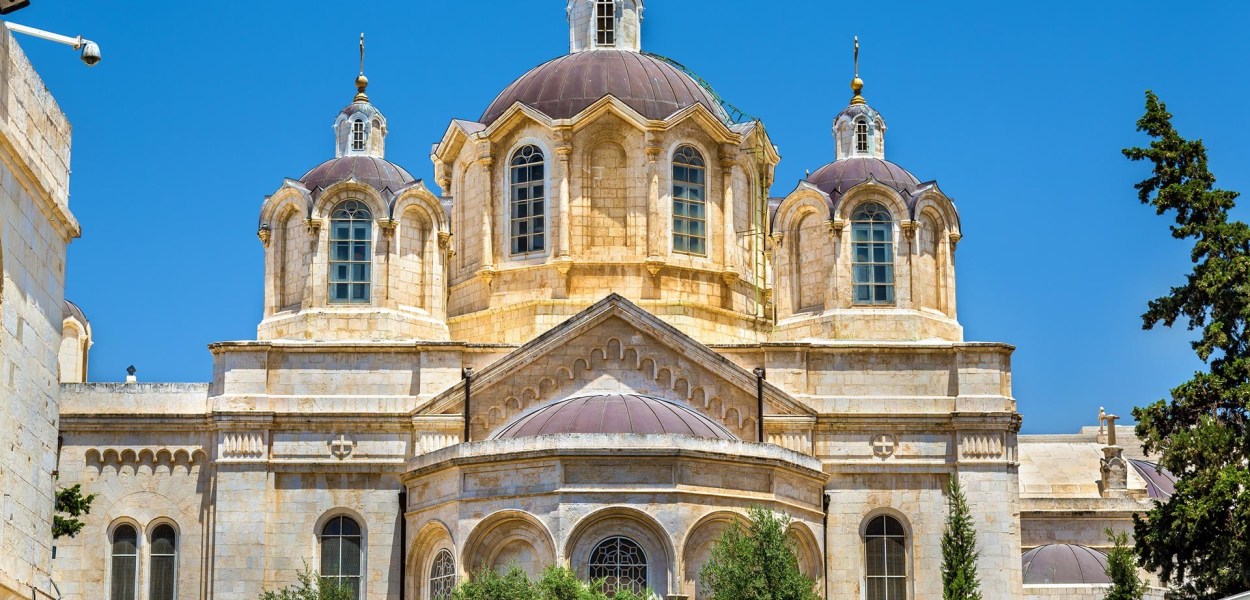
Throughout the 1914 Russian Empire were listed 54,174 Christian churches. In addition there were 25,593 chapels, 1,025 monasteries, military churches and cemetery chapels. By 1987 only 6,893 churches and 15 monasteries remained. During the Jewish martyrdom of the Church the clergy of Western churches remained silent, media complicit, and capitalism flourished. The German Reich from 1941 ~ 1945 was the only saviour of the crucified Church and its celebrants.

How Central Europeans Avoided Burn Out

When talking about burnout, the question arises: what about our great-grandmothers? Many women had 8-10 children, there were the household chores far more arduous than today. Then there was the cattle to look after, constant hard work, eternal lack of sleep, drinking often or missing husband and never a chance of vacation on the beach. How did they all not burn out?

Easter riding

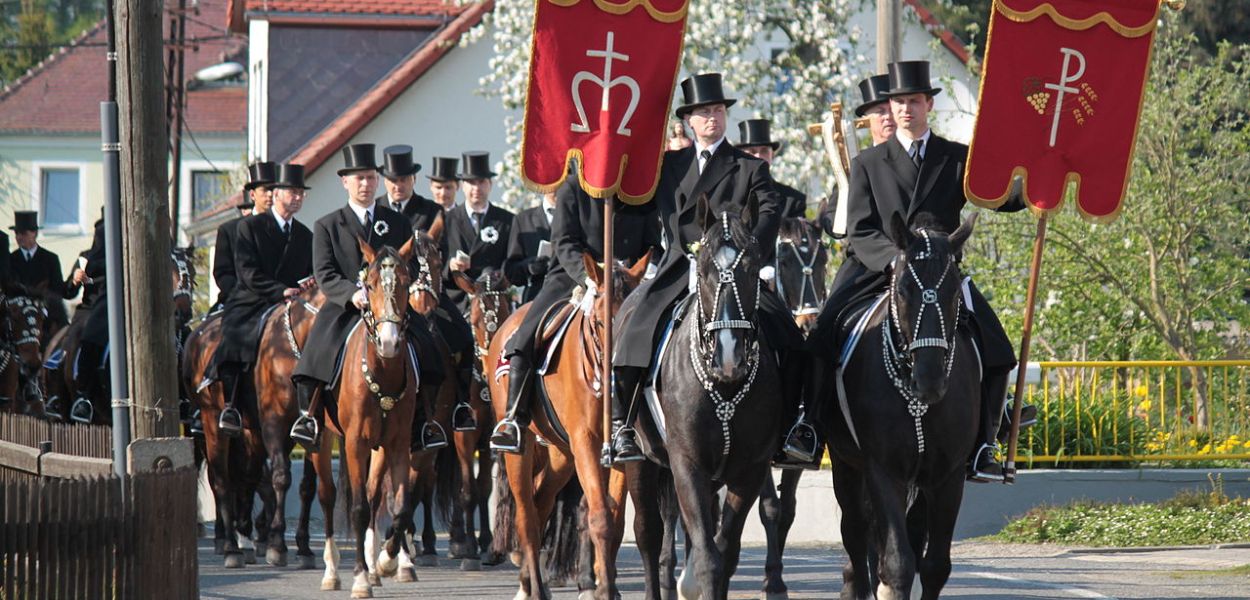
The Osterreiten or Osterritt ( SorbianJutrowne jěchanje ; synonym cross riding ) is an old religious rituals in the form of a procession in which the resurrection of Christ is proclaimed. It is still cultivated as a Sorbian custom in the Catholic part of Upper Lusatia . There are also Easter horseback processions in Old Bavaria and Franconia , in Upper Silesia , North Bohemia and Moravia.

Śmigus Dyngus, also called Wet Monday

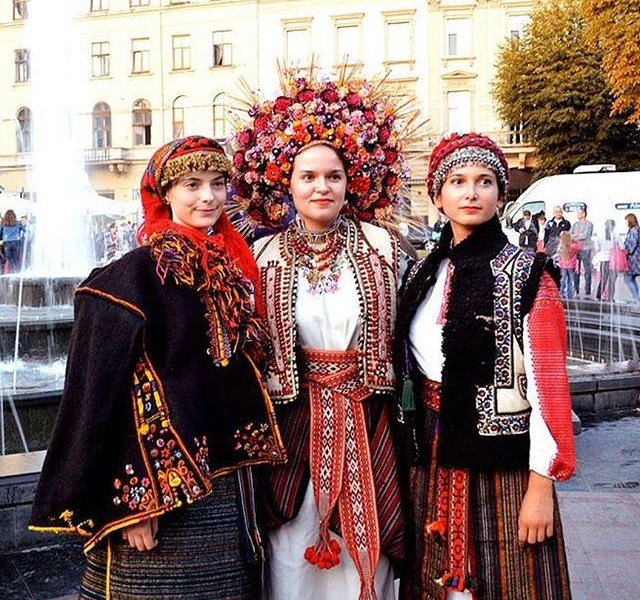
The tradition most likely goes back to the 14th century, but it likely also has pre-Christian origins connected to the March equinox and the coming of spring – water being a symbol of life and renewal. Similar traditions can be found all around Central and Eastern Europe, with Поливаний понеділок (Watering Monday) in Ukraine, Oblévačka in Czech, Oblievačka in Slovak and Vízbevető in Hungary. It’s also known as ‘Dyngus Day’ in Polish communities outside Poland.