
On the night of January 18-19, the Russians celebrated an Orthodox holiday – Epiphany and the believers bathed in ice-holes, despite the abnormal frosts that covered many regions of the and including the capital. In Moscow, for example, the air temperature dropped to minus 23 degrees. Some regions have canceled traditional bathing because of the coronavirus, but most officials organised special fonts, near which doctors, rescuers and police were on duty. In the Moscow region, about 220 ice holes were equipped and entrances to them with convenient parking, TASS reports.

On January 19 (January 6, old style) Eastern Christians celebrate the Baptism of the Lord, or Epiphany. Baptism, like Easter, is considered the oldest holiday in Christian culture. This day is associated with the gospel event – the baptism of Jesus Christ by John the Baptist in the Jordan River. Here you can read about the history, meaning and traditions of the holiday.

How did the nativity scene come about? What are its names in different countries? What does it look like and what are its features? Which nativity scenes are considered the largest in the world and why? All the answers are below.

Malanka is a Russian, Ukrainian, Belarusian, folk holiday celebrated on 13 January, which is New Year’s Eve in accordance with the Julian calendar (see Old New Year).

“Most difficult Christmas for Italians since the war”- Salvini.
Charity Begins at Home says Matteo Salvini: Instead of helping fake migrants, the Italian government should concentrate on helping its own people with adequate measures tailored to counteract the effects of the coronavirus pandemic, League leader Matteo Salvini told conservative Hungarian daily Magyar Hírlap.

One of Kraków’s most unique and singular Christmas traditions is the popular creation of ‘Christmas cribs’ or ‘szopki.’ While many churches across the country display elaborate nativity scenes during the holiday season, ‘szopki krakowskie’ (as the local variety are called) are so idiosyncratic to Kraków, that they were just added to the UNESCO Intangible Cultural Heritage List. Something of a strange cross between a nativity scene, gingerbread house and garish dollhouse, szopki krakowskie are the bizarre result of a slowly evolving folk tradition that dates back to the Middle Ages.
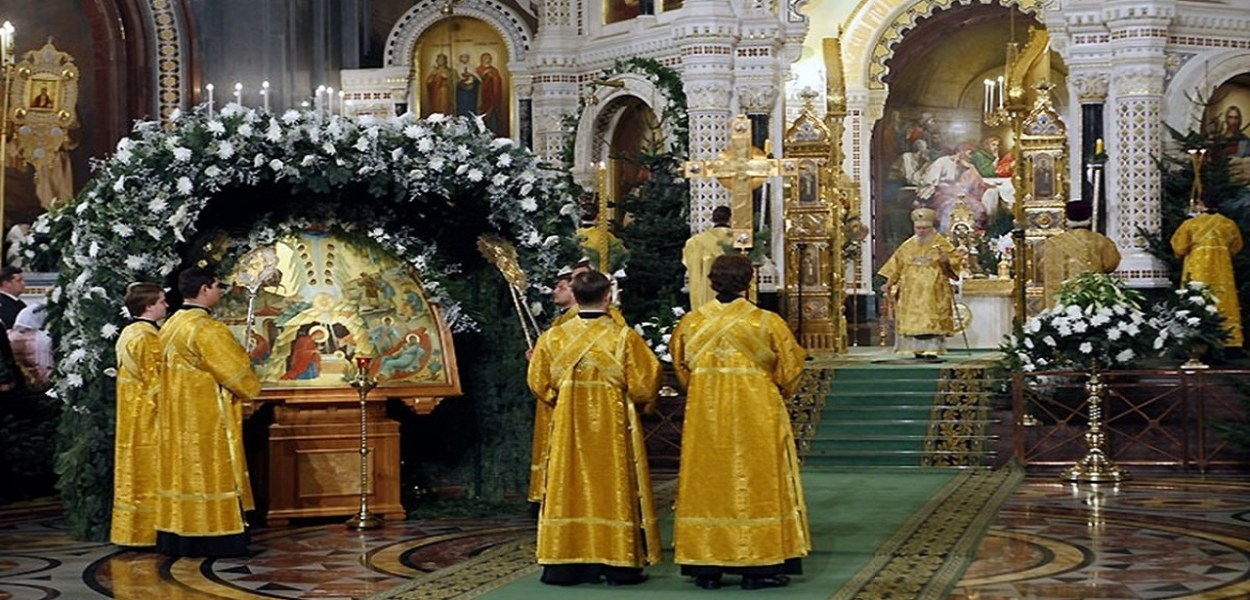
Orthodox Christians annually celebrate Christmas Day on or near January 7 to remember Jesus Christ’s birth, described in the Christian Bible. This date works to the Julian calendar that pre-dates the Gregorian calendar, which is commonly observed.

Koliada or koleda is an ancientpre-Christian Slavic and Baltic winter festival. It was later incorporated into Christmas.
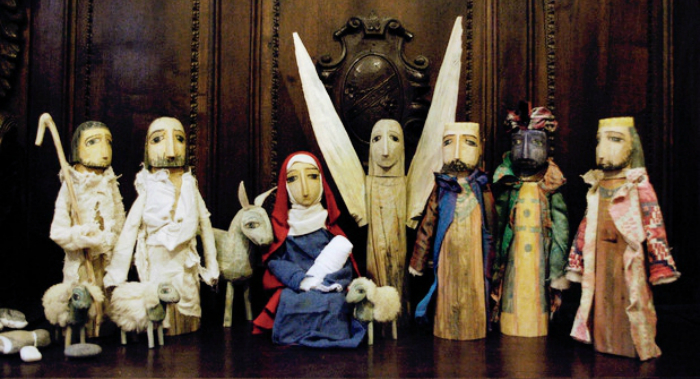
Vertepny theater is a Christmas performance by means of a puppet show, sometimes also with the participation of human actors. It was distributed mainly on the territory of Poland, Ukraine, Belarus, in some regions of Russia. A nativity scene in this case is also called Vertep is a special box in which a puppet show is shown.
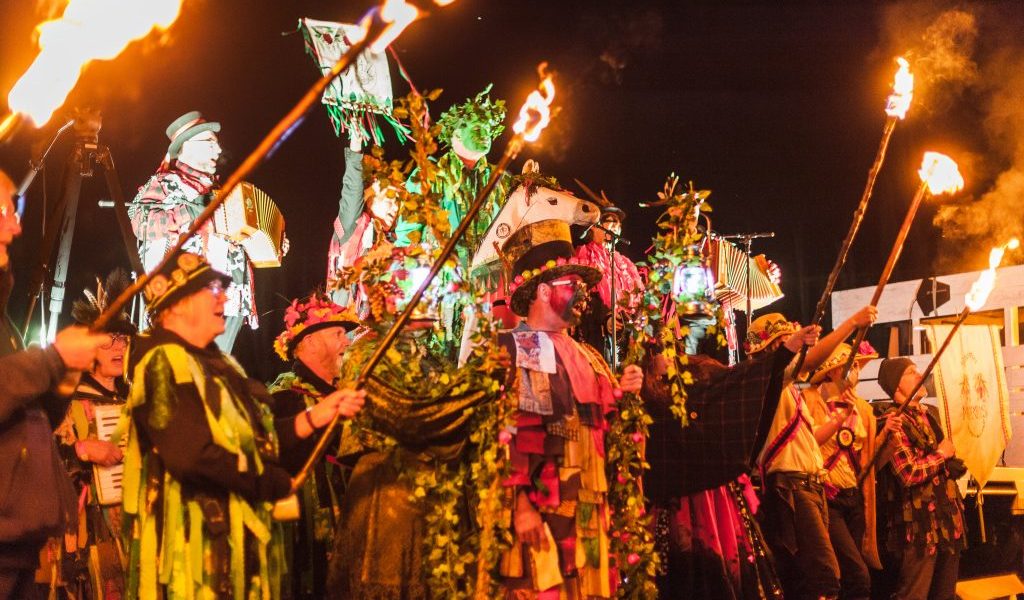
Twelfth Night (also known as Epiphany Eve) is a festival in some branches of Christianity that takes place on the last night of the Twelve Days of Christmas, marking the coming of the Epiphany. Different traditions mark the date of Twelfth Night as either 5 January or 6 January, depending on whether the counting begins on Christmas or 26 December.





 Michael Walsh Stories and Books
Recent Comments