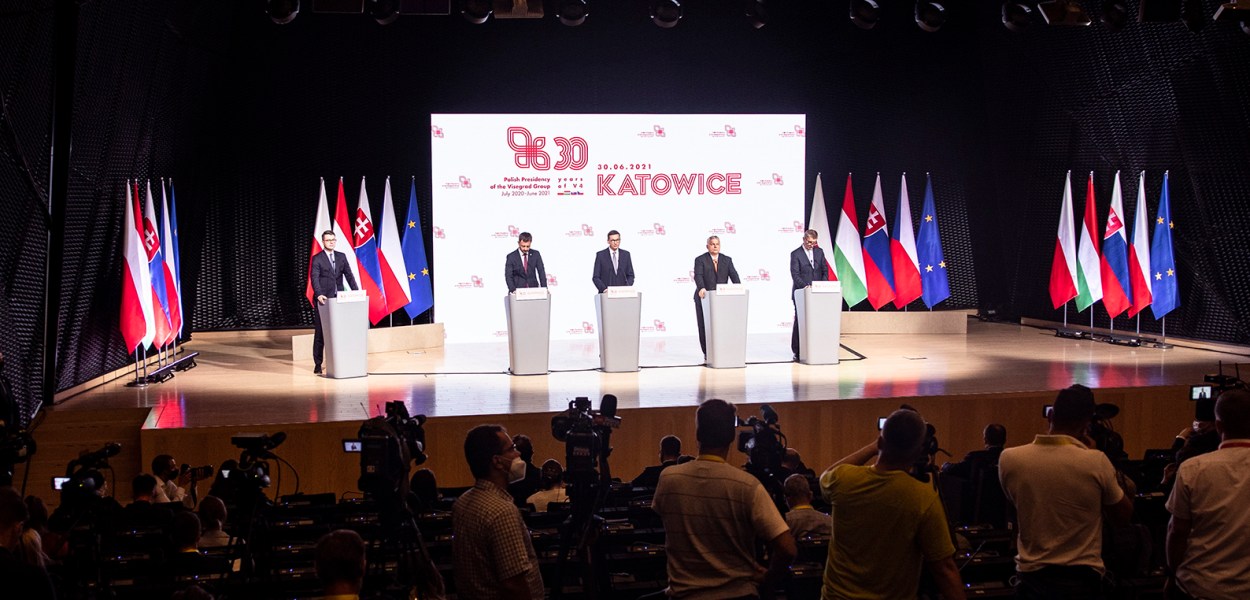
THE SIGNIFICANCE of the four Central European States is that Visegrád would be the 17th largest economy in the world, with twice the growth of the EU, and most people in the EU work in the region after Germany.

Facing increasing sanctions and trying desperately to deal with Washington DC subversion, the President of embattled Belarus will no longer act as an honest broker between the European Union.
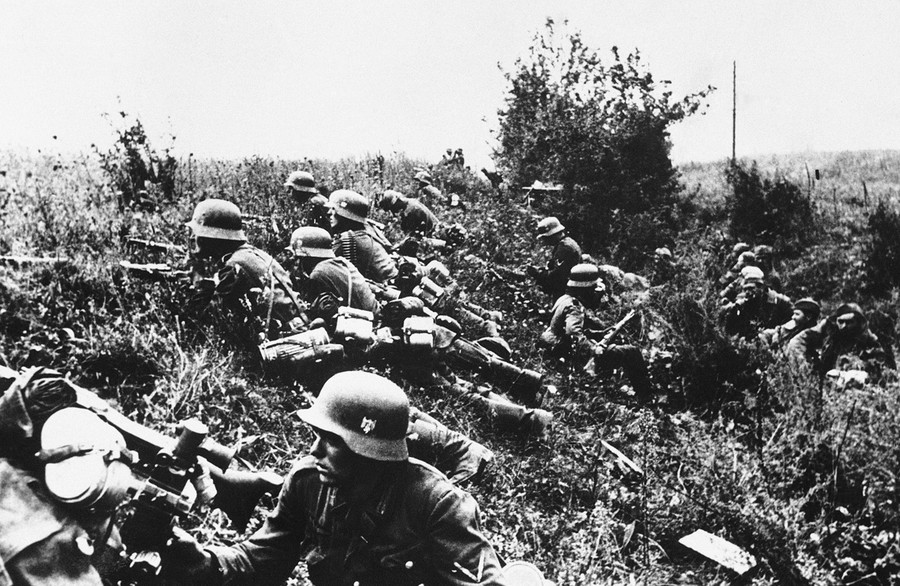
Invited to list the ten most important books of the 20th Century I certainly include The Fuhrer’s Proclamation to the German People. It is commonly thought that the Reich made a fatal blunder in attacking an unprepared defenceless Russia. If this is your view it is perfectly understandable; it is what you have been told to think.

After nearly seven years in power, Stefan Löfven, Sweden’s far left migrant-loving prime minister, has resigned following a no-confidence vote. Humiliatingly, this makes him the first Swedish head of state ever to lose such a motion.

June 28, 2021 – A baby boy who was said to have 0 percent odds of surviving after being born four months prematurely just celebrated his first birthday this month. Richard Scott William Hutchinson is listed in the Guinness Book of World Records as the most premature baby to survive to date. He was born weighing only 11.9 ounces, so tiny that he fit in the palm of a hand. He was born on June 5, 2020, after just 21 weeks and two days in his mother’s womb.
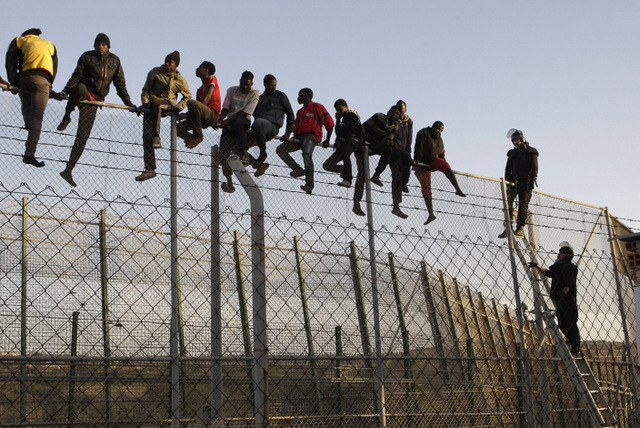
SPAIN is in the lethal grip of a far-left George Soros sponsored regime. The writing is on the wall and for your convenience is written in clear English. Perhaps, as George Orwell surmised, ‘some need to have the backs to the wall, maybe with an African’s knife at their throat, before they see the writing on the wall.

Since the government forced ban on the Génération Identitaire (Generation Identity) movement in March, the French regime has been increasing the number of legal proceedings against its youthful activists. The state’s targeting of these campaigners raises fears that anyone campaigning against mass immigration policies and illegal immigration, even by peaceful means, could face increasingly repressive legal intimidation, effectively forbidding criticism and political protest on a topic many Europeans and the French are increasingly concerned with.

ANTI-GLOBALIST Marine Le Pen could be handed a major boost in her chances to become France’s next president if her National Rally can win an upcoming regional election.

Arriving for a two-day summit of EU leaders in Brussels, Dutch notoriously left-wing Prime Minister Mark Rutte launched yet another attack on Hungary because of its recently adopted anti-paedophile law, which the liberal press hacks labelled anti-LGBT.

The support of foreign diplomats for the recent Warsaw Pride Parade is another example of the world going mad, says Law and Justice (PiS) MEP and professor Ryszard Legutko. Legutko was speaking in context of the participation of foreign diplomats taking part in last week’s Pride Parade in Warsaw in an interview for portal Niezależna.





 Michael Walsh Stories and Books
Recent Comments