Tag: Bolshevism

Be Afraid Be Very Afraid

As a guest at a medieval manse, I recall my bravado when late at night I was invited to enter the unsealed wooden door of a forbidding garret. My hosts stood well back as cautiously I opened the door to peer into a blackness. Other than the darkness I couldn’t see anything but was aware of what I describe tersely as a hideous malevolent entity inviting me to enter. Slamming the garret door shut I fearfully retreated.

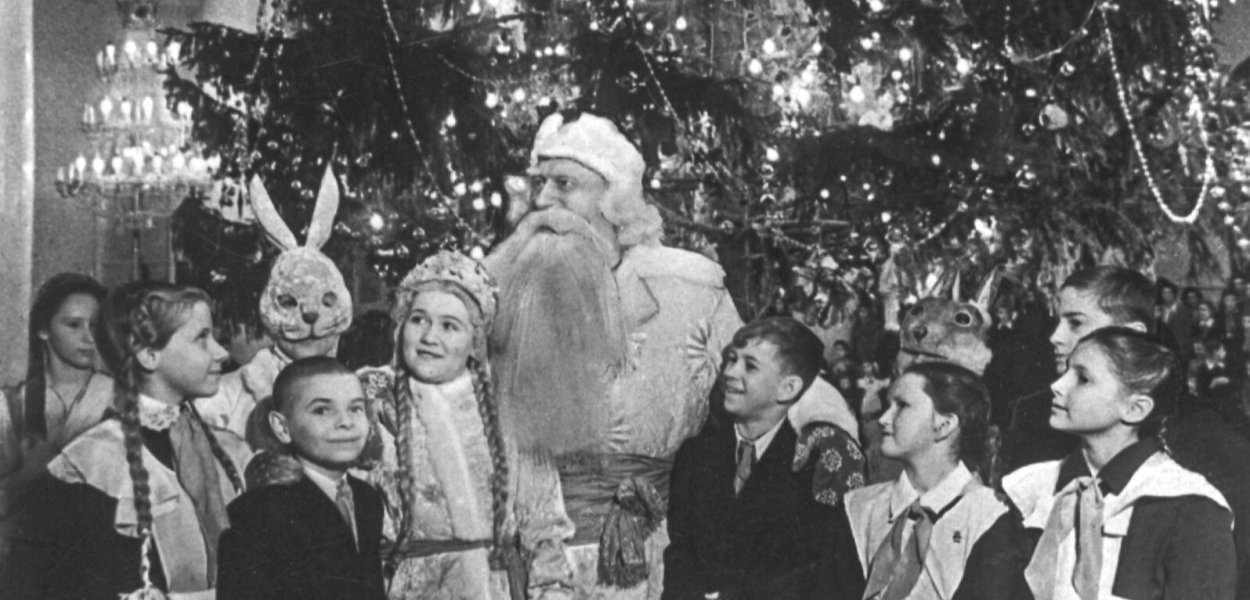
How Blood-Stained Stalin allowed the celebration of the New Year

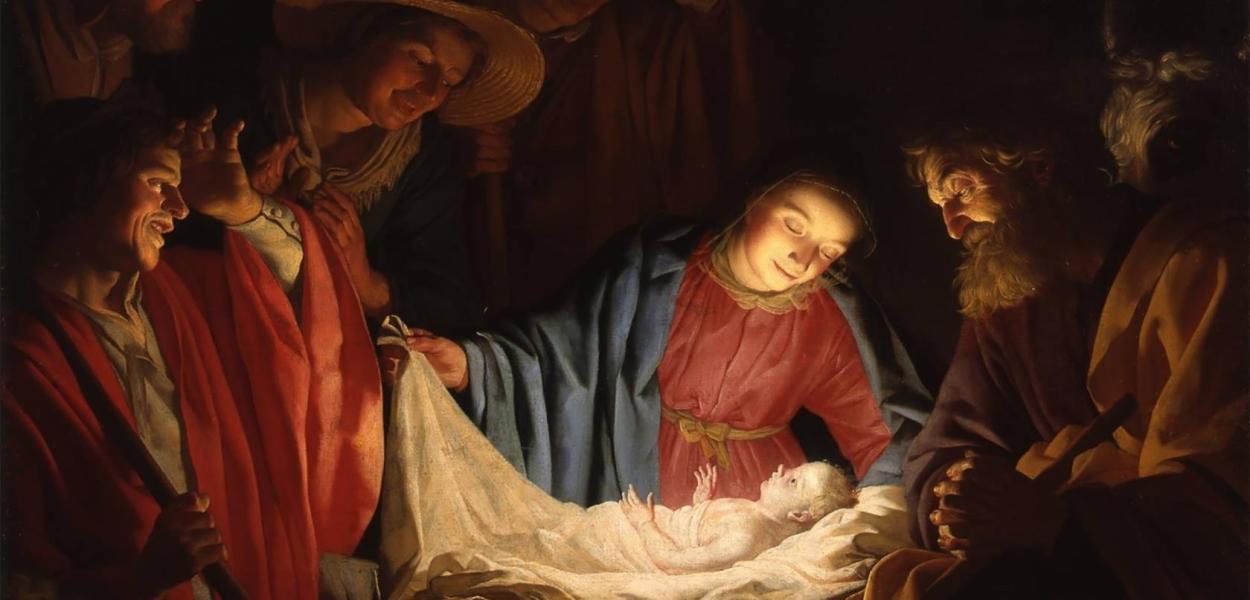
HISTORY REPEATS ITSELF as throughout much of the European Union (EU) Christmas and New Year, under the guise of Covid-19 lockdowns Christmas and New Year 2020 are banned. People may not gather to celebrate Christmas mass, attend Church services in numbers, celebrate the New Year. Sections of stores given over to selling children’s toys, tinsel and garlands, tableware for Christmas festivities. Even Christmas-related food stuffs are declared illegal. Nothing makes sense unless one understands the nature of Bolshevism, which is now called Globalism and ‘diversity’.

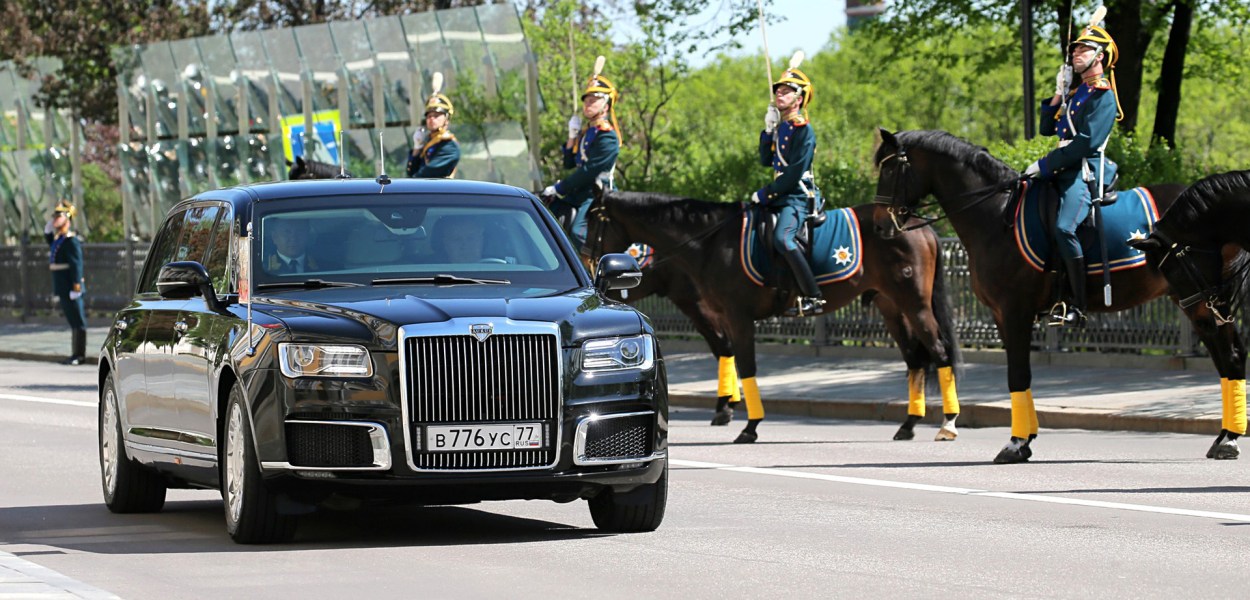
Kremlin cars: The favorite rides of Russian leaders, from Nicholas II to Putin (PHOTOS)

Cars of Soviet and Russian leaders as for any heads of state are not just a means of transportation. The machines should meet special requirements: they should emphasize the status to be most comfortable and meet the highest safety requirements. Sometimes the choice of a vehicle became a part of the policy – only the machine of production of their own country was preferred. The Heads of State usually take in foreign trips entire fleets for which several aircraft were used.

What happened to these priceless Romanov tiaras after 1917 Revolution?

Even Queen Elizabeth II has some old pieces of jewelry that once belonged to the Russian royal family.
The diamond, emerald and sapphire tiaras of the Romanov dynasty were remarkable for their beauty and opulence, and they were well known to other monarchies in Europe. This has to do with their unusual shape since most were reminiscent of the kokoshnik, an old type of Russian headdress. It was Catherine the Great who first brought the fashion for “Russian dress” to the court, and then in the middle of the 19th century under Nicholas I it was made mandatory. At official receptions, women began to wear diadems with a national flavor—“les tiares russes,” as they are called abroad.