
British Prime Minister Boris Johnson met with Ukrainian President Volodymyr Zelensky in Kyiv in ‘solidarity with the Ukrainian people’, reports The Daily Telegraph. As part of the visit, Johnson promised Ukraine another military support and £385 million in World Bank loans.
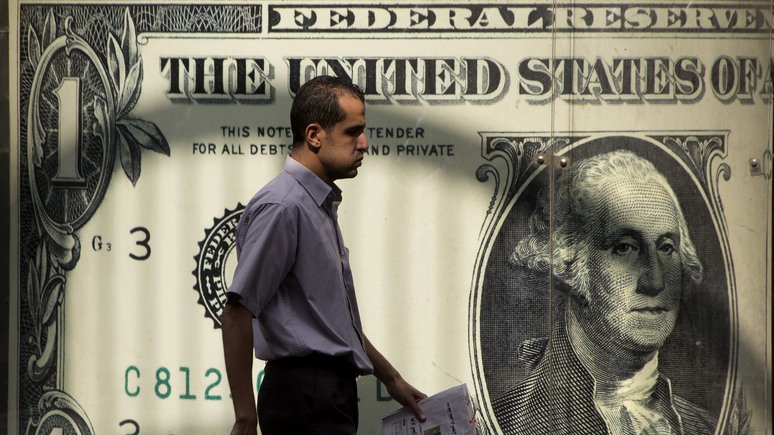
The United States and its European cohorts have deprived the Russian Central Bank of access to foreign reserves, which threatens to stop other countries from using the dollar, analysts at Goldman Sachs write in a research note. As Insider argues, countries are concerned about the abusive power such widespread use of the dollar gives the US, and investors might take that seriously, too.
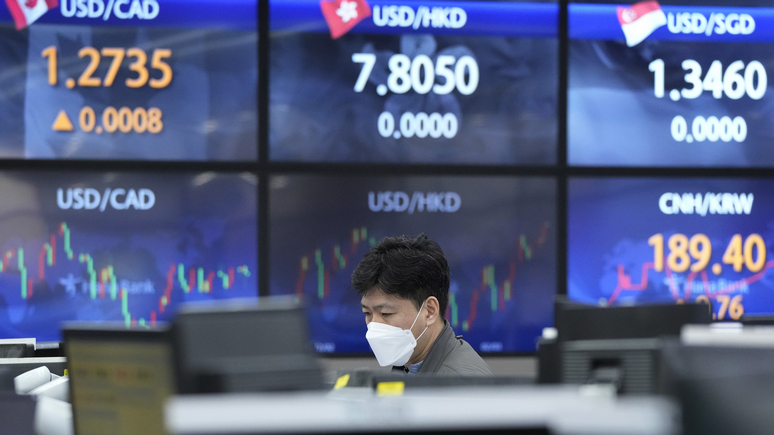
Prices for many essential commodities, food, fuel, plastics, and metals in the Western world, have soared beyond what many consumers can afford. As a result, cash-strapped consumers are forced to cut their spending. If this trend accelerates, it could lead to the fact that Western economies that have already suffered from the pandemic again plunge into the abyss of recession.

How does the Russian economy feel under the burden of new unprecedented sanctions? Much better than one might think, notes The Economist. Although the West has effectively unleashed an ‘economic war’ using the Russian special operation in Ukraine as an excuse to curb Russia as a trading power, by banning the supply of a wide range of goods and forcing large companies to leave the Russian market, as well as freezing up to 60% of the foreign reserves of the Russian Central Bank together, it seems that this strategy no longer leads to the desired results.
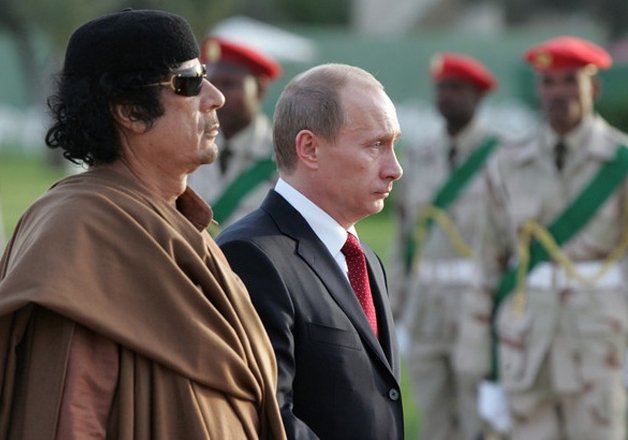
‘When will the Russian ruble be tied to gold? It’s a matter of time (perhaps it has already happened). The Central Bank of Russia already announced a few days ago that it was buying up gold at a fixed price. The tax on the purchase of gold by individuals has been abolished. You don’t have to be a top-level financial analyst to understand where all this is leading up to.
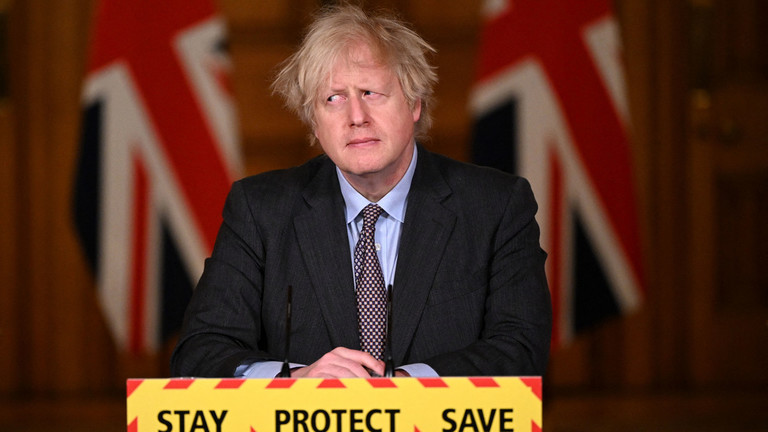
England does appear to constantly live up to the description applied by the philosopher Friedrich Nietzsche: ‘England the land of consummate cant (supreme hypocrisy).’

Despite the futile efforts of the Spanish government to reduce the prices of gasoline and diesel fuel, the Platform for the Protection of the Transport Sector intends to continue the strike. The truckers’ protest has been going on for almost two weeks. The key workers are not satisfied with the proposed measures and they demand an immediate solution to the problem of skyrocketing fuel prices.

Just whose side is the EU and Washington on? Why would Russia have any interest in attacking Europe when the EU and US are doing such a good job of attacking themselves. After oil and gas, cereals and some metals, German industry is now warning that another imminent shortage is looming: that of soot, or as the tire industry more elegantly calls it, ‘carbon black.’

The sharp rise in the price of oil as a result of the imposition of sanctions against Russia could turn out to be the most severe economic consequence for the United Kingdom, which will surpass even the effect of the 1973 oil crisis in scale, writes the Daily Mail. According to the world’s most-read media, several British politicians came to this conclusion at once, who urge the authorities to take measures, in particular, refuse to raise taxes.
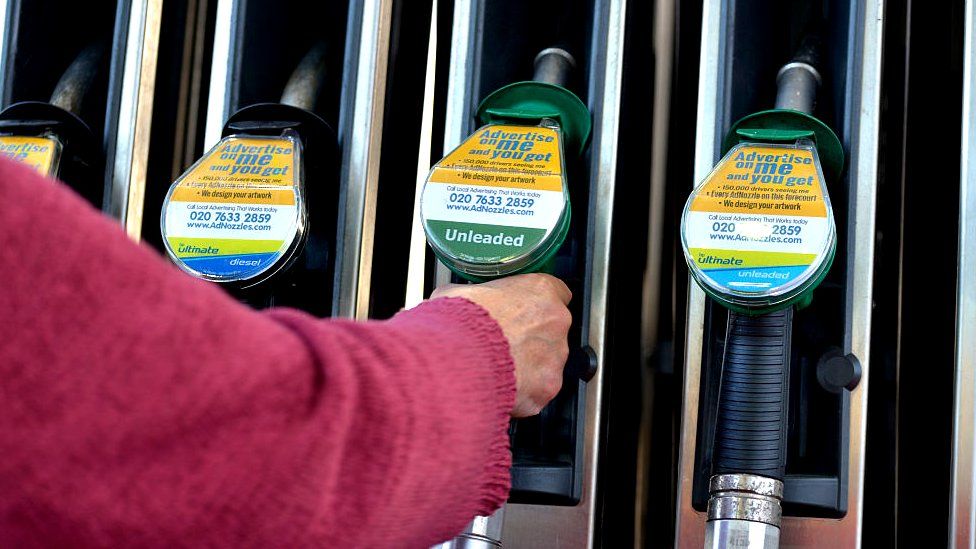
The US authorities and their allies insist on the need to ‘inflict as much economic pain as possible’ on Russia for a special operation in Ukraine. But experts warn that such a drastic move, especially ditching Russian fuel, could hit the pocketbook of ordinary Americans and Europeans.





 Michael Walsh Stories and Books
Recent Comments