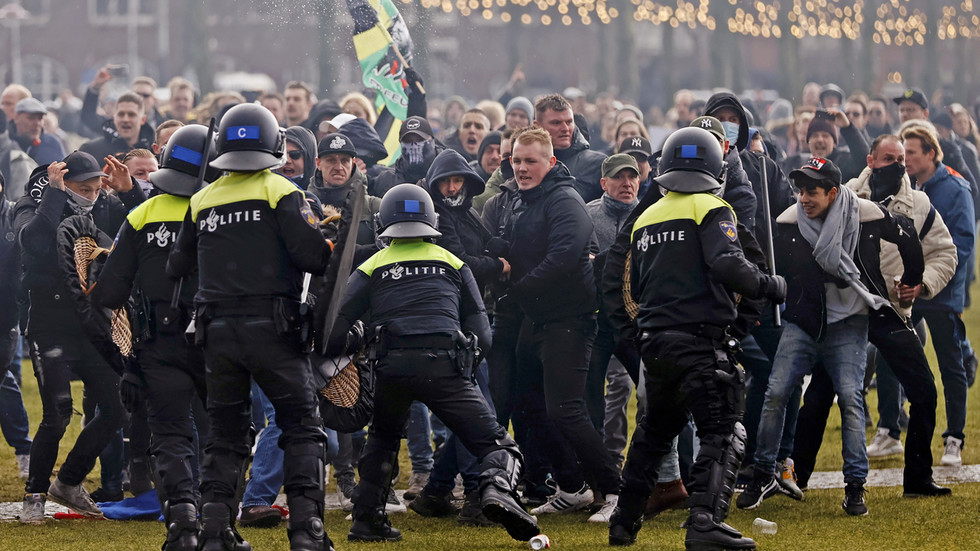
Tens of thousands of anti-lockdown protesters took to the streets of Amsterdam, denouncing restrictive measures against the coronavirus. The mass rally, which had not, of course, been approved of by the Dutch regime or its police, was met with a strong riot police force.
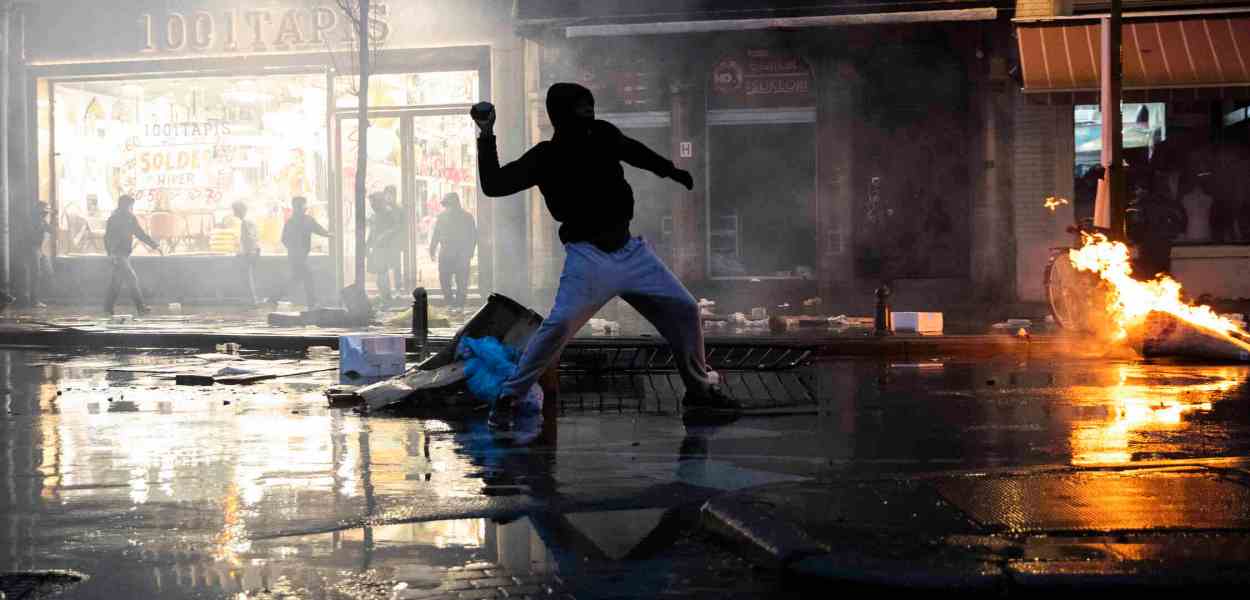
Mass riots in Brussels January 13 evening revealed terrifying scenes in the Belgian capital. Police confirmed that 20 police officers were injured and two female officers were taken to hospital, one of them in serious condition. Police also arrested 112 rioters, of which 30 are supposedly minors.

The Republic of Slovakia, one of the powerful Visegrad Group of nations and hostile to Brussels, has successfully drained the nation’s swamp. Top-ranking officials have been removed from office or arrested in Slovakian Prime Minister Igor Matovič’s anti-corruption drive in the small Central-Eastern European country.

Unpopular lockdowns, a despairing public amidst soaring bankruptcies and evictions offers a backdrop to a police service increasingly seen as the state’s heavies employed to ruthlessly suppress the slightest dissent and opposition to unpopular laws.

Born in 1929, Belgian national Jean Schramme had little need to travel to the Congo Republic. As manager of a vast estate in the Belgian Congo, Schramme was already a Congo national during the Congo Crisis (1960 – 1965). The setting to his contribution was the scene of the unrest following the breakaway of mineral-rich Katanga and Kasai Provinces.





 Michael Walsh Stories and Books
Recent Comments