
On the 18 January 1919 the Paris Peace Conference that ended the First World War began at Versailles. It resulted in five controversial treaties that rearranged the map of Europe and imposed onerous financial penalties on Germany and the other losing nations. These reparations gave rise to political resentments that lasted for decades.

The World War Two lull that preceded the Reich retaliation against belligerent France was known as the Phony War (or Bore War). UK Prime Minister Winston Churchill desperately sought an excuse to round up thousands of citizens he considered to be enemy aliens or of dubious loyalty. Many thousands of unfortunates were merely critics of Churchill’s war aims. Homes were raided and thousands of innocent people were incarcerated because they were of German or Italian extraction. In some cases these unfortunates were second or third generation Britons. Many had served in the British armed forces.
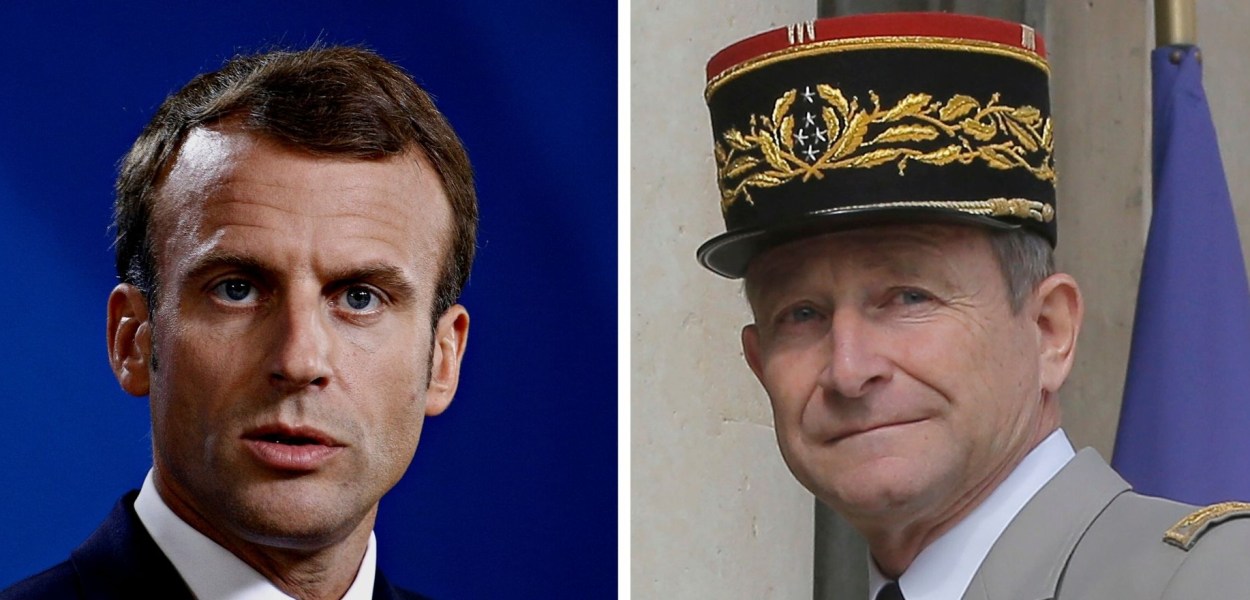
General Pierre de Villiers, who was chief of staff of the French Armed Forces before he resigned from the post at the beginning of Emmanuel Macron’s presidency is the latest of a series of top officials in France who have warned against a looming civil war due to mass immigration.

The people of Europe are related to each other by blood and culture, but have been set against each other by our parasitic elites for centuries. Let us never again fight wars against our cousins for the benefit of alien interests.

Despite tens of thousands of books, features in periodicals, newsreels, movies and comment, the most important stories relating to World War II are unknown. Why, because the events put Germany’s foreign defenders in a good light.
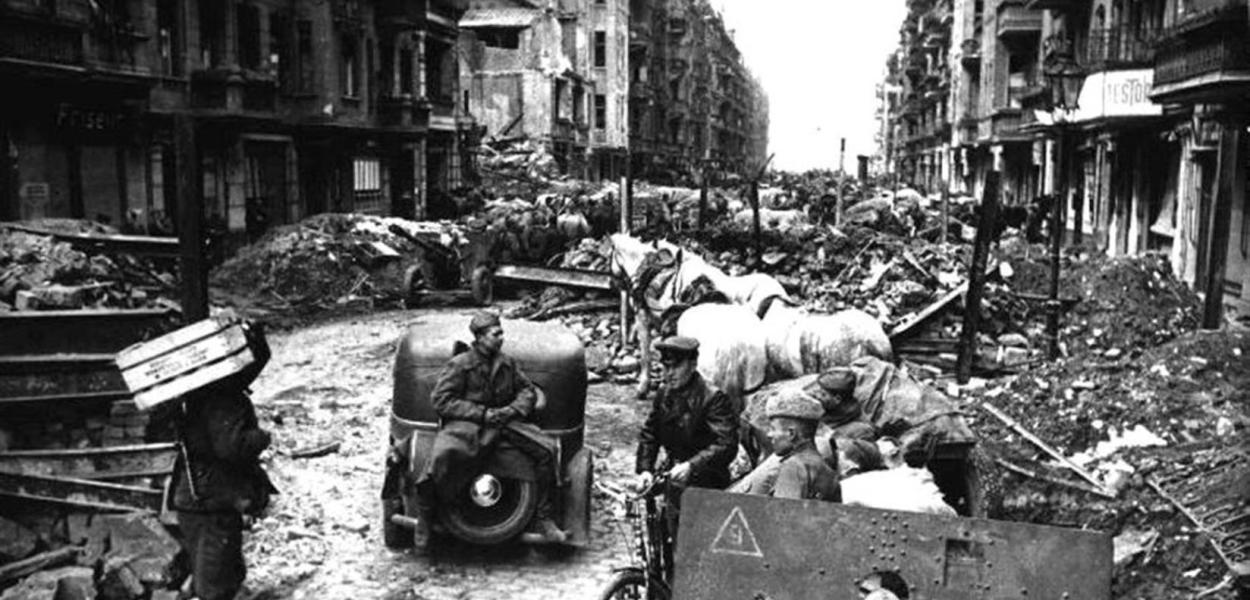
The two world wars led to the largest number of deaths in the course of the conflict in the entire history of mankind. But, in history there have been other conflicts comparable to them in terms of lethality. Columnist Peter Suciu wrote about this in an article for the American magazine National Interest.

As Christmas approaches we are reminded that this is the ‘time for giving’. Unfortunately, charities increasingly resemble the fatted goose as they take full advantage of people’s charitable natures.
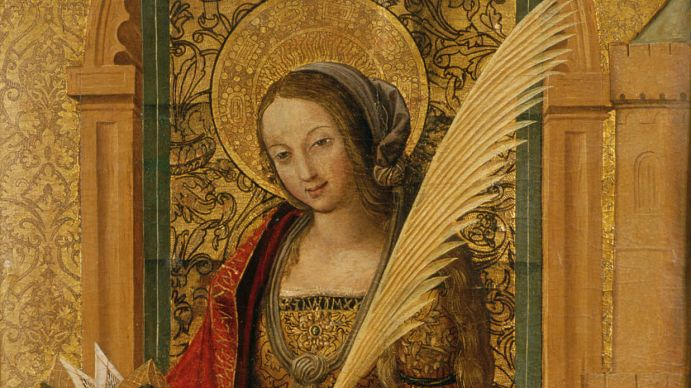
Saint Barbara is the patron saint of miners. She is among the 14 Holy Helpers of the Roman Catholic Church, the “Patron of Good Death.”

With a significant number of Britons sceptical and millions hostile to the thought of being forced to receive a Covid vaccine, the British Army has reportedly deployed an ‘information warfare’ unit to stamp out anti-vax information online. Offline, hundreds of thousands of concerned citizens still protest lockdowns in the streets of British cities.

Born in 1929, Belgian national Jean Schramme had little need to travel to the Congo Republic. As manager of a vast estate in the Belgian Congo, Schramme was already a Congo national during the Congo Crisis (1960 – 1965). The setting to his contribution was the scene of the unrest following the breakaway of mineral-rich Katanga and Kasai Provinces.





 Michael Walsh Stories and Books
Recent Comments