Tag: animal

‘Hero rat’ Magawa retires after five years spent sniffing out landmines in Cambodia

Magawa the “hero rat,” whose work sniffing out landmines in Cambodia won him a medal for life-saving bravery, is retiring after a distinguished five-year career.The African giant pouched rat has found 71 landmines and 38 items of unexploded ordnance during his service, according to APOPO, the mine-clearing non-governmental organization that trained him. His work saw him win a gold medal from the British veterinary charity the People’s Dispensary for Sick Animals (PDSA) last year.

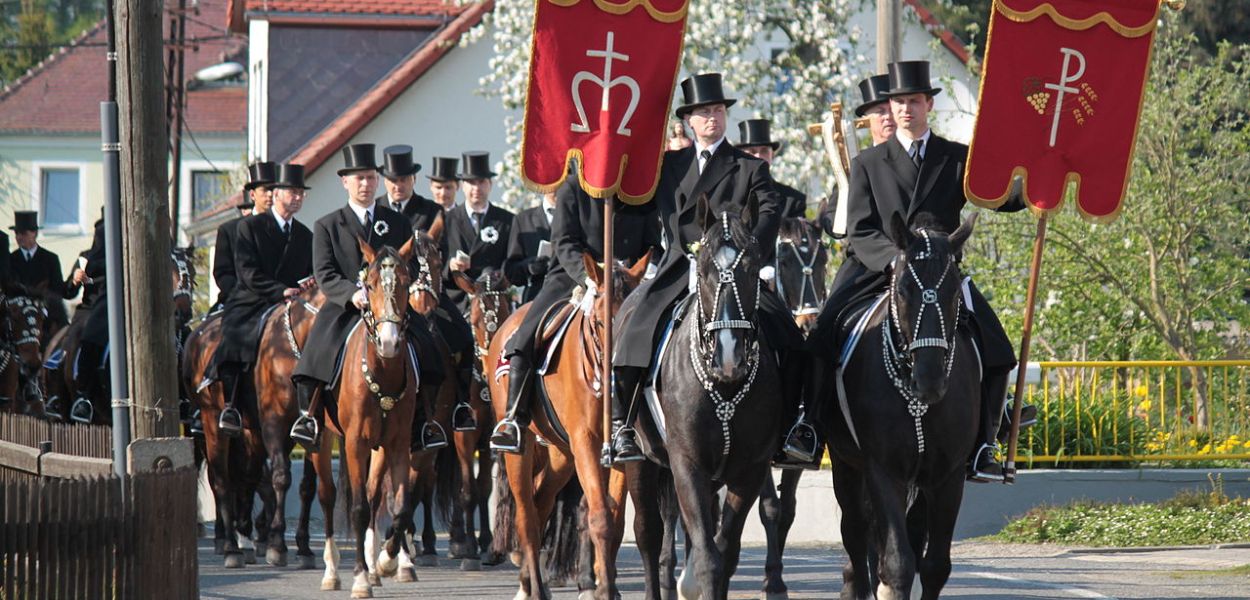
Easter riding

The Osterreiten or Osterritt ( SorbianJutrowne jěchanje ; synonym cross riding ) is an old religious rituals in the form of a procession in which the resurrection of Christ is proclaimed. It is still cultivated as a Sorbian custom in the Catholic part of Upper Lusatia . There are also Easter horseback processions in Old Bavaria and Franconia , in Upper Silesia , North Bohemia and Moravia.

Put a Bird on that Beat: Producer So Wylie Remixes Nature’s Best Singers

So Wylie learned last year that owl calls are “kind of fire.” Now she is expanding her catchy avian collection.
In November 2020, during a contested election and deadly pandemic, a tiny Saw-whet Owl was rescued from the Rockefeller Center Christmas tree. Being very small (and politically unaffiliated), the owl spawned a minor media sensation. Among those entranced was New York-based music producer So Wylie. 

Sadly too many men live like a lion

The lion is said to be the king of the jungle. The big cat is a symbol of raw power, courage and nobility. The lion’s formidable strength and nomadic independence inspire us. The figure of the lion emblazons coats of arms, escutcheons, everything from auto symbolism to beer or whatever.

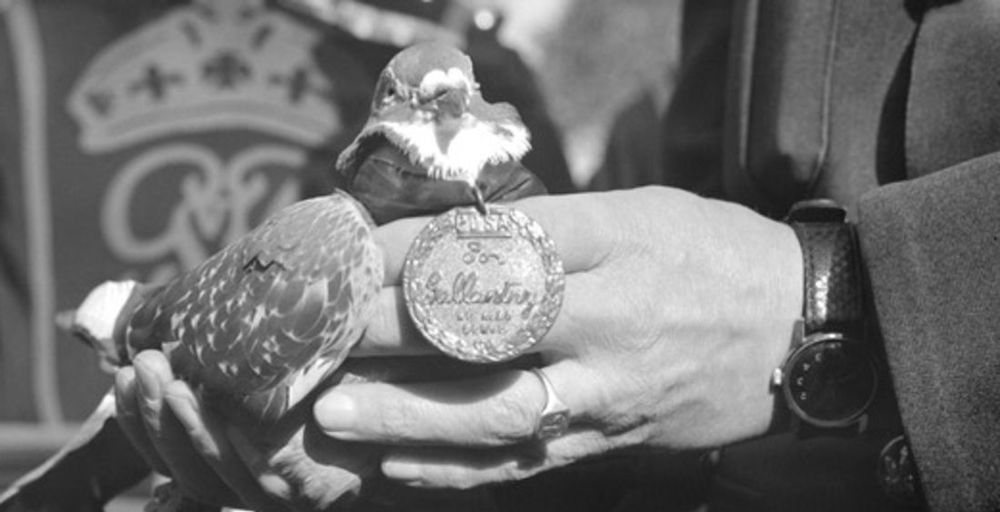
Heroic War Pigeons

World War One, and to some extent, the Second World War, was a strange blend of archaic and modern technology. The First World War, in particular, saw many technological innovations such as machine guns, grenades, submarines, warplanes and tanks, and despite the advances in radio and communications technology, many field commanders preferred to use carrier pigeons to convey important messages. Radio sets were too heavy to carry into battle, and field telephone lines snapped easily. With a homing pigeon, one could write a message on a piece of paper, place it inside a small canister and attach it to the pigeon’s leg. Once the pigeon was released, it would invariably try to fly back home and deliver the message.