
When the German armed forces invaded the USSR on June 22, 1941, Berlin described the offensive as pre-emptive in the face of imminent Soviet aggression. The claim was generally dismissed as Nazi propaganda. Recently disclosed evidence from Soviet sources, however, suggests that Moscow’s foreign policy was not governed by neutrality when Europe went to war in 1939.

If you thought the Cold War between East and West reached its peak in the 1950s and 1960s, then think again. 1945 was the year when Europe was the crucible for a Third World War.

The standard of living and quality of life in Hitler’s Third Reich was far superior to elsewhere in the developed world.
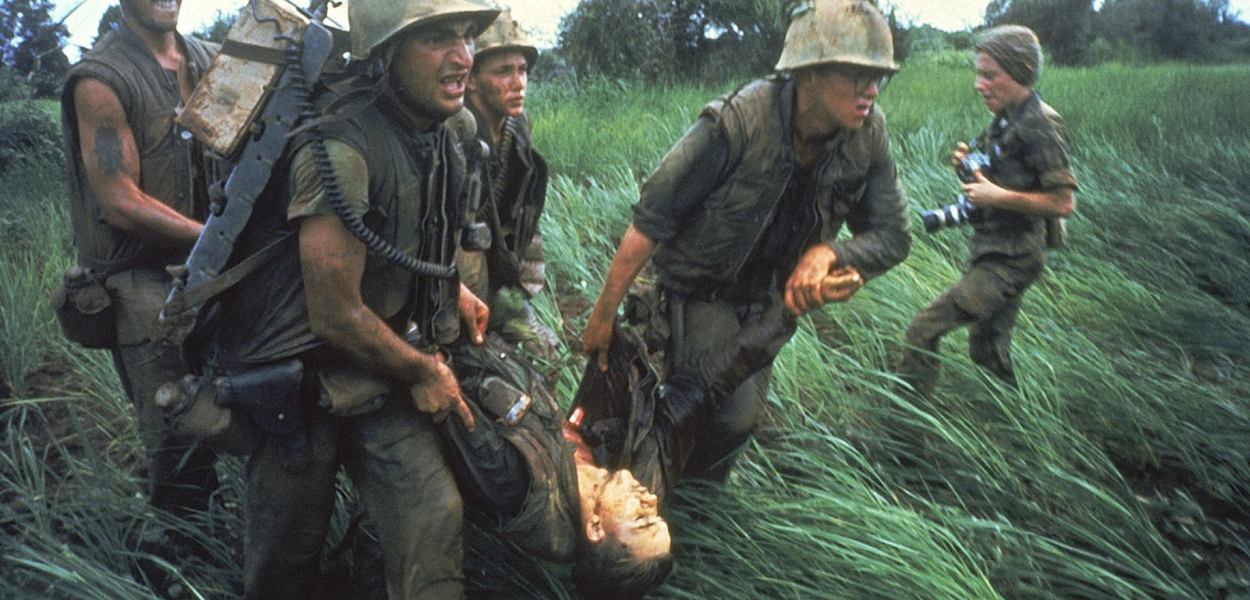
‘A long line of such incidents parades before my mind: the story of our Marines firing on unarmed Japanese survivors who swam ashore on the beach at Midway. The accounts of our machine-gunning prisoners on a Hollandia airstrip; of the Australians pushing captured Japanese soldiers out of transport planes which were taking them south over the New Guinea mountains (the Aussies reported them as committing hara-kiri or ‘resisting’‘).
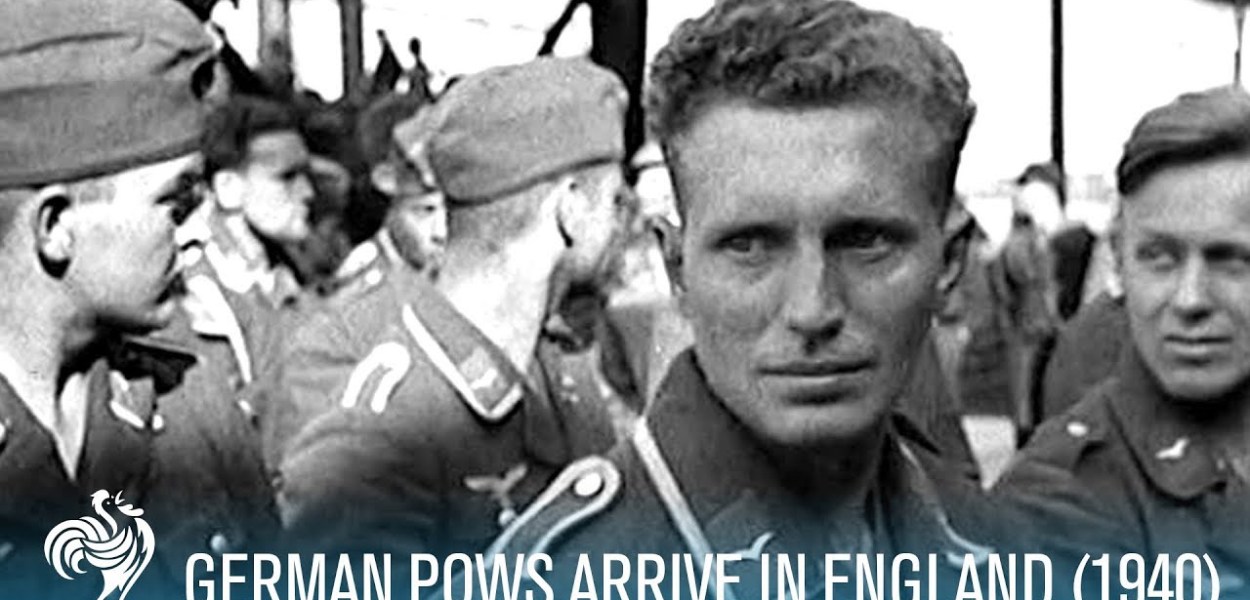
It was a day in November 1971, Brigadier Richard Mansfield Bremner, the commandant of the British Army’s Intelligence Corps, took his seat at his desk at Templer Barracks in Ashford situated to the southeast of London.

In 1917 Senator Hiram Johnson reminded the Senate that the first casualty when war comes is truth. War, as a U.S. general pointed out is ‘nothing personal, it is just business.’

War is a horrendous thing. The worst atrocities often occur in it, but even there there is sometimes a place for humane and honorable treatment of the enemy.

Raising their hands in the raised arm open hand peace salute, up to 10,000 Italians sang in praise of Benito Mussolini to mark 100 years since the beginning of his leadership of renaissance 1922-1945 Italy.

You asked for someone who had lived in Hitler’s Germany to tell you what it was like. Permit me, someone, who lived under the Swastika flag from 1935, when the Saar was reunited with Germany, to 1945, to give a short answer.

Of the hundreds of epic escape stories that occurred during World War II, it is the banalest like The Great Escape that is turned into movies. It appears that only two, As Far as my Feet will Carry me and The One That Got Away (there were many) were made into movies.





 Michael Walsh Stories and Books
Recent Comments