
The French surrendered to the Germans on June 22, 1940. The terms of the capitulation were unusual. The Germans permitted the new French administration, under Marshall Petain, to establish itself in the city of Vichy in the south and central France. From there, unoccupied independent Vichy France governed over half of the French landmass in the south of France whilst retaining their overseas colonies and their navy.

100 years ago, in November 1920, the White Guards evacuated from the Crimea. Off media radar is one of the most horrific holocausts to stigmatise the half-human race. The proud Cossack had long suffered stigmatisation, hate and horror by the Bolsheviks. On November 14, 1920 one of the largest flotillas in European history was moored off the bay at Sevastopol in Crimea. The rescue by armada included 150 ships of every size and type imaginable. Most but not all were ships of Imperial Russia.
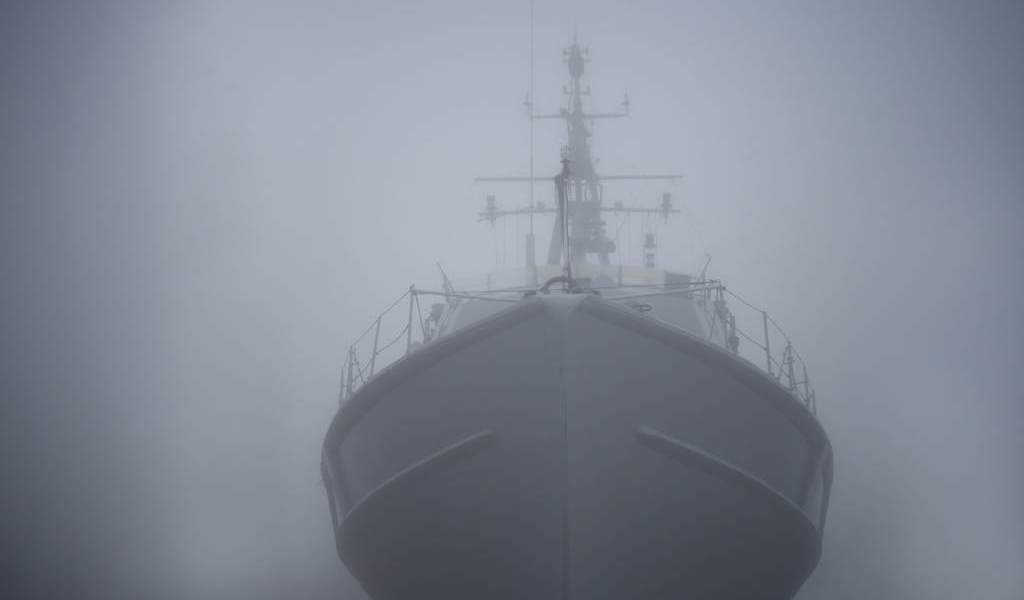
This enigmatic incident with sinister undertones took place either in June 1947 or in February 1948. It sounds paradoxical, but it is a fact. Even the time of the occurrence is unknown, although the mysterious case is inextricably linked with the sea and ships.
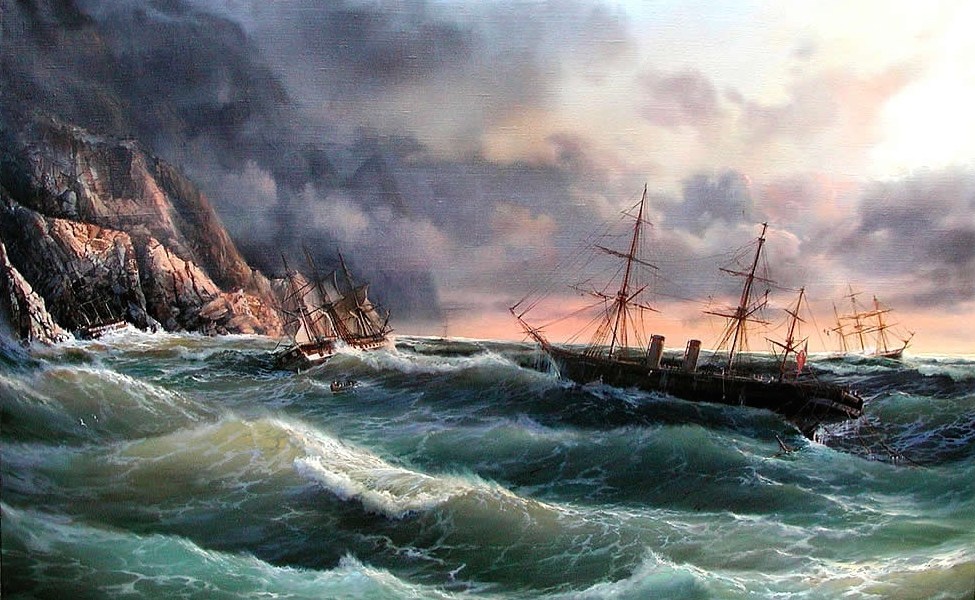
On November 14, 1854, during a severe storm off the coast of Balaklava, the 2,700-tonne vessel, HMS Prince did not have time to take shelter. Helpless against the raging storms that frequent the Black Sea, the recently-built vessel was swept on to the rocks and soon afterwards sank beneath the waves.

How did a squadron of U.S. bombers change the rules of the sea which was to cost the lives of tens of thousands of Allied seamen? Few things illustrate the half-lie better than Allied propaganda relating to the Laconia Order. This was Hitler’s instruction that forbade German shipping from picking up distressed survivors at sea.

When five prominent British writers revealed their belief in ghosts they based their stories on personal experience. Did they open themselves to ridicule? Apparently not.
Studies show that 48% of Americans believe in ghosts. Given that Britain is more ghost-friendly I would expect the British percentage of believers to be higher.

Never forgotten was the drama as the Palm Line freighter Enugu Palm after finally answering the wheel skimmed by a metre or two a row of ocean-going freighters moored at the port’s quays. A second’s delay on the part of Captain Inés would have led to one of the worst shipping disasters in African history.

Consisting of patriotic young ladies following the outbreak of the Great War (1914 – 1918) the initiative was unlikely to provide real assistance to the country in distress. Nevertheless, 35 determined ladies had a different opinion. Dressed in sailor uniforms, they learned the charter, went into the navy’s ranks, followed orders and prepared to die for the Fatherland on the various fronts of the First World War.
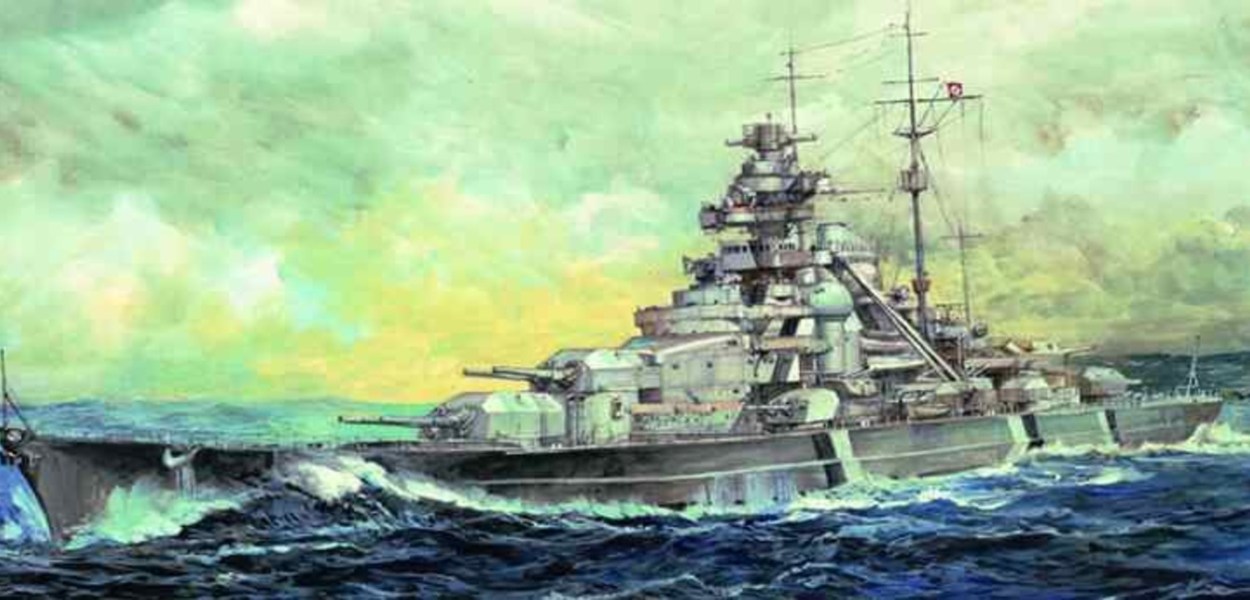
It is generally recognised that the German Battleship Bismarck was one of the most formidable battleships ever built. There was simply nothing to match the Bismarck. Despite the passage of 75-years the remarkable warship and her sister ship Tirpitz still commands awe and respect.
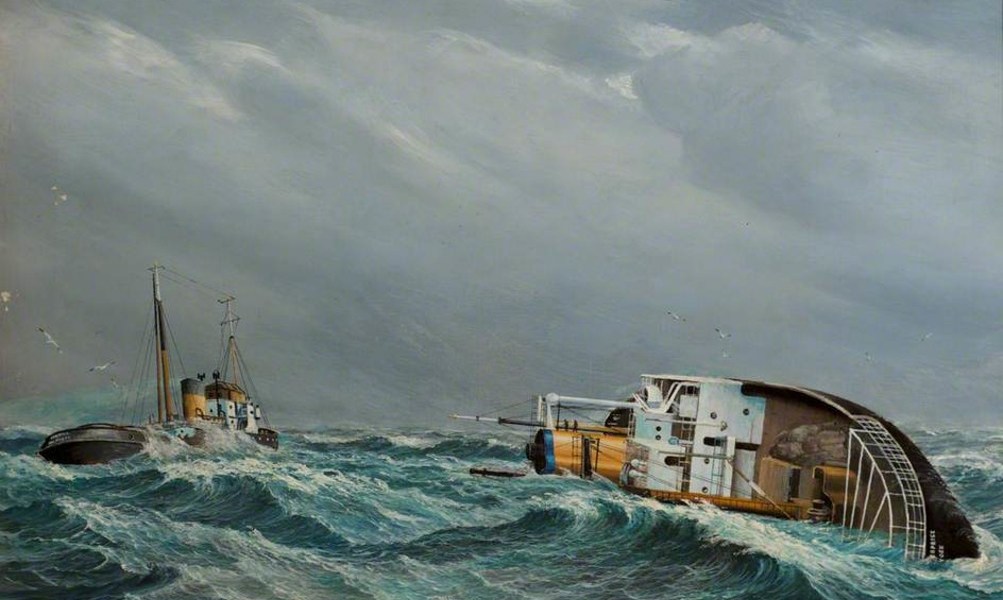
During Christmas Week, 1951, began an incredible sea story involving a WWII era cargo vessel named the Flying Enterprise and her captain, Kurt Carlsen.





 Michael Walsh Stories and Books
Recent Comments