
The Red Rose Café ~ Video
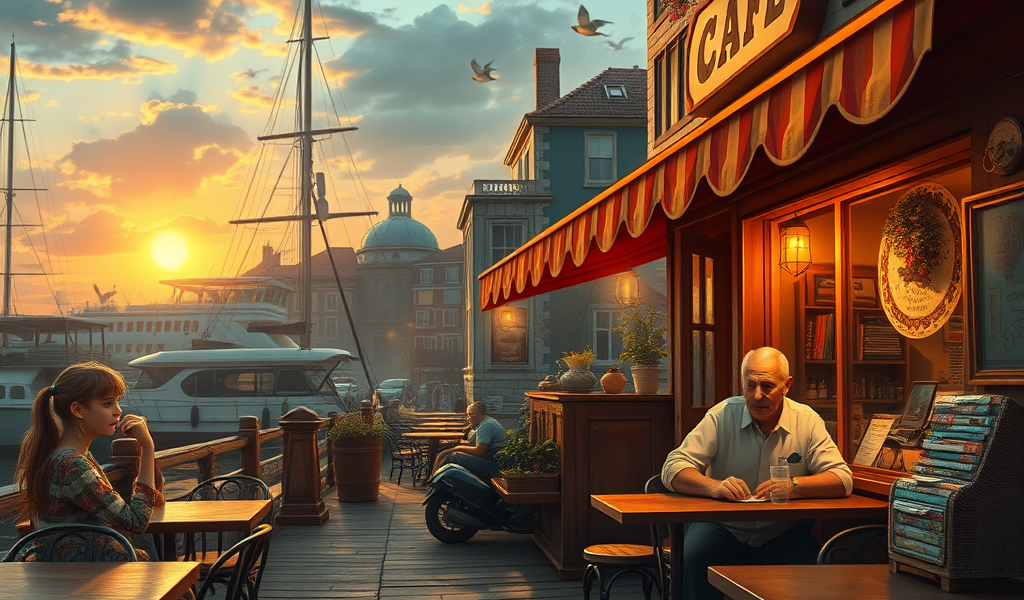
The Red Rose Café ballad began life as a Dutch folk song. It is about an ordinary harbor bar. Here, everyday people briefly escape their worries.
Twelve thousand people were on their feet, cheering, shouting, swaying with the rhythm. And right in the middle of all that noise, a teenage girl sat perfectly still.
Although it sounds like a Civil War–era lament, it is a modern composition that later became famous as the theme of Ken Burns’ documentary The Civil War
‘Forever thine, forever mine, forever us.’
In 1940, at just 24 years old, she composed a bolero titled ‘Bésame mucho.’ She penned it after watching a passionate opera scene, even though, at the time, she had never kissed anyone in her life.
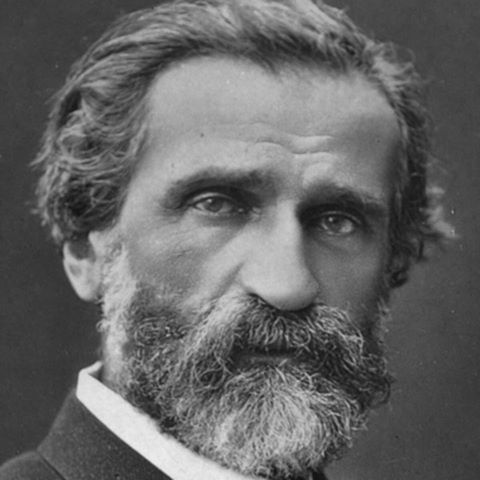
The incident is just one of many that reflect Verdi’s quiet philanthropy. He was not only a man of towering talent, but one who carried the concerns of the poor with him, even in places of luxury and privilege.
Deaf and blind since infancy, Keller had spent her life redefining what was possible. But one evening, gathered around a radio with her family, she was about to experience something utterly unexpected.
“What a life!!!! as it is now. Without you, pursued by the kindness of people here and there, a kindness that I think, that I wish to deserve just as little as I deserve it, man’s homage to man, that pains me
They were all written by Alice Hawthorne, one of the pseudonyms used by the 19th-century songwriter Septimus Winner. The famous poet, composer and violinist, born in 1827 in Philadelphia, Pennsylvania, was the seventh child of Joseph Eastburn Winner and Mary Ann Hawthorne, a relative of Nathanial Hawthorne.
She wasn’t just a musical partner anymore—she was the person who helped Johnny through his darkest times. She encouraged him to seek help, and her unwavering faith in him helped him battle his addiction.
Recent Comments