
The Marius Petipa. The Father of Classical Ballet
On March 11, 1818 was born Marius Petipa – French and Russian ballet dancer, choreographer, actor, theatrical figure and teacher.
If you are concerned about where our world is heading it would be well to take an interest in Vangelia Pandeva Dimitrova (Vanga 1911 – 1996). Vanga lived in Rupite, which straddles the borders of Bulgaria, Macedonia and Greece. It is a place said to be a source of incredible cosmic energy.
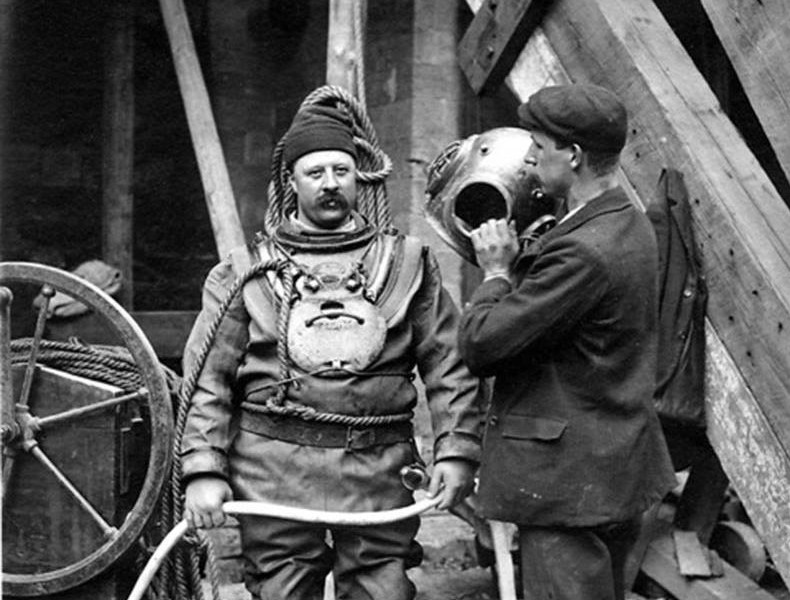
More than a century ago, Winchester Cathedral, which is one of the largest cathedrals in Europe and the longest of all Gothic cathedrals, was saved by the heroic work of a diver, who worked tirelessly to reinforce the foundations of this historic structure, and thus preserve one of the largest and most iconic buildings in all of England.
Thomas F. Dixon, Jr. was an American white supremacist, politician, lawyer, Baptist minister, lecturer, novelist, playwright, and filmmaker. He is perhaps best known for writing “The Clansman” which became the inspiration for D. W. Griffith’s film, The Birth of a Nation.
For $ 8000 Englishman Brandon Grimshaw bought a tiny deserted island in the Seychelles and moved there forever. When Britishman Brendon Grimshaw was under forty, he quit his job as a newspaper editor and started a new life.
Don Starkell wasn’t the kind of guy to shy away from improbable odds. So when people told him his dream of paddling a canoe from Winnipeg to the Amazon was impossible, it fuelled his determination to do it. The epic trip would stretch nearly 20,000 kilometres, through 13 countries, and would include life-threatening tropical storms, fierce waves and a near-execution in Honduras.
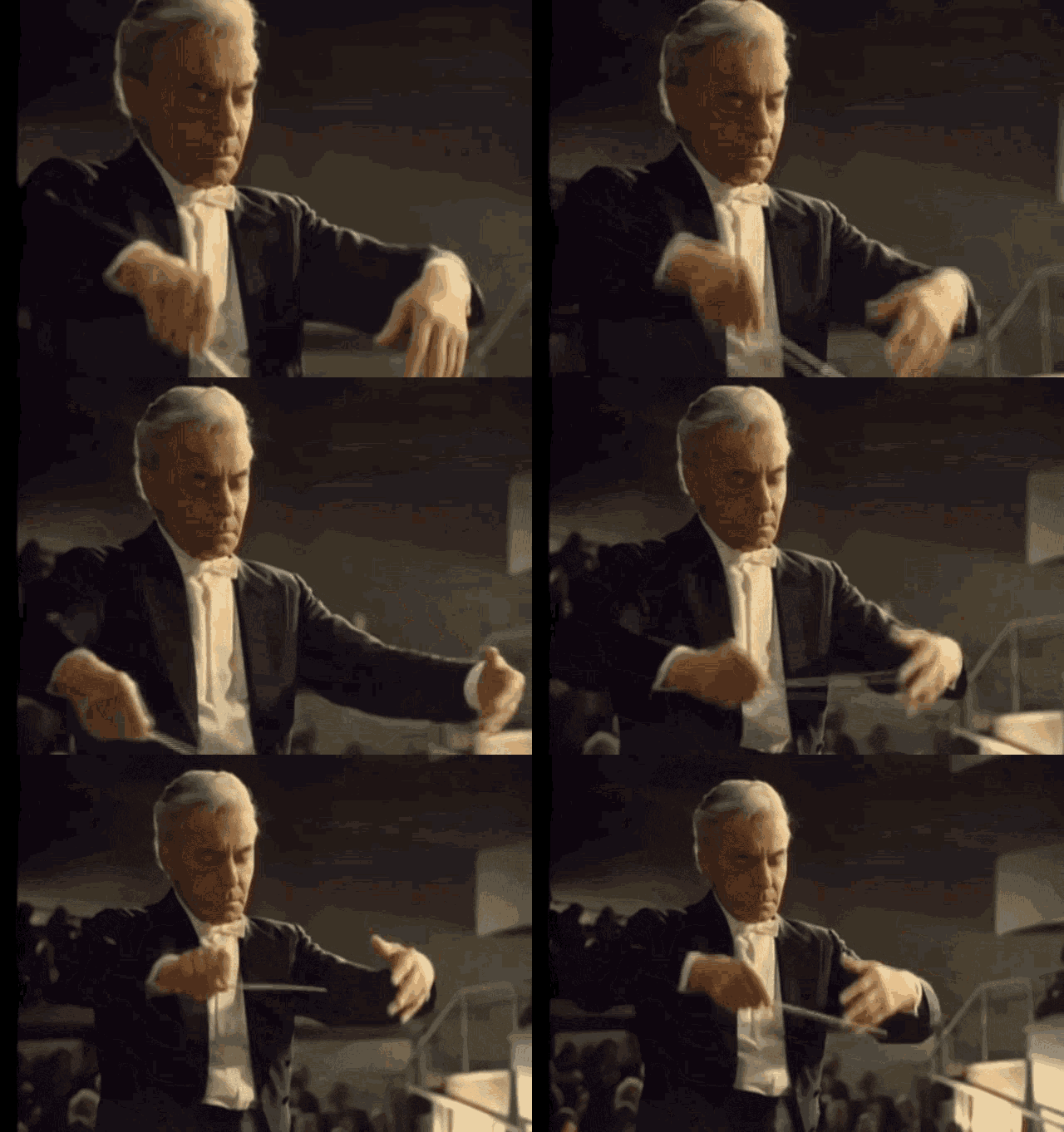
Every age should have its giants; men who will not only reach the epoch of their calling but become a master of other men’s crafts. Herbert von Karajan (April 5 1908 – July 16 1989) was such a man. Many regard him as the greatest conductor ever to mount the podium, the greatest translator of Europe’s classical music.
Is history repeating itself and will we, for once, learn from history? In 1792, flames of the revolution lit in Paris had engulfed France. Revolutionary fervour and the fury of the people against the ruling caste reached a crescendo. Foreign forces (gimmigrants) were looming over the borders, threatening to quash those defiant voices. It was at such a time, on a night of gathering storm, that an ordinary soldier penned a song that became the greatest inspiring force of the people’s revolt against a tyrannical government. This is the story of that stirring song, La Marseillaise.
Poetry lovers are people who prefer their musings in colour to their thoughts in black and white. All reading matter penetrates; some hardly brush the skin but poetry reaches parts that others cannot reach.
Once, while at the Royal Spanish Academy in Rome, I tried to give lectures, but one woman constantly blinded me with a camera flash, which prevented me from concentrating on my notes. I said that while I was working, they should stop working, because of the division of labour. The woman turned off her camera but clearly felt pained.
Recent Comments