
Amazing Christmas Facts
Where did the phrase “Jiminy Christmas” come from? What about “Godspeed”? Why do some people write “Xmas”? The answers may surprise you! Enjoy Christmas facts and trivia about the festive season.

Where did the phrase “Jiminy Christmas” come from? What about “Godspeed”? Why do some people write “Xmas”? The answers may surprise you! Enjoy Christmas facts and trivia about the festive season.

In the Christian tradition, a nativity scene (also known as a manger scene, crib, crèche (/krɛʃ/or /kreɪʃ/), or in Italian presepio or presepe) is the special exhibition, particularly during the Christmas season, of art objects representing the birth of Jesus. While the term “nativity scene” may be used of any representation of the very common subject of the Nativity of Jesus in art, it has a more specialized sense referring to seasonal displays, either using model figures in a setting or reenactments called “living nativity scenes” (tableau vivant) in which real humans and animals participate. Nativity scenes exhibit figures representing the infant Jesus, his mother, Mary, and her husband, Joseph.
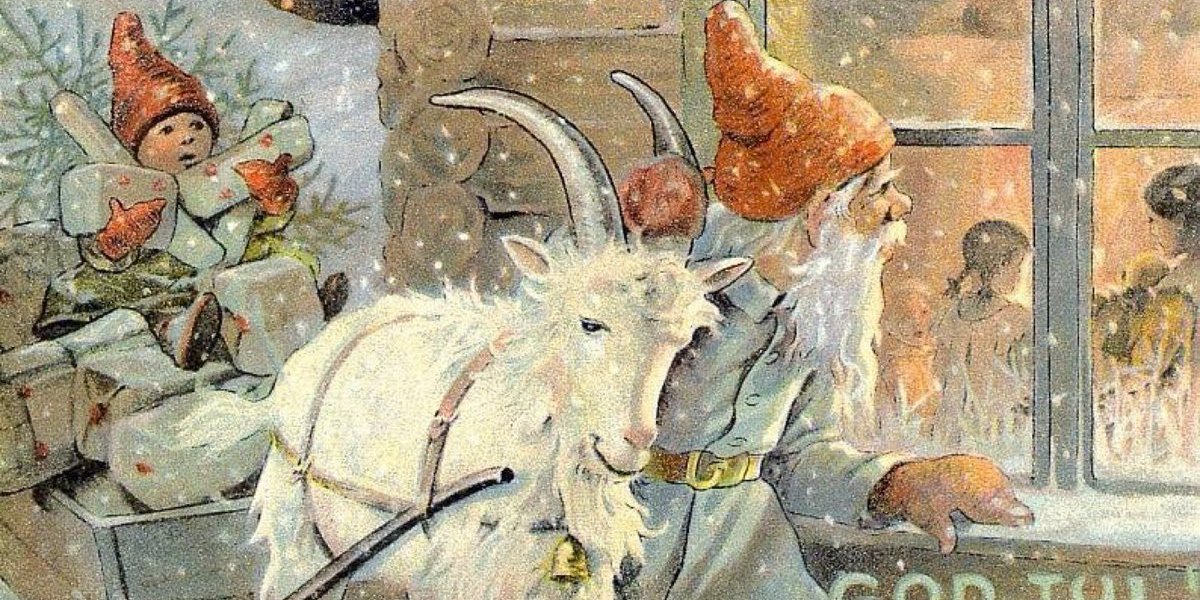
The Yule goat is a Scandinavian and Northern European Yule and Christmas symbol and tradition. Its origin may be Germanic pagan and has existed in many variants during Scandinavian history. Modern representations of the Yule goat are typically made of straw.

The Candle in the Window otherwise in Gaelic Coinneal Mór na Nollag. On Christmas Eve a big candle was left to burn in the window, often lit by the youngest member of the family. The idea was to light the way of the Holy Family who was travelling the road. It was also lit as a welcome to visitors.
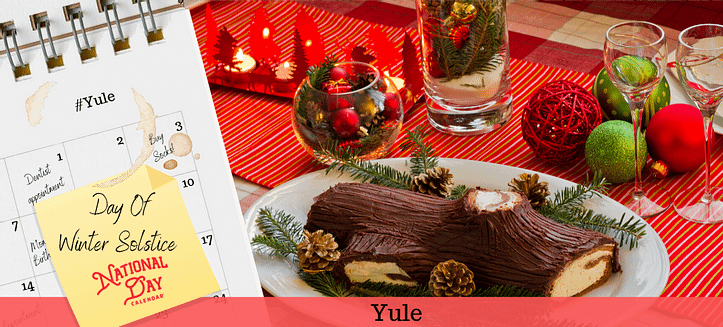
While we observe the winter solstice around the world, Germanic cultures of northern and western Europe primarily celebrated Yule. At the midpoint of winter, they celebrated the rebirth of the sun and the light it would bring to the Earth.

A Guide to Christmas Markets in Germany, Austria, Switzerland and other European countries.

The ancient origins of Christmas tradition are deep-rooted in European culture. The threads unwrap the magic of this sacred time of the year and their contents can be enjoyed completely free of charge or commitment.

The Roman poet Catullus described Saturnalia as “the best of times” — he didn’t even have to offer a caveat, like the Christmas-obsessed Charles Dickens did in his novel Great Expectations. Saturnalia was just straight-up awesome.

This time of year, there are Christmas wreaths adorning everywhere imaginable—from doors and fences to lampposts and windows—even the front grille of the car! How did a round bit of greenery come to symbolize the holidays?
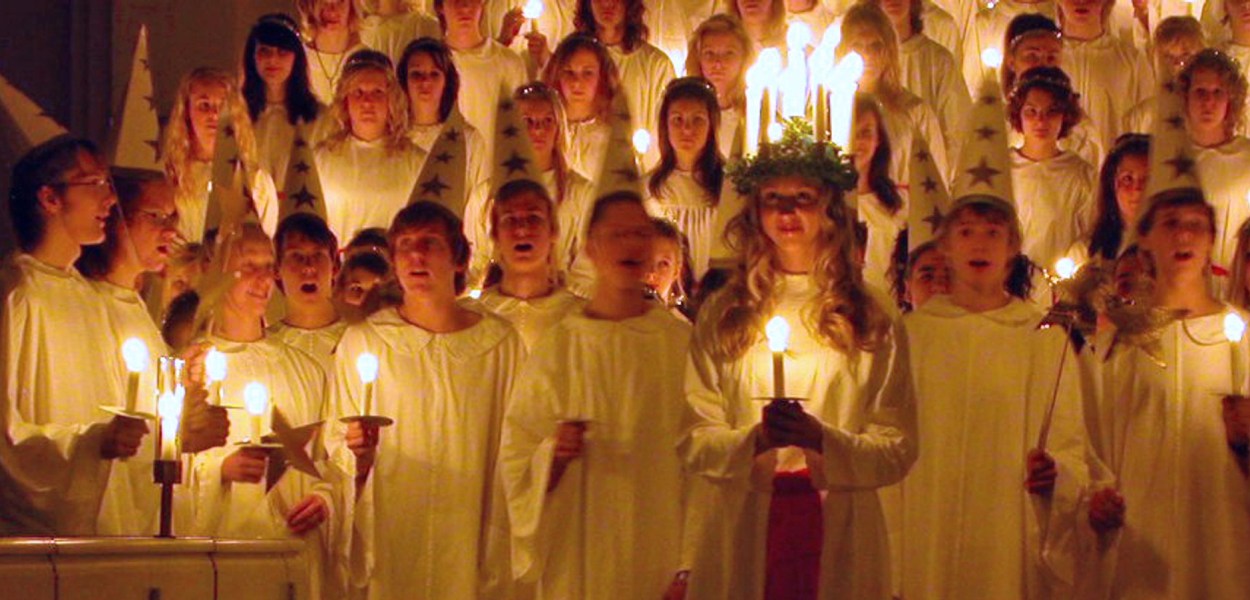
Saint Lucy’s Day, also called the Feast of Saint Lucy, is a Christian feast day observed on 13 December. The observance commemorates Lucia of Syracuse, an early-4th-century virgin martyr under the Diocletianic Persecution,who according to legend brought food and aid to Christians hiding in the Roman catacombs, wearing a candle lit wreath on her head to light her way and leave her hands free to carry as much food as possible. Her feast day, which coincided with the shortest day of the year prior to calendar reforms, is widely celebrated as a festival of light. Falling within the Advent season, Saint Lucy’s Day is viewed as a precursor of Christmastide, pointing to the arrival of the Light of Christ in the calendar on Christmas Day.



 Michael Walsh Stories and Books
Recent Comments