Category: Ethnic traditions

Vertep

Vertepny theater is a Christmas performance by means of a puppet show, sometimes also with the participation of human actors. It was distributed mainly on the territory of Poland, Ukraine, Belarus, in some regions of Russia. A nativity scene in this case is also called Vertep is a special box in which a puppet show is shown.

Twelfth Night (holiday) – January 5

Twelfth Night (also known as Epiphany Eve) is a festival in some branches of Christianity that takes place on the last night of the Twelve Days of Christmas, marking the coming of the Epiphany. Different traditions mark the date of Twelfth Night as either 5 January or 6 January, depending on whether the counting begins on Christmas or 26 December.

Dia de Los Reyes Magos (Three Kings’ Day) – January 6

January 6th is a very important holiday in Spain as the entire country celebrates the Epiphany, or Dia de Los Reyes Magos. On the eve of Epiphany (January 5th), every city, town, and village prepares for the arrival of the Three Kings of the Orient by organizing various processions and fiestas, including the famous La Cabalgata de los Reyes Magos, an exciting parade and a cultural experience in its own right.

Christmas traditions in Ireland

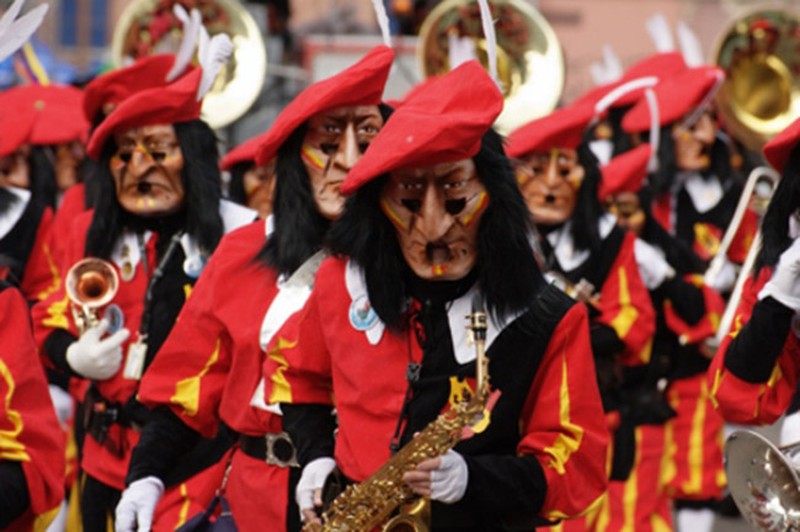
Wren Day is celebrated on 26 December, St. Stephen’s Day in a number of countries across Europe. The tradition consists of “hunting” a fake wren and putting it on top of a decorated pole. Then the crowds of mummers, or strawboys, celebrate the wren (also pronounced wran) by dressing up in masks, straw suits, and colourful motley clothing. They form music bands and parade through towns and villages. These crowds are sometimes called the wrenboys.

Nativity scene

In the Christian tradition, a nativity scene (also known as a manger scene, crib, crèche (/krɛʃ/or /kreɪʃ/), or in Italian presepio or presepe) is the special exhibition, particularly during the Christmas season, of art objects representing the birth of Jesus. While the term “nativity scene” may be used of any representation of the very common subject of the Nativity of Jesus in art, it has a more specialized sense referring to seasonal displays, either using model figures in a setting or reenactments called “living nativity scenes” (tableau vivant) in which real humans and animals participate. Nativity scenes exhibit figures representing the infant Jesus, his mother, Mary, and her husband, Joseph.