
The Fêtes de Saint-Nicolas return to Nancy from November 19, 2021, to January 2, 2022. 40 days of festivities with, as a highlight, the Saint-Nicolas Weekend on December 4 and 5.
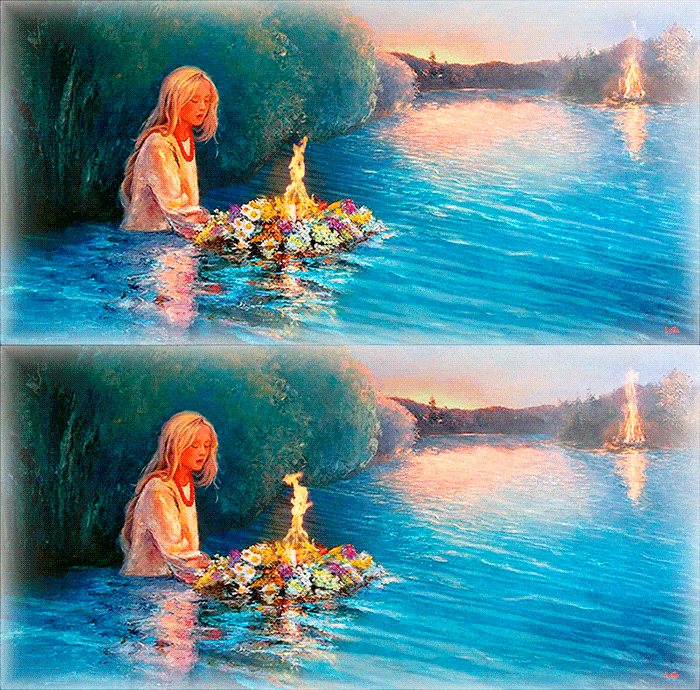
The summer solstice, known also as midsummer, will be celebrated on 20 June. It marks both the longest day and the shortest night of the year and is technically the official start of summer. It’s also one of Europe’s most celebrated and magical evenings, associated with St. John the Baptist but also with Pagan rituals.

More than one million people and close to one hundred different religious associations enjoy the wonderful festive atmosphere of this pilgrimage to the village of El Rocío.
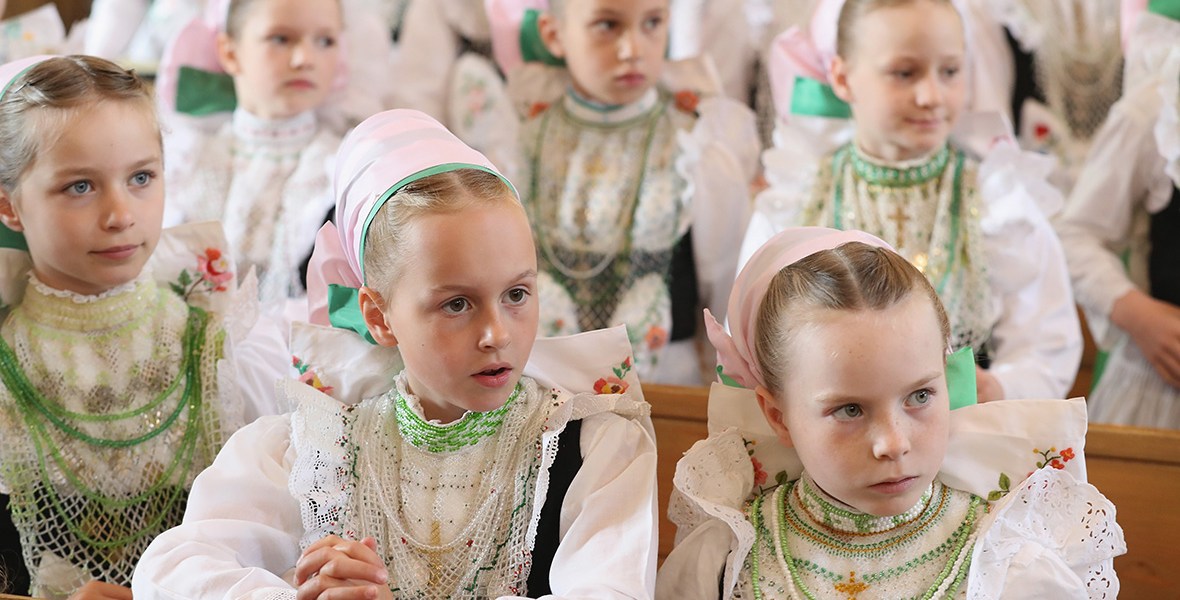
Catholics across the world are taking part in colourful processions, as they celebrate Corpus Christi. The holy day symbolises their belief in the body and the blood of Jesus Christ, and his Real Presence in the Eucharist.
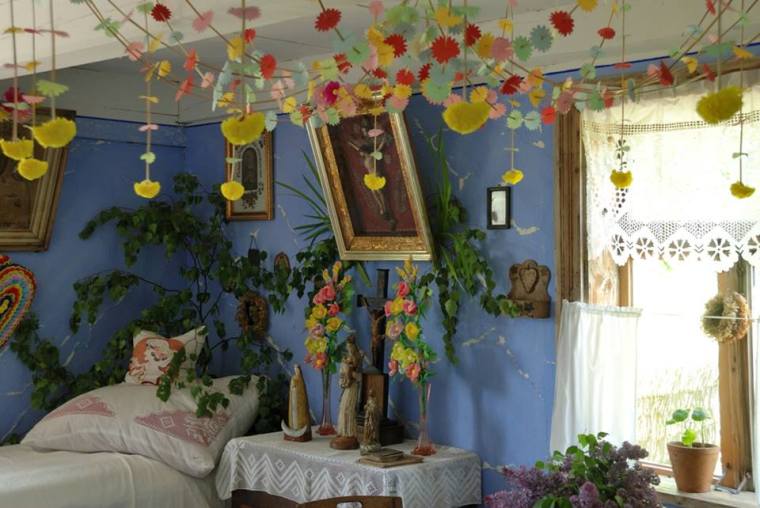
The feast of Green Week (Zielone Świątki) is celebrated in Poland around mid-May towards early June – it’s syncretized with the movable celebrations of Pentecost that starts 50 days after Easter. These festivities show many elements of pre-Christian Slavic spring rituals. 2021 date: May 23 / June 20 (Eastern).
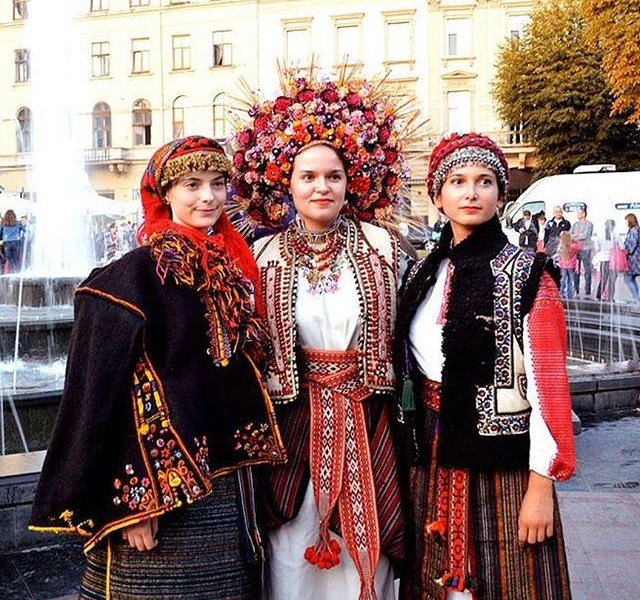
When talking about burnout, the question arises: what about our great-grandmothers? Many women had 8-10 children, there were the household chores far more arduous than today. Then there was the cattle to look after, constant hard work, eternal lack of sleep, drinking often or missing husband and never a chance of vacation on the beach. How did they all not burn out?
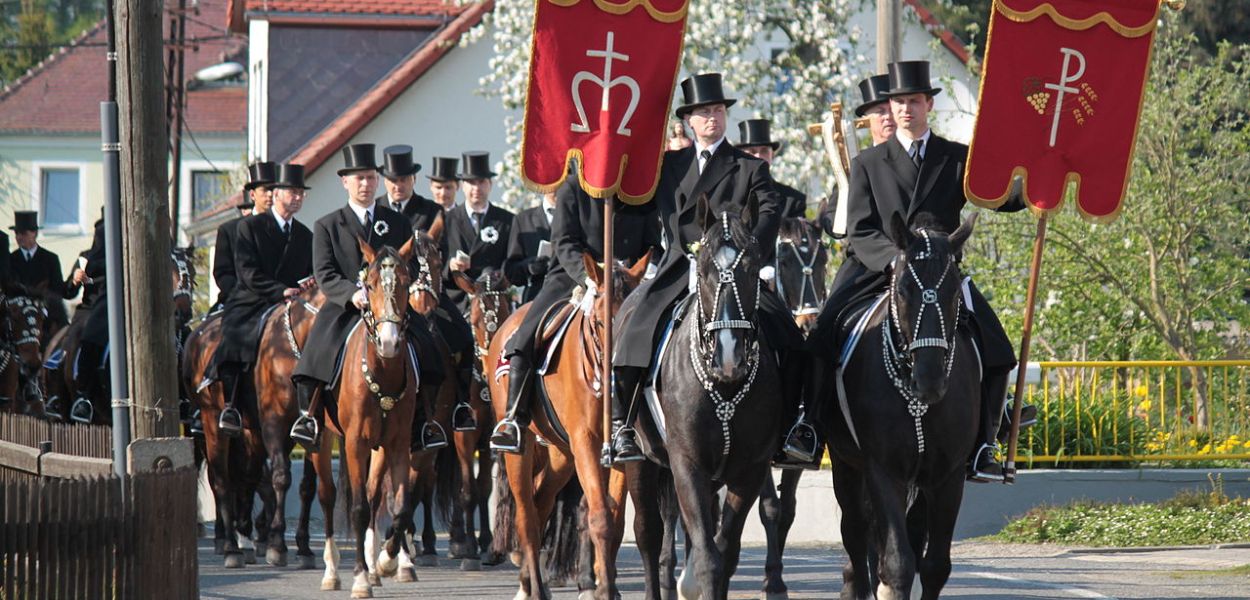
The Osterreiten or Osterritt ( SorbianJutrowne jěchanje ; synonym cross riding ) is an old religious rituals in the form of a procession in which the resurrection of Christ is proclaimed. It is still cultivated as a Sorbian custom in the Catholic part of Upper Lusatia . There are also Easter horseback processions in Old Bavaria and Franconia , in Upper Silesia , North Bohemia and Moravia.

Siuda Baba, a person appearing on the Easter Monday in only a few villages in southern Poland, is a great example of how bits of the informations about the old religions and customs were carried on by rural communities over the long centuries and how they survived in a form of local folklore traditions.

The tradition most likely goes back to the 14th century, but it likely also has pre-Christian origins connected to the March equinox and the coming of spring – water being a symbol of life and renewal. Similar traditions can be found all around Central and Eastern Europe, with Поливаний понеділок (Watering Monday) in Ukraine, Oblévačka in Czech, Oblievačka in Slovak and Vízbevető in Hungary. It’s also known as ‘Dyngus Day’ in Polish communities outside Poland.

Orthodox Christians in Greece, Russia, Bulgaria, Ukraine, and other countries around the world celebrate Orthodox Easter or Pascha.




 Michael Walsh Stories and Books
Recent Comments