







YOUR HEALTH IS YOUR WEALTH Water’s healing reputation comes from a mix of ancient tradition and modern scientific understanding.
Across cultures and eras, people have used water to ease pain, restore mobility, and calm the mind. Contemporary research now explains why many of these effects occur.
Why Water Has Therapeutic Effects
Water interacts with the body through buoyancy, temperature, pressure, and sensory stimulation.
These physical properties create conditions that reduce strain, improve circulation, and support both physical and emotional recovery.
Key Mechanisms
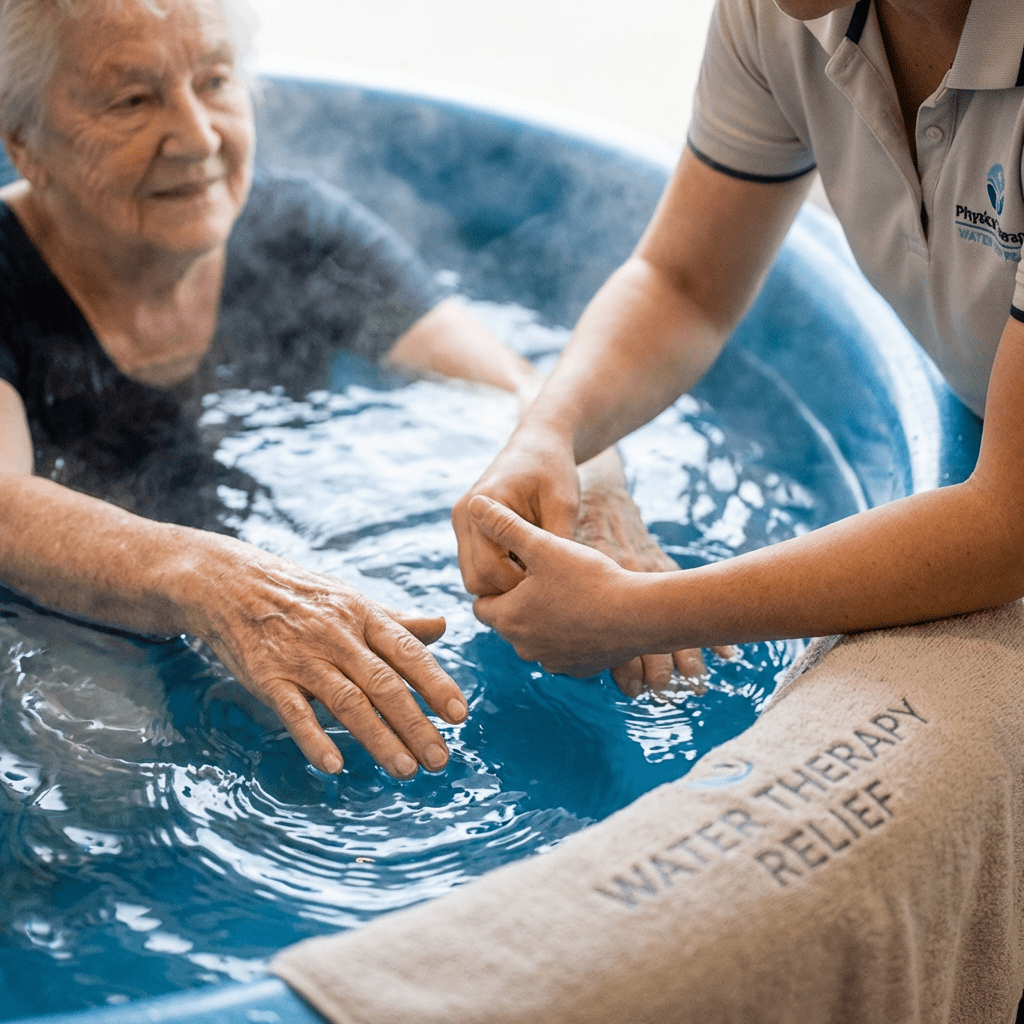
Buoyancy reduces load on joints, allowing movement with less pain and stress. This is especially helpful for arthritis, injury recovery, and mobility limitations.
Hydrostatic pressure improves circulation, supporting venous return, reducing swelling, and enhancing nutrient delivery to tissues.
Thermal effects influence pain and inflammation
Warm water relaxes muscles, increases blood flow, and reduces pain perception. Cooler water can reduce inflammation and provide analgesic effects.
Sensory immersion reduces stress, activating the parasympathetic nervous system and promoting emotional balance.
Documented Benefits
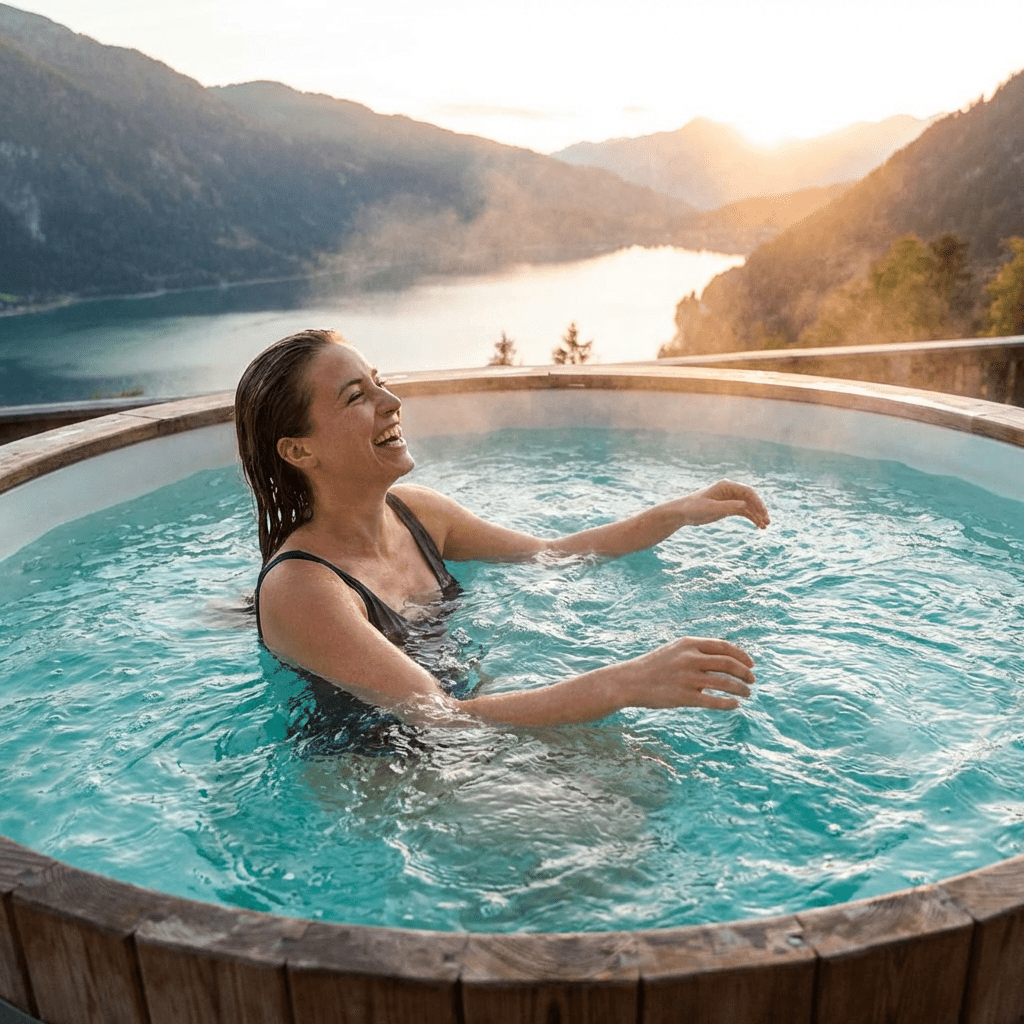
Research and clinical practice highlight several well-supported benefits of hydrotherapy:
Physical Health
Pain relief for arthritis, fibromyalgia, and chronic back pain. Warm water and underwater massage stimulate blood flow and ease discomfort.
Improved mobility and joint function, especially in osteoarthritis, where water-based exercise reduces stiffness and enhances range of motion.
Injury rehabilitation, thanks to low-impact movement and resistance that strengthens muscles without overloading them.
Mental and Emotional Well‑Being
Stress reduction and mood elevation, supported by the calming sensory environment and warm temperatures.
Enhanced sleep quality, often linked to muscle relaxation and lowered stress levels.
A Long History of Healing
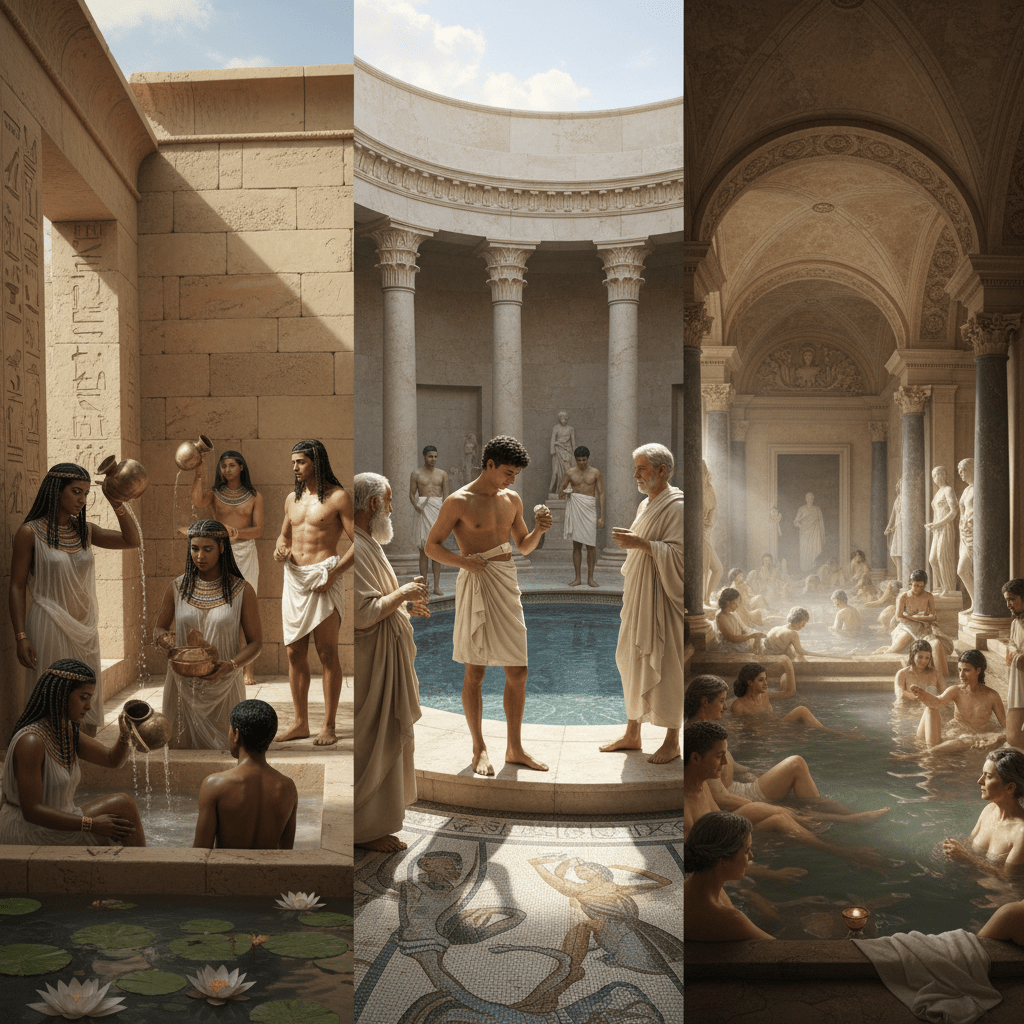
Water therapy is not new. Ancient Egyptians, Greeks, and Romans used hot baths, cold plunges, and steam rooms for healing and vitality.
Roman thermae served as social and therapeutic centers, using mineral-rich waters for rejuvenation.
19th‑century pioneers like Sebastian Kneipp revived hydrotherapy with cold-water treatments and compresses, laying the foundation for modern practice.
What Modern Science Confirms
Contemporary research supports many traditional claims: Hydrotherapy has been shown to affect circulation, pain modulation, inflammation, and muscle relaxation.
Water-based exercise programs show measurable improvements in pain, function, and quality of life for chronic conditions.
Aquatic environments provide a unique therapeutic setting that blends physical rehabilitation with mental resilience training.
Putting It All Together
Water’s healing power is not necessarily mystical; it is also physical, psychological, and deeply human.
Hydrotherapy has endured through the ages because it supports the body. It also soothes the mind and facilitates recovery. This explains why it has remained popular from ancient bathhouses to modern rehabilitation centers.

THANK YOU FOR SHARING OUR STORIES ON SOCIAL MEDIA. TELL OUR READERS WHAT YOU THINK
CLICK PICTURE TO GO FROM BURN OUT TO CHILL OUT WITH A GOOD BOOK https://michaelwalshbooks.wordpress.com/


Share this:

Categories: Health



 Michael Walsh Stories and Books