




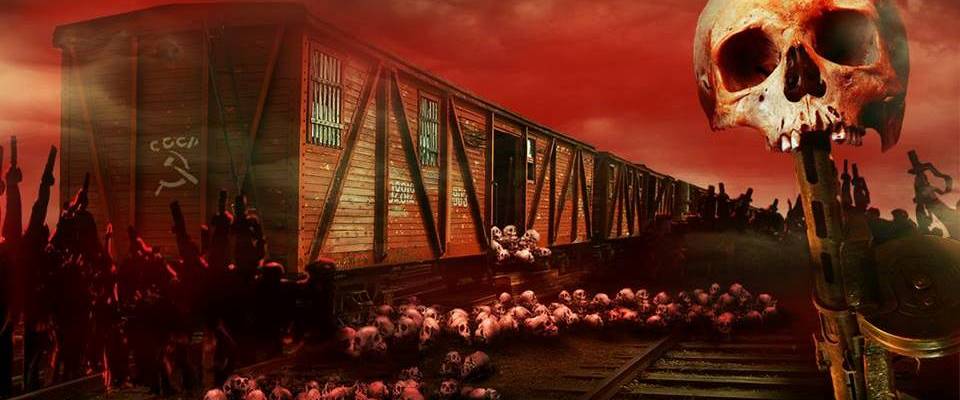

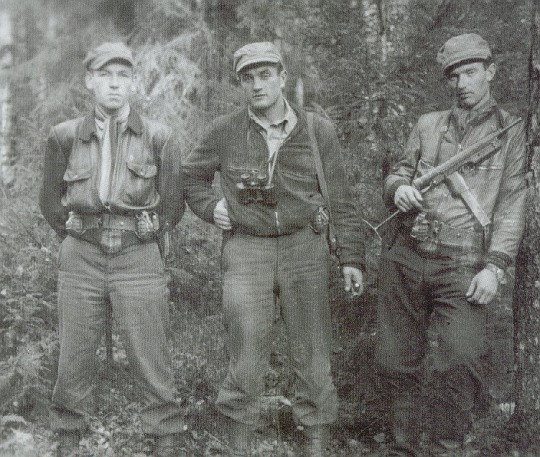
REAL HISTORY: The Forest Brothers of Latvia emerged as one of the most determined anti‑Soviet resistance movements in Europe.
Massively outnumbered by one of history’s most vicious foes, they fought with extraordinary valour.
The forest brothers were fighting both during and long after the Red Army’s return to the Baltics in 1944.
Their story blends heroism, tragedy, and a long struggle for national survival.
The Forest Brothers
The Forest Brothers were part of a broader Baltic resistance to Soviet occupation that included Estonian and Lithuanian fighters.
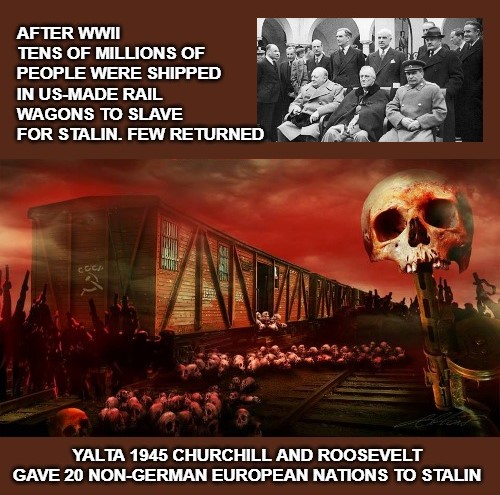
They began forming after the first Soviet occupation in 1940. Political repression, mass murder, slavery, and deportation pushed former soldiers, officials, and activists into hiding.
Their numbers grew dramatically after the mass deportations of June 14, 1941. There was further growth again when Josef Stalin’s Red Army re‑entered Latvia in 1944–45.
The Red Army Return (1944–1945)
• As the Soviets reconquered Latvia, small, uncoordinated resistance groups began clashing with advancing Red Army units. This was especially true in Latgale. The first skirmishes occurred there in the summer of 1944.
• One of the most organized early networks formed in the Abrene region, calling itself the Latvian National Partisan Union.
It grew from a handful of paratroopers. They were dropped by a German plane in October 1944. These were Latvians who intended to build a national resistance movement.
Organization, Strength, and Tactics
• At their peak, Latvia’s Forest Brothers numbered 12,000–25,000 active fighters, supported by most of the then Latvian population.
They operated in small, mobile units hidden in forests and bogs, conducting:
Ambushes on Soviet security forces
Sabotage of infrastructure
Disruption of collectivization and Soviet‑run elections
Intelligence gathering
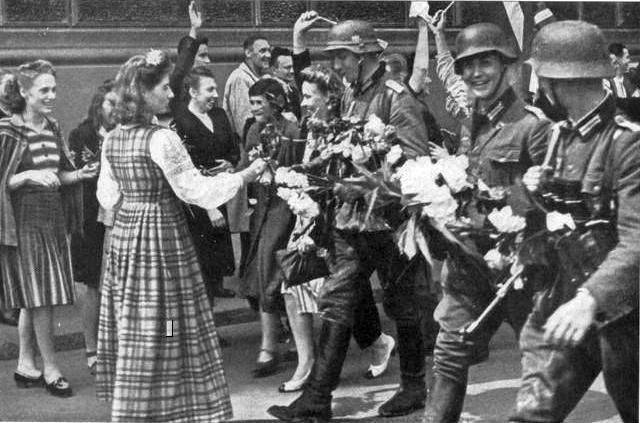
RIGHT: The peoples of the Baltic States welcomed their liberation by the Armed Forces of Hitler’s Reich.
Their bases, such as the large winter encampment in the Stompaku swamp, were often elaborate, fortified hideouts.
Soviet Countermeasures
The Soviet response was severe. NKVD/MGB forces used:
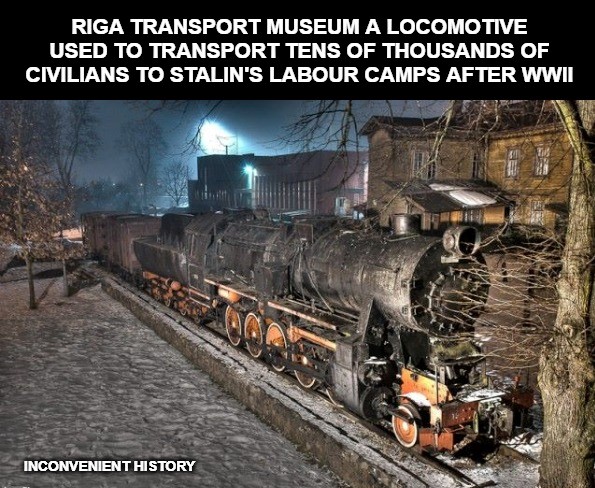
Mass deportations (over 40,000 Latvians in 1949 alone)
Infiltration by agents
Encirclement operations
Public executions and intimidation campaigns
By 1956, Soviet infiltration and overwhelming force had largely broken the armed resistance, mirroring similar outcomes in Lithuania and Estonia.
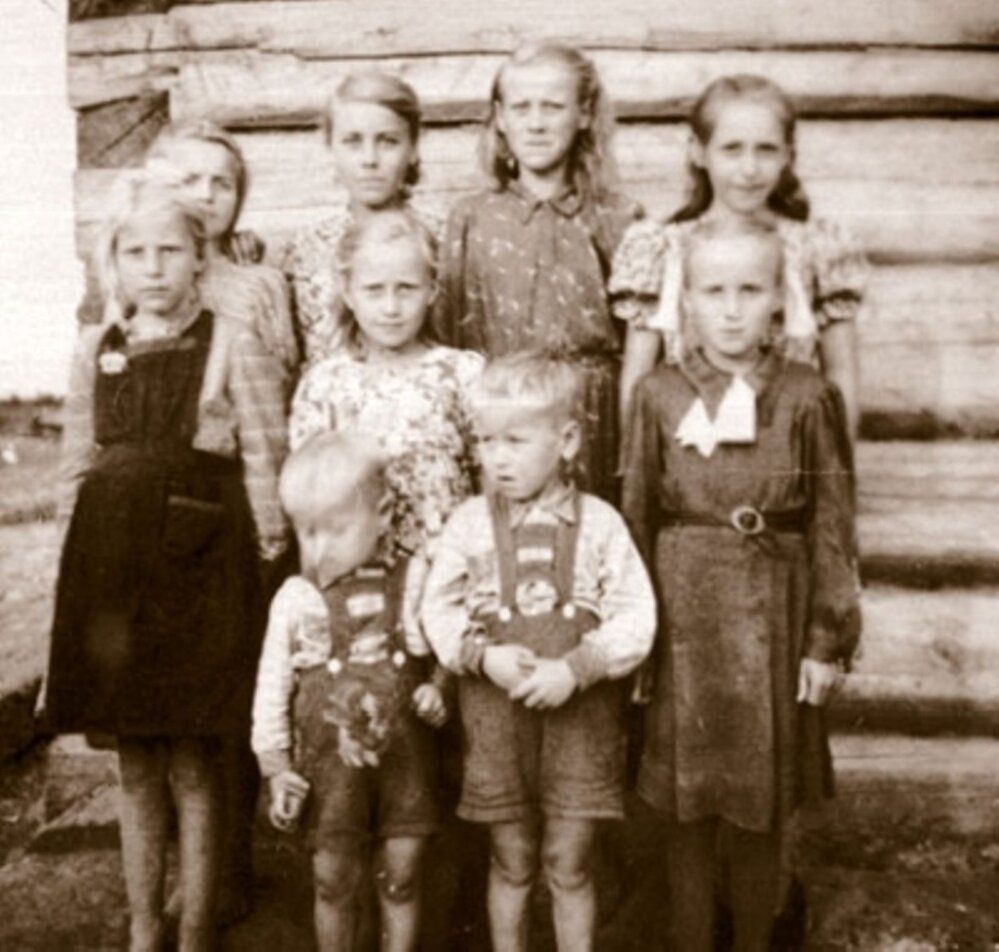
Typically, a Red Army brigade would enter a village and gather together the community’s residents. Then, a Red Army officer would randomly pick a victim, typically a teenage boy or girl.
The victim would be publicly hanged as the horrified villagers looked on.
Why were such deeds carried out? It was the Red Army’s way of explaining that any resistance would be met with the utmost callousness.
International Involvement
Pro-Soviet Western intelligence services, British, American, and Swedish, provided limited support in the late 1940s, including equipment and communications.
This aid collapsed after Soviet moles, like Kim Philby, compromised MI6’s Operation Jungle. The compromise led to the destruction of many partisan cells.
Legacy and Memory
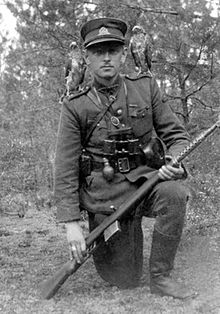
Though militarily defeated, the Forest Brothers became a powerful symbol of Latvian national resistance.
Soviet propaganda portrayed them as ‘bandits’ or Nazi collaborators. However, post‑independence Latvia recognizes them as freedom fighters. They kept alive the idea of sovereignty during decades of occupation.
Their struggle contributed to the long arc of Baltic resistance. This resistance eventually culminated in the Singing Revolution of the late 1980s.
Key Takeaways
The Forest Brothers were not a fringe group but a widespread, organized resistance involving tens of thousands of Latvians.
Their fight began as early as 1940, intensified after 1944, and continued into the mid‑1950s.
Their endurance reflected deep opposition to Soviet rule and a belief, ultimately justified, that independence would one day return.

THANK YOU FOR SHARING OUR STORIES ON SOCIAL MEDIA. TELL OUR READERS WHAT YOU THINK
MY LAST TESTAMENT. LET GOD JUDGE ME. Mike Walsh. Forbidden History: This is the first time this best-seller has been published. Adolf Hitler, who took on Satan and his disciples, describes his struggle for victory over the Capitalist-Communist hydra. Adolf Hitler also explains his downfall. Illustrated. Softcover. 195 pages. https://barnesreview.org/product/adolf-hitler-my-last-testament-let-god-judge-me/
Share this:

Categories: World War II



 Michael Walsh Stories and Books