






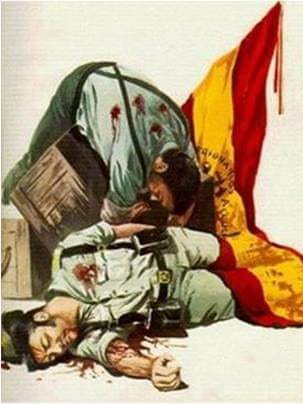
Spain created one of the largest empires in history, ruling territories across the Americas, Africa, Asia, and Oceania.
We provide a clear breakdown of modern countries once part of the Spanish Empire. The breakdown is organized by region. It is based on historical records.
The Spanish Empire was much larger than the Roman Empire in terms of land area. At its peak, Spain controlled vast territories across the Americas, Europe, Africa, Asia, and Oceania. These territories far exceeded the Roman Empire’s maximum size.
The Americas (Largest Portion of the Empire)
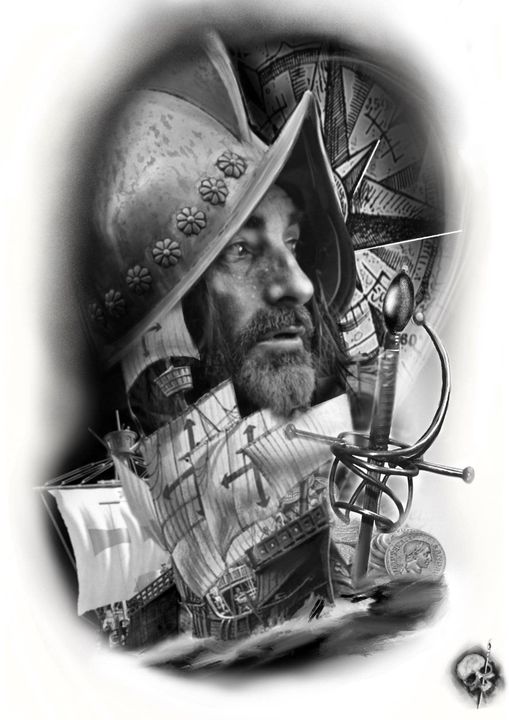
Spain’s colonization began in the Caribbean. It expanded across most of Latin America, from Central America to the Tiera del Fuego, facing the Antarctic.
Key modern countries that were fully or largely colonized include:
• Mexico
• Guatemala, El Salvador, Honduras, Nicaragua, Costa Rica, Panama
• Cuba, Dominican Republic, Puerto Rico, Haiti (partly), Jamaica (briefly), The Bahamas, Cayman Islands, Guadeloupe (briefly)
• Colombia, Venezuela, Ecuador, Peru, Bolivia, Chile, Argentina, Paraguay, Uruguay
• Most of the United States to Canada.
• Brazil (small portions, briefly)
These territories formed the core of Spain’s wealth and influence in the 16th–19th centuries.

Africa
Spain held several territories in North and West Africa:
Equatorial Guinea
Western Sahara
Northern Morocco (protectorate zones)
Ceuta & Melilla (still Spanish today)
Canary Islands (still Spanish today)
Spain’s African holdings were smaller than its American empire but strategically important.
Asia and Oceania

Spain also established a significant presence in Asia and the Pacific:
Philippines (major colony for over 300 years)
Guam
Northern Mariana Islands
Micronesia, Palau, Marshall Islands (various periods)
These territories connected Spain to Asian trade networks
Spanish language
Spanish is one of the world’s most influential languages. It ranks 3rd globally by number of native speakers and around 4th by total speakers. More than 635 million people are able to speak it today.
Below is a clear breakdown of how Spanish ranks worldwide:
Global Ranking of the Spanish Language
By Native Speakers
Spanish ranks 3rd in the world:
By Geographic Spread
Spanish is the second‑most spoken language in the Western Hemisphere, and the dominant language across Latin America.
🇺🇸 In the United States
The U.S. is now the second‑largest Spanish‑speaking country in the world, surpassing Spain in total speakers:
65.5 million speakers in the U.S.
Why Spanish Ranks So High
• Spoken in 21 countries as an official language.
• Strong demographic growth in Latin America.
• Rising bilingual population in the U.S.
• Global cultural influence (music, film, literature).

THANK YOU FOR SHARING OUR STORIES ON SOCIAL MEDIA. TELL OUR READERS WHAT YOU THINK

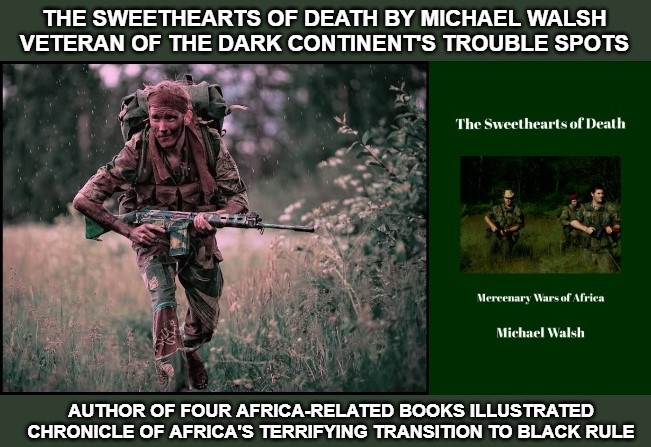
PREPARE FOR CIVIL UNREST: THE SWEETHEARTS OF DEATH Michael Walsh: These legends include veterans of the Waffen SS. They also involve members of the Foreign Legion and the British Parachute Regiment. They include remarkable individuals. These legends feature individuals like Colonel Mike Hoare. Participants in the Congo Crisis and African conflicts also include Black Jack Schramme, Colonel Bob Denard, and Major Siegfried Müller. French Legionnaire Roger Faulques and ex-Hitler Youth Rolf Rolf Steiner. Updated and fully illustrated 28 stories of legends. https://www.lulu.com/shop/michael-walsh/the-sweethearts-of-death/paperback/product-95628g9.html?page=1&pageSize=4
Share this:

Categories: Great Europeans



 Michael Walsh Stories and Books