





March 5th marks World Energy Efficiency Day. Saving water and electricity is not only environmentally friendly but also a way to significantly reduce utility bills.
To mark the occasion, we have prepared six practical tips. These tips will help you save on electricity and water bills. They will also make your everyday life more comfortable.
LED instead of incandescent bulbs
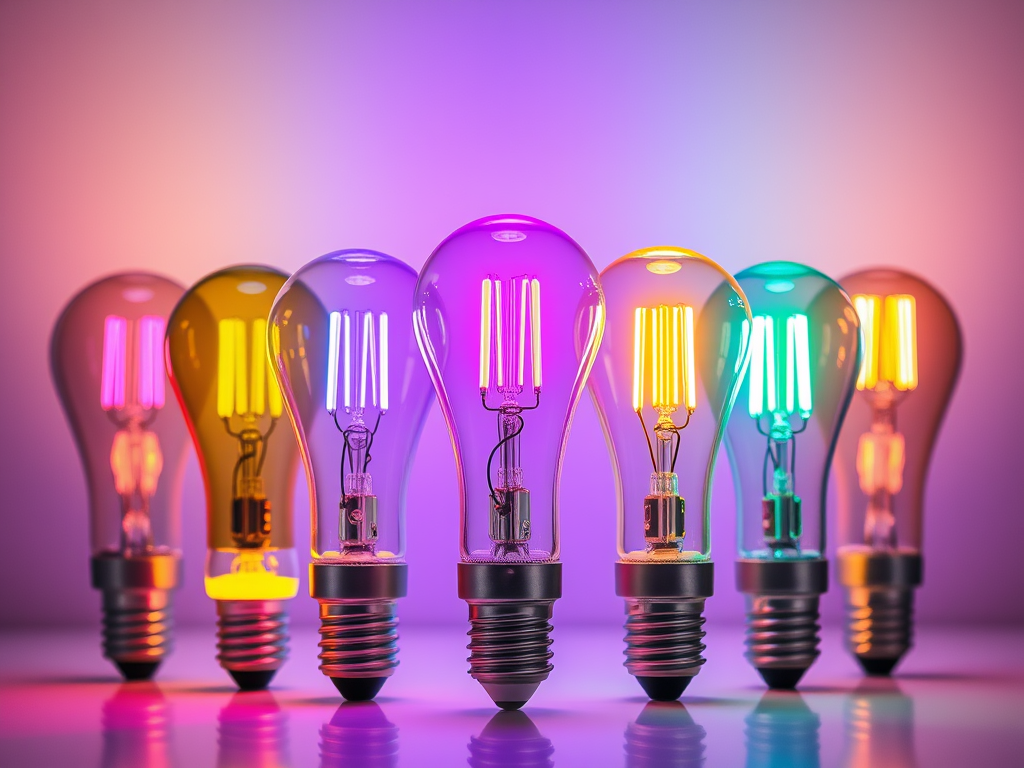
One of the most affordable ways to reduce energy costs is to switch from incandescent bulbs. You can replace them with energy-saving LED bulbs.
Despite their higher initial cost, they consume several times less electricity. For comparison, one 60-watt incandescent bulb is equivalent to one LED bulb with a power of only 8-10 watts.
Moreover, their average lifespan is 20,000 to 50,000 hours. A single high-quality LED bulb can last up to ten years. This eliminates the need for frequent, costly replacements.
Furthermore, LED bulbs generate less heat, making them safer for long-term use. They are also easier to dispose of because, unlike energy-saving fluorescent bulbs, they do not contain mercury.
Today, the market offers LED bulbs with a variety of light temperatures, from warm to cool. This wide selection allows you to choose comfortable lighting for any room.
Aerators for faucets
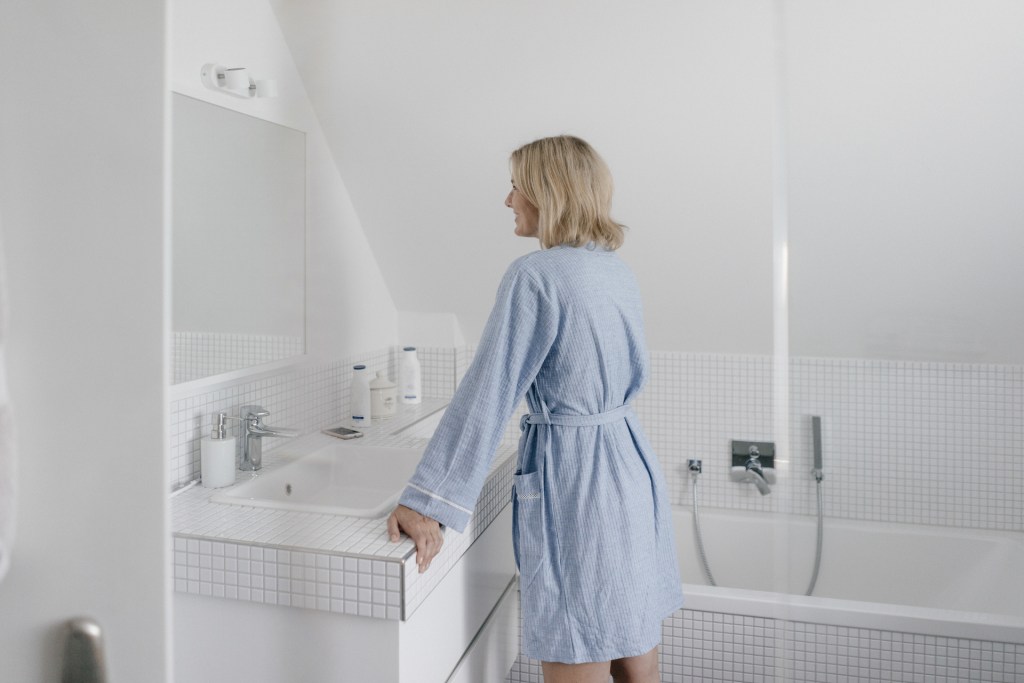
An aerator is a small attachment on a faucet that mixes water with air. The average water consumption with a fully open faucet is approximately 2 liters per ten seconds.
Installing an aerator can reduce this consumption by approximately half. The water visually appears more voluminous due to the mixing with air. In reality, water consumption decreases.
Furthermore, this device improves ease of use, as the water flow becomes softer and more uniform.
Aerators typically come in two types. The first are fixed models. They are included with almost all modern faucets.
These nozzles operate in a single mode and are inexpensive. The second type, movable ones, have multiple modes. These modes allow you to adjust the desired pressure. You can also change the direction of the stream.
However, they are more expensive. Modern economical shower heads work on a similar principle.
Reflective curtains
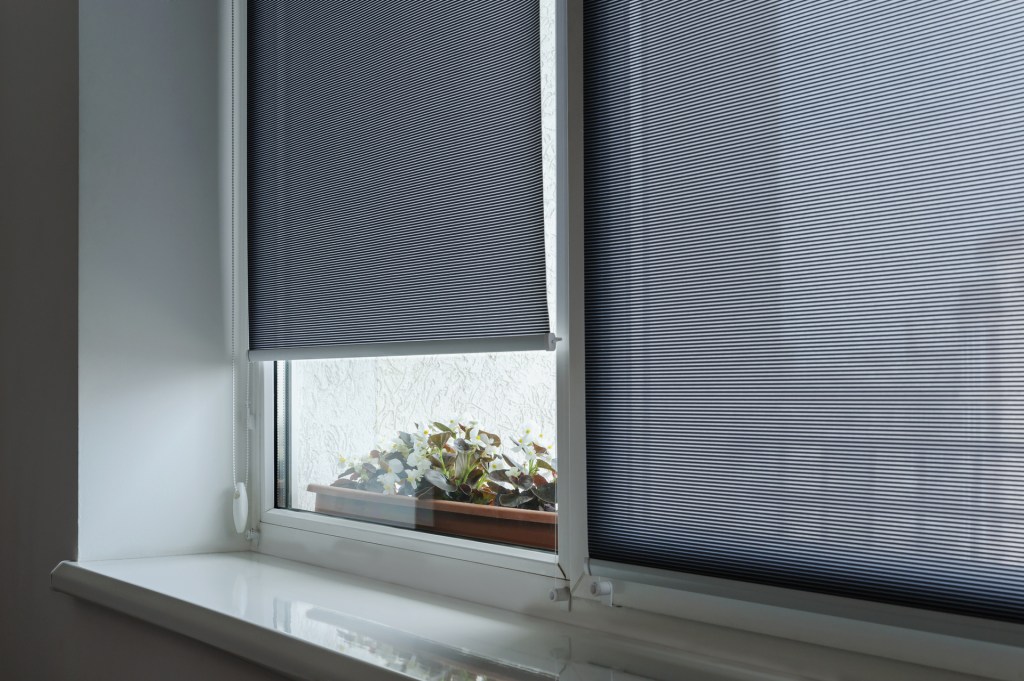
Installing reflective curtains not only creates a comfortable atmosphere in your home but also saves energy.
These curtains act as thermal insulators. Thanks to their additional aluminum coating, they reflect solar heat in the summer. This prevents the room from overheating. In the winter, they retain heat.
Reflective curtains are easily attached to a curtain rod. They create a convenient anti-glare effect for working on a computer or watching TV.
Today, the market offers a wide variety of smart blinds. These include roller blinds, pleated blinds, balcony blinds, blackout blinds, and translucent blinds.
The practicality of translucent blinds is worth noting. They don’t obscure the view from the window. However, they still reliably conceal the room from prying eyes.
Switching off from the socket and extension cords with a button
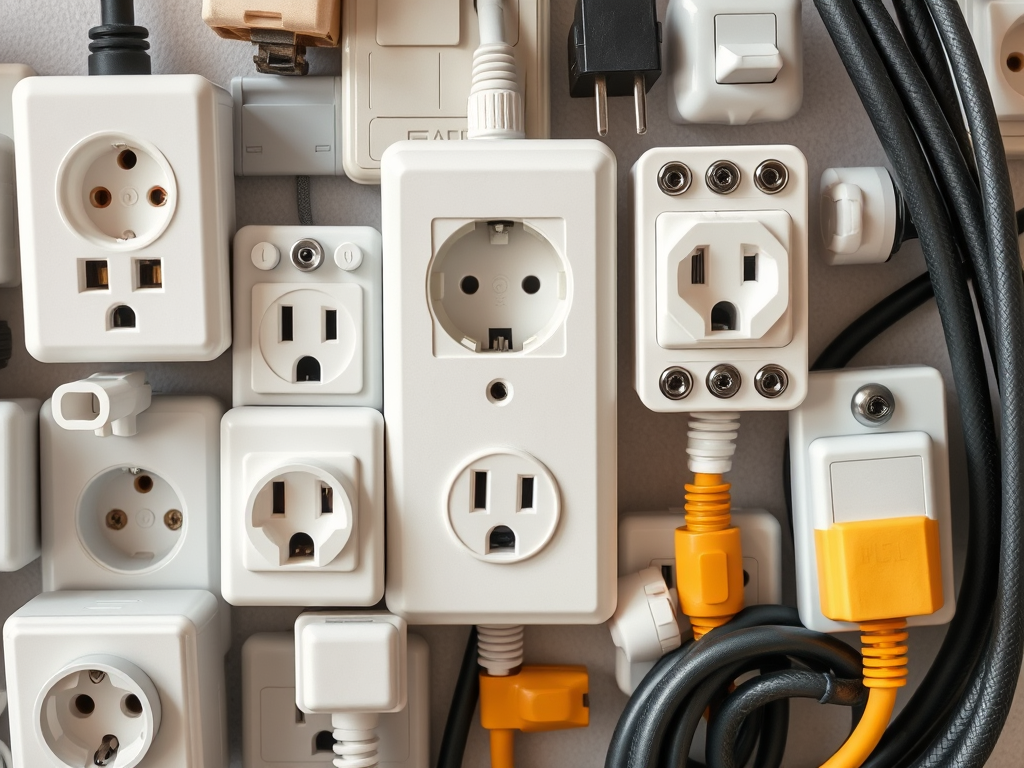
Even in sleep mode, computers, televisions, and other devices continue to consume electricity. This is known as standby mode. In this state, the equipment is not operating but is ready to be quickly turned on.
Standby power consumption can account for up to 10% of total household consumption.
In this case, the simplest way to reduce losses is to completely disconnect the equipment from the power grid. Do this when not in use, for example, overnight.
This measure will also help protect devices from potential power surges.
Another convenient solution is to purchase surge protectors or extension cords with a push-button switch. With one push, you can completely cut off power to several appliances at once.
Rational use
Experts recommend using washing machines and dishwashers only when they’re fully loaded. A washing machine uses an average of 40 to 80 liters of water per cycle.
Running the machine half-loaded leads to fewer items being cleaned. It uses the same amount of water and energy. This approach ultimately requires more cycles.
Temperature settings are also important to consider. Heating water in a washing machine consumes approximately 80% of the energy.
Therefore, switching from 60°C to 30–40°C during washing will significantly reduce energy consumption without compromising quality.
When purchasing new appliances, pay attention to the energy efficiency class. It is indicated in the device’s technical specifications.
It is designated by letters from A to G. Newer models with energy efficiency classes A, A+, A++, and A+++ consume up to 45% less energy than older models.
Leak control and dual flush toilet
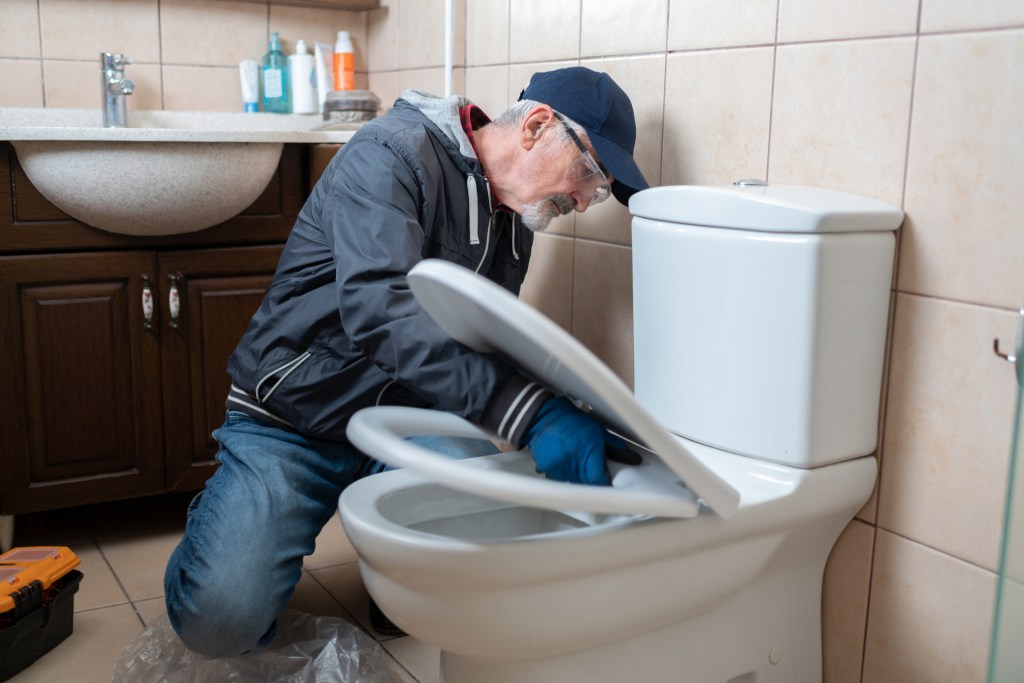
A simple but equally important tip: don’t flush food scraps and other debris down the toilet. This can not only increase water consumption but also lead to clogs and flooding.
Even a minor water leak can cause significant losses. Experts estimate that a dripping faucet can waste up to several liters of water per hour. A leaking toilet can waste up to 10 litres.
To check for a hidden leak, simply turn off all the taps and check the water meter. If it continues to spin, the system needs to be checked.
Promptly replacing gaskets is a relatively inexpensive measure. Repairing the cistern and faucet fittings will also help prevent constant water overuse. These actions are cost-effective.
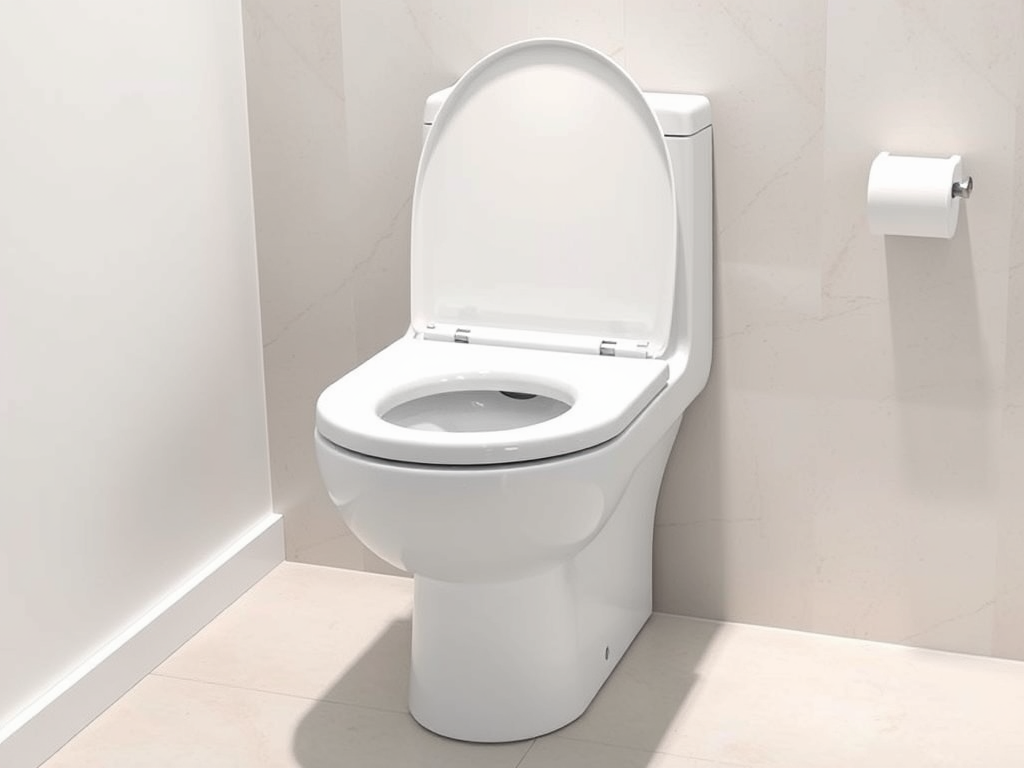
However, if you’re considering replacing your toilet, consider modern cisterns with dual flush buttons. This system allows you to control and choose the flush volume. You can select, for example, 3 or 6 litres based on your needs. Doing so also leads to additional savings.

THANK YOU FOR SHARING OUR STORIES ON SOCIAL MEDIA. TELL OUR READERS WHAT YOU THINK
BOOK SALES FUND OUR NEWS PLATFORM. CLICK THE PICTURE TO ACCESS A NEW GENERATION of illustrated books. These novels make great hand-delivered gifts. They are perfect for family and friends. These include genres Romance, Travel, and Maritime. Novels, Business success, City Vigilante, War, and Culture are also featured. Britain and Europe’s most successful writer is Michael Walsh. https://michaelwalshbooks.wordpress.com/

Share this:

Categories: Family & Parenting



 Michael Walsh Stories and Books