







Liverpool Lou is a modern Liverpool–Irish ballad composed by Dublin-born Dominic Behan (1928-1989).
Its story sits at the crossroads of Liverpool’s maritime culture, Irish migration, and the city’s long folk‑song tradition.
The song became widely known through The Scaffold in 1974–75, with Paul McCartney’s involvement in the recording.
However, its roots go deeper into Behan’s own interest in the shared cultural life of Liverpool and Ireland.
What the song is about
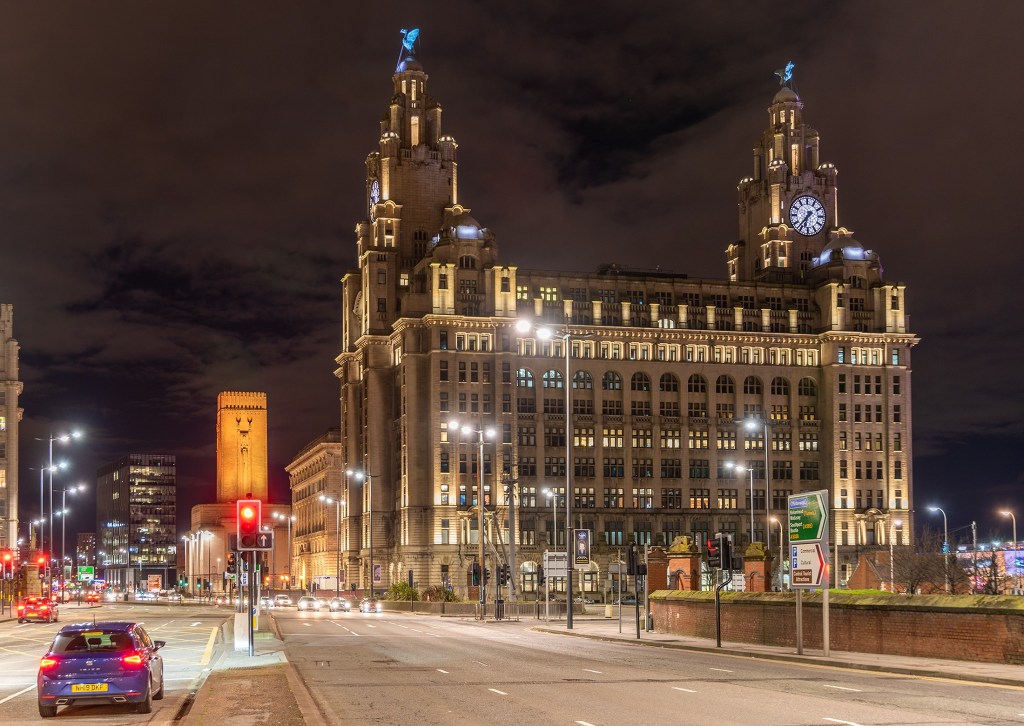
At its heart, Liverpool Lou is a love ballad addressed to a young woman from Liverpool.
The tone is affectionate, nostalgic, and slightly melancholic and echoes the style of older Liverpool terraced street ballads.
It isn’t based on a specific historical figure. Instead, it draws on the archetype of the Liverpool girl. She is spirited, warm, and tied to the city’s working‑class identity.
Dominic Behan wrote it as part of his broader work. He explored the cultural links between Ireland and Liverpool. This was a theme he often returned to.
One source describes it simply as ‘part of the connection between Ireland and Liverpool.’ This connection is rooted in the shared seafaring history between the two places.
Why Dominic Behan wrote it
Dominic Behan (brother of playwright Brendan Behan) was a prolific songwriter deeply engaged with Irish and British working‑class life.
His songs often blended social commentary with traditional folk forms. Liverpool Lou fits into this pattern:
• It reflects the Irish spread in Liverpool, one of the largest outside Ireland.
It uses the cadence and sentiment of traditional Liverpool folk songs, which Behan admired.
• It evokes the maritime identity of the city, where Irish and English cultures mixed freely.
Behan’s authorship is well‑established; multiple sources list him as the songwriter.
How the song became famous
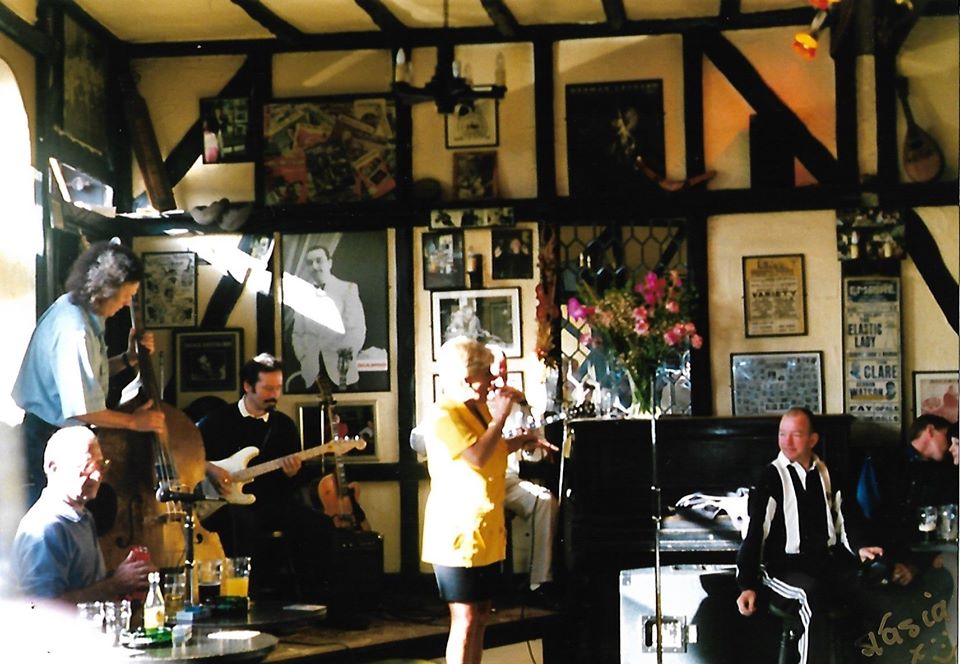
Although Behan wrote it earlier, Liverpool Lou became widely known only in the mid‑1970s:
• The Scaffold (the Liverpool comedy‑folk trio featuring Mike McGear, Paul McCartney’s brother) recorded it in 1974.
Paul McCartney helped arrange and produce the track during the sessions for McGear’s album.
• The BBC requested a song for a TV sketch involving Liverpool actors, prompting McGear to revisit Liverpool Lou.
• The Scaffold’s version became a major hit in 1975, cementing the song in Liverpool’s musical heritage.
This revival also led many to assume the song was much older, as it stylistically resembles 19th‑century Liverpool ballads.
Cultural context: Liverpool’s folk tradition
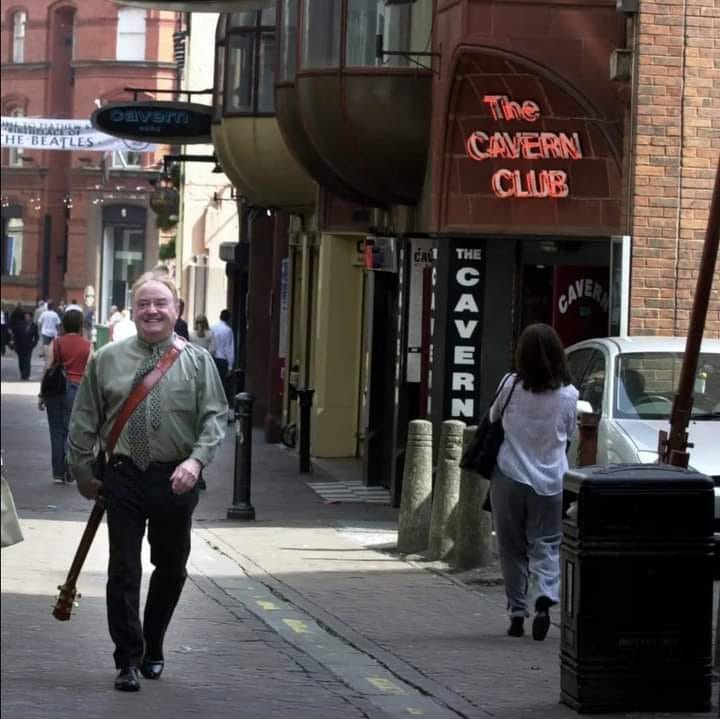
Liverpool has a long tradition of maritime ballads, songs like Maggie May, Whiskey on a Sunday, and Johnny Todd. Many of these songs were shaped by:
sailors passing through the port
• Irish immigrants settling in the city
• street performers and pub singers
• the blending of Irish and English folk styles
Liverpool Lou was written in the 20th century. It deliberately echoes this older tradition. This is why it feels timeless.
How it fits into Behan’s body of work

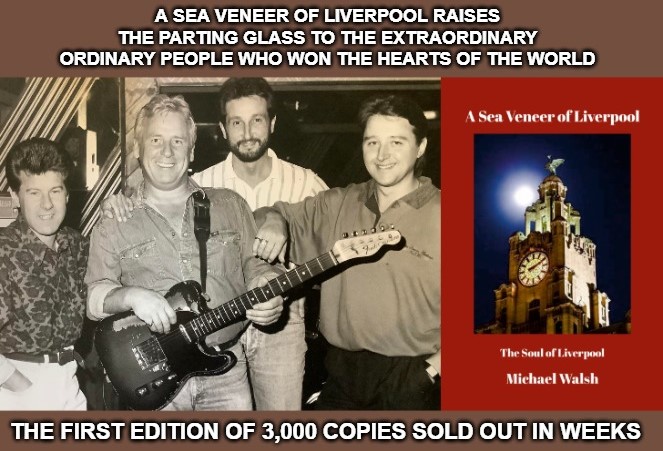
RIGHT: Click the picture to discover more about this best-selling maritime biography.
Dominic Behan wrote many songs about working‑class life, migration, and identity, including McAlpine’s Fusiliers and The Patriot Game. His work often explored:
The dignity of ordinary people
The emotional cost of migration
The humor and resilience of urban communities
Liverpool Lou is one of his gentler, more romantic pieces, but it still carries that sense of place and belonging.
THANK YOU FOR SHARING OUR STORIES ON SOCIAL MEDIA. TELL OUR READERS WHAT YOU THINK

A SEA VENEER OF LIVERPOOL by Liverpool’s ex-mariner Michael Walsh (First Edition sold 3,000 + ). A fascinating, illustrated and story-filled insight into the maritime city, its old pubs, and the personalities of the past. CLICK LINK TO ACCESS DETAILS. https://www.lulu.com/shop/michael-walsh/a-sea-veneer-of-liverpool/paperback/product-jezgky2.html?q=&page=1&pageSize=4

Share this:

Categories: Book Reviews



 Michael Walsh Stories and Books