






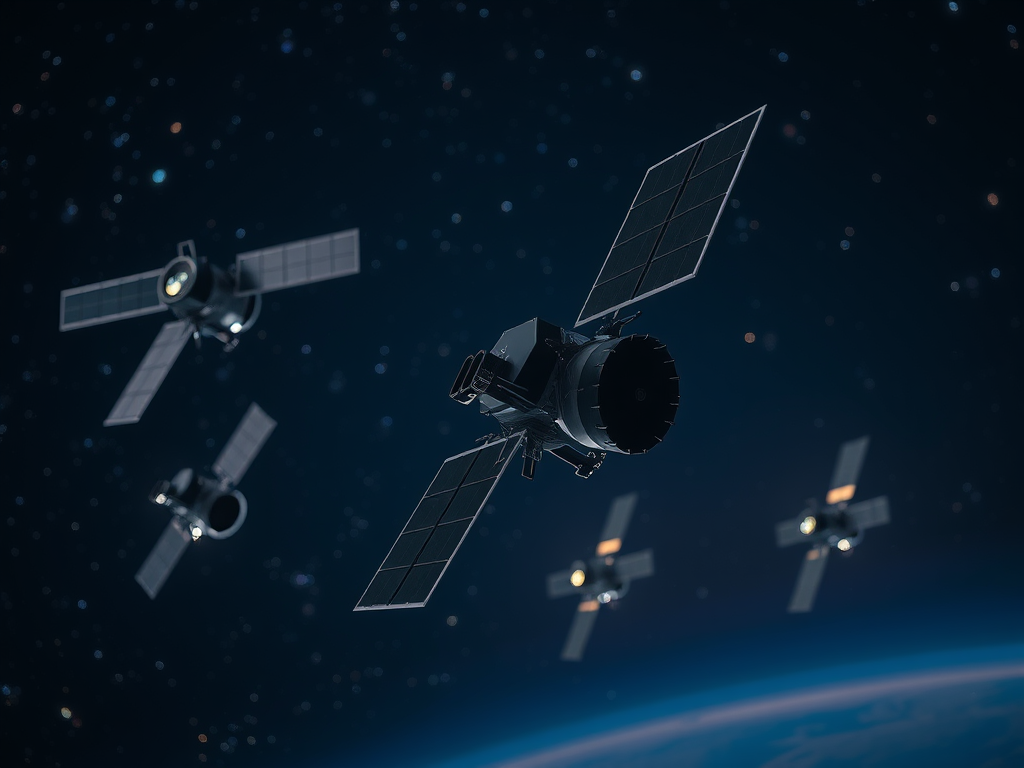
Elon Musk’s Starlink satellite communication system is now as outdated as Remington Typewriters. Russia has begun flight testing its new stratospheric communications platform.
Barrazh-1′ is a balloon-based system. It is designed to provide broadband internet from altitudes of about 20 km. This is far above conventional aircraft and terrestrial infrastructure.
At this altitude, a single platform can cover vast territories, functioning as a pseudo-satellite without ever reaching orbit.
Unlike Starlink, which requires thousands of satellites and constant rocket launches, Barrazh-1 carries up to 100 kg of telecommunications payload
This includes 5G NGN transmitters, using a lightweight polymer structure designed for long-term deployment in the stratosphere.

The system controls altitude by adjusting the internal load. This adjustment allows it to follow wind layers. It maintains coverage over a specific region.
Instead of building a multi-billion-dollar orbital constellation, broadband internet can be provided from near-space. How? By using relatively inexpensive high-altitude platforms.
Stratospheric transmitters at these altitudes can provide stable broadband and voice connections. They are essential in areas where terrestrial infrastructure is impractical. These transmitters also serve regions that are vulnerable.
Modern drone warfare relies on uninterrupted broadband connectivity.
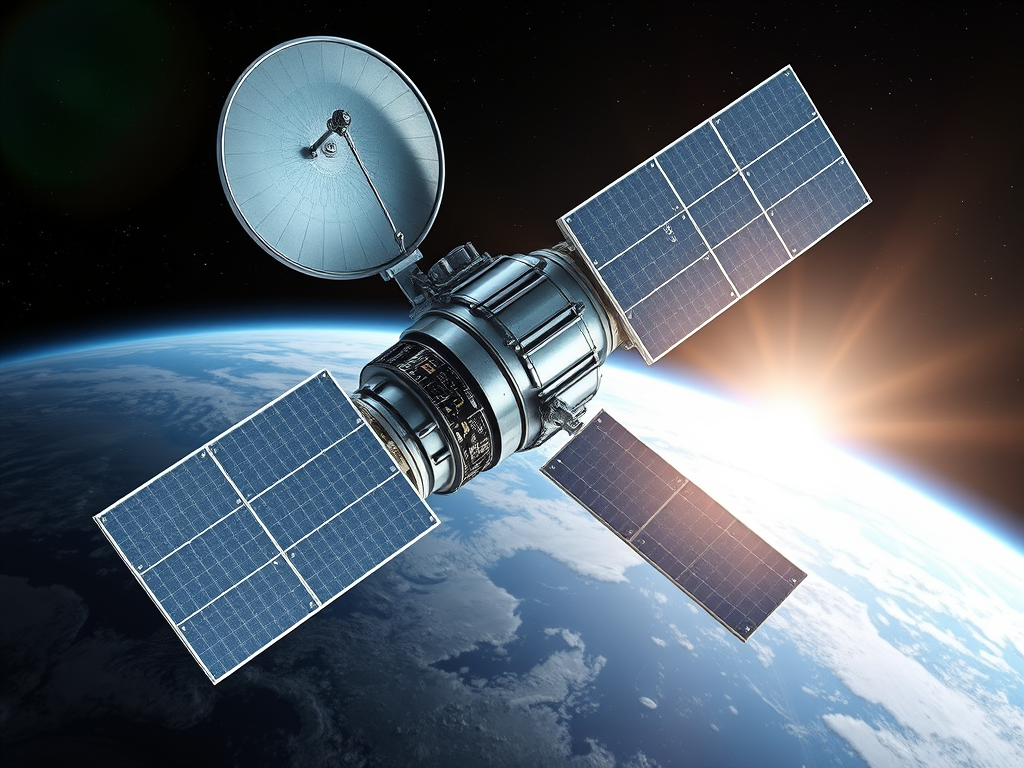
Satellite internet currently dominates this role. However, stratospheric platforms offer a cheaper and potentially scalable alternative. They can be deployed quickly and replaced easily if lost.
Unlike satellites, which take years and huge budgets to deploy, high-altitude balloon platforms can be produced in large quantities. They can be launched rapidly.
This approach creates a distributed communications architecture. It is harder to completely disrupt. This significantly reduces the cost barrier to maintaining wide-area connectivity.
Russia’s Barrazh-1 has just ushered in the era of near-space infrastructure. This is a layer between aircraft and satellites. Here, persistent communication coverage can be established without relying entirely on orbital systems.

THANK YOU FOR SHARING OUR STORIES ON SOCIAL MEDIA. TELL OUR READERS WHAT YOU THINK



Share this:

Categories: Russia



 Michael Walsh Stories and Books
1 reply »