




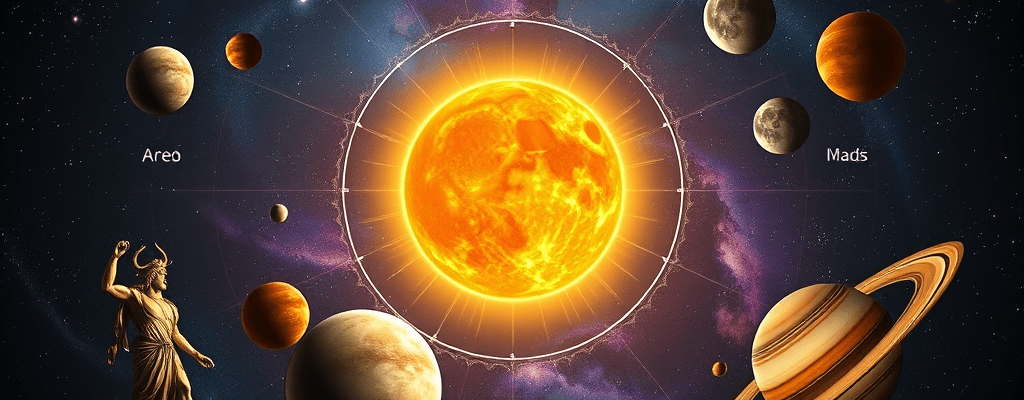

The English language days of the week are named after celestial bodies and mythological figures from history.
A mish-mash of cultures and traditions has had an influence on the naming of the days.
For those of us studying the English language, they provide a fascinating insight into how the language is formed. The English language and its structure offer endless learning opportunities.
English draws upon Ancient Greek, Latin and Germanic languages. These influences can all be seen in the names of the days of the week.
We use them every day without realizing just how much they tell us about our language and history. They serve to show us the similarities between English and so many other European languages.
So, let’s take a look at the seven days of the week and how they came to be named.
Greek and Roman gods
The original order of the days, between the 1st and 3rd centuries, was Sun, Moon, and Ares. After that came Hermes, Zeus, Aphrodite, and Cronos.
These were named after the heavenly bodies. They presided over the first daylight hour of each day, according to Hellenistic astrology.
The planetary week names originated in Greece. They then passed to the Romans. From Latin, these names spread to other languages of southern and western Europe. Later, they influenced other languages.
Why did the Romans name the days of the week after their gods’ names for the planets?
Because they saw a connection between their gods and the changing face of the nighttime sky.
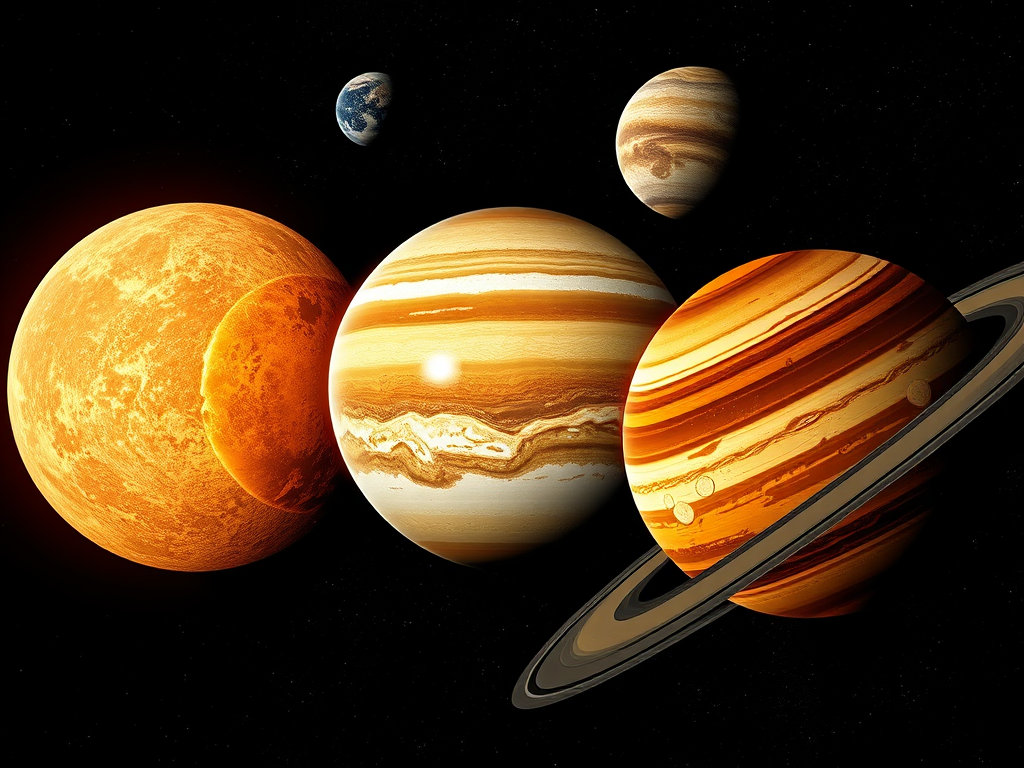
The ones they were able to see in the sky each night were Mercury, Venus, Mars, Jupiter and Saturn.
Those five planets, plus the moon and su,n made seven major astronomical bodies. It was natural to use these seven names when the seven-day week arrived.
Sunday
The first day of the week was named after the sun. It was called dies Solis, meaning day of the sun in Latin. Later, it was known as Sunnon-dagaz in old Germanic. It’s easy to see where the English word Sunday comes from here.
Monday
It’s similarly easy to see where this weekday name originates, too. Monday is the moon day – dies Lunae in Latin, becoming Mon(an)dæg in Old English.
Tuesday
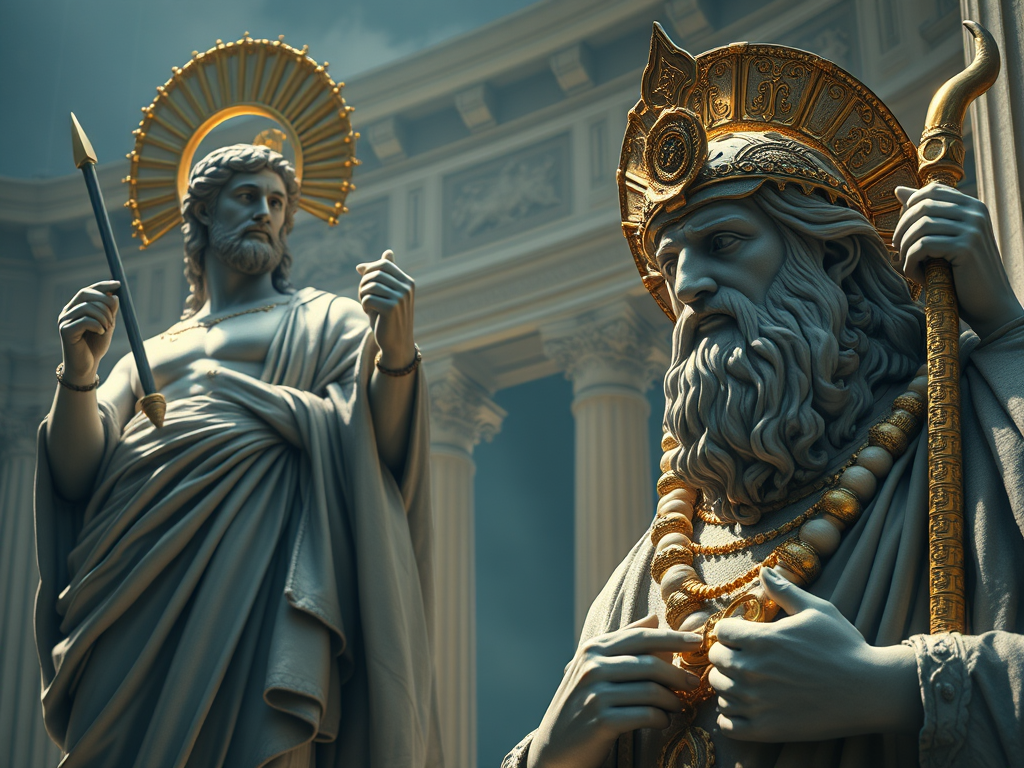
Most English days of the week retain their associations with the Roman gods. However, some days were substituted for the names of the equivalent Germanic gods. This is because English is a Germanic language.
Tuesday was named for the Roman god of war, Mars, so in Latin was known as dies Martis.
The Germanic god of war was known as Tiu. The English day of the week is derived from this Germanic god’s name instead. It was first known as Tiwsday and eventually became Tuesday.
Wednesday
Similarly, the Germanic equivalent of the Roman god Mercury was the equally swift Woden. This day, which started out in Latin as dies Mercurii, became Woden’s day in old Germanic. It eventually became Wednesday in English.
Thursday

Jupiter, also known as Jove, is the supreme Roman god and patron of the Roman state. He is the god that created thunder and lightning.
Thor is the Norse god of thunder, often shown riding through the sky in a chariot. This Norse god influenced the transformation of the Latin dies Jovis (day of Jupiter) into Thor’s day. Eventually, it became Thursday.
Friday
Venus is the Roman goddess of love and beauty, and in Latin her day was known as dies Veneris. We get the English name for Venus’ day from Frigg. She is the Norse goddess of love and the heavens.
It possibly also comes from Fria, the Teutonic goddess of love and beauty. In Germanic we have Frije-dagaz, later becoming Friday in English.
Saturday
We end with an easy one. Saturn is the Roman god of agriculture, known in Ancient Greece as Cronos. In Latin, we have dies Saturni. Saturday today is still very much Saturn’s day.

THANK YOU FOR SHARING OUR STORIES ON SOCIAL MEDIA. TELL OUR READERS WHAT YOU THINK


Share this:

Categories: Ethnic traditions



 Michael Walsh Stories and Books