




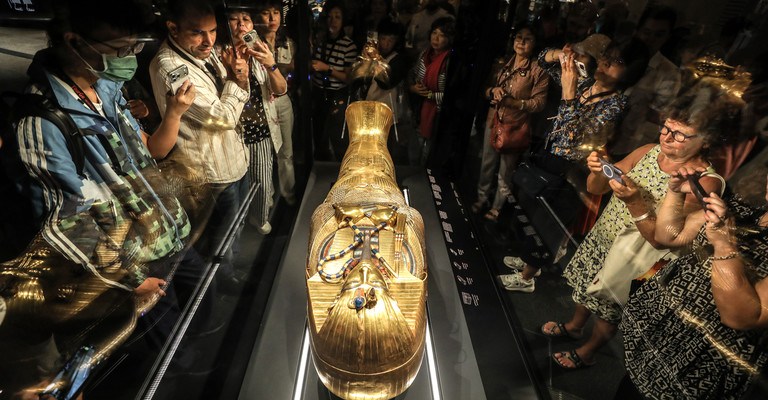

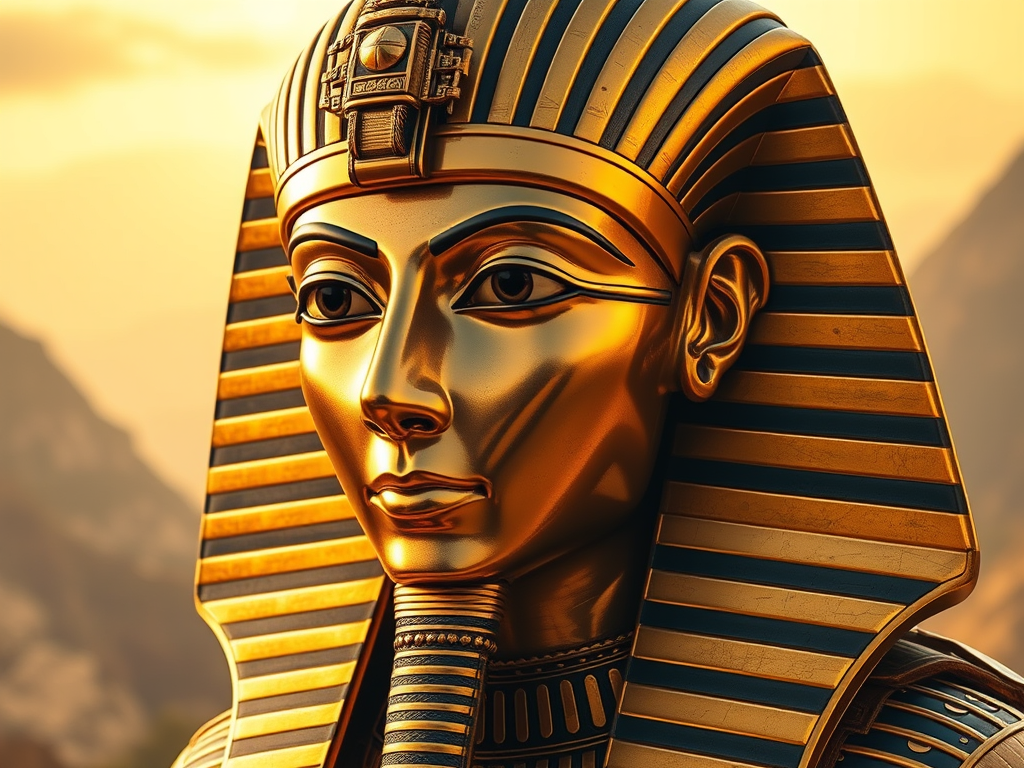
On February 17, 1923, scientists opened the door to the burial chamber of Pharaoh Tutankhamun.
The Egyptian king’s mummy proved a valuable find. It had remained untouched for over three millennia. It was better preserved than other mummies.
The practice of mummification existed in various cultures. The oldest examples are estimated to be 12,000 years old. Experiments in this field continued into the 21st century.
Southeast Asia
The oldest mummies are estimated to be around 12,000 years old.
The mummies were discovered in 2025 in various locations across Southeast Asia: China, Vietnam, Thailand, Laos, Malaysia, and the islands.
Experts believe the bodies were dried over a fire using smoke, effectively smoke-cured. Analysis of the bones revealed that some were exposed to temperatures exceeding 645°C.
Chile
For a long time, the Chinchorro people were believed to have the most ancient surviving mummified bodies. These mummies were found in Chile and Peru.
The mummies were made around 5050 BC, and they attracted the attention of scientists in the early 1980s. Local fishing tribes carried out the mummification. Numerous fishing lines, hooks, and other fishing tackle were found in the burials.
The bodies of the deceased were disembowelled, the bones were bound with reeds and filled with grass and ash.
A glue-like substance made from the blood of sea lions, fish, and bird eggs was also used. A mask was made to preserve the face. At various times, mummies were painted black or red.
The hair was also preserved, creating a wig-like structure. Moreover, the Chinchorros mummified pharaohs and other dignitaries. They also subjected all deceased citizens to this sacred ritual, regardless of age or social status.
Egypt
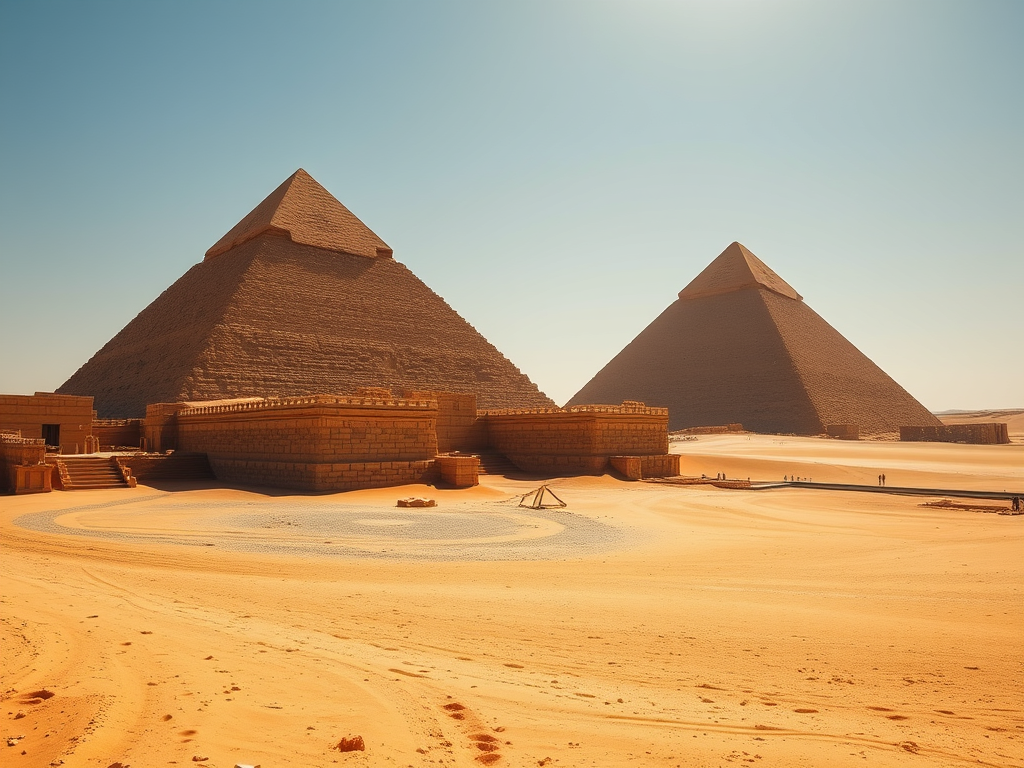
Ancient Egyptian mummies are the most famous. A significant scientific event was the discovery of the mummy of Pharaoh Tutankhamen, who lived in the 14th century BCE.
It was the only intact body preserved until the 20th century. The tombs of Egyptian rulers were plundered. Parts of the mummies were used as medicine.
However, Tutankhamun’s tomb remained intact. After opening the door to the burial chamber on February 17, 1923, scientists were able to assess the mummy itself. They also examined the decoration and funerary paraphernalia.
An ancient Greek historian named Herodotus described this technique. The internal organs were removed from the body and mummified separately. However, the heart was left in place.
Fluids were drawn from the skin and bones using soda powder or a special solution.
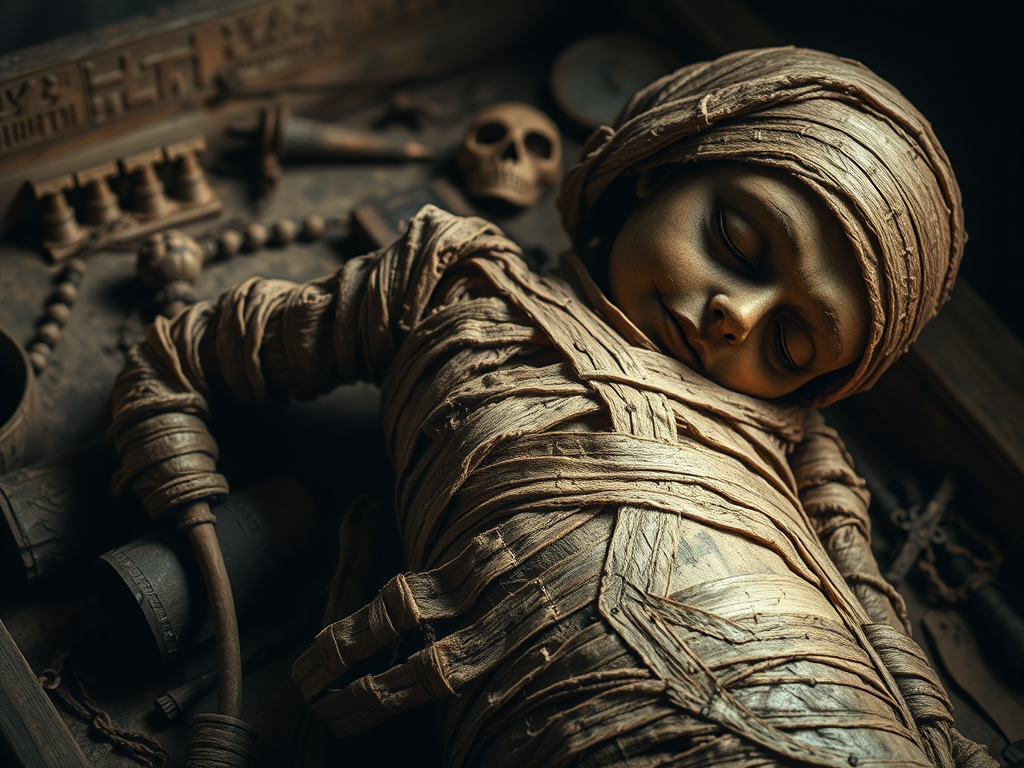
The process took approximately 70 days. The cavities were stuffed with cloth soaked in salt. The body was then treated with oils and resins and wrapped in cloth.
Mummification technology changed over time. The mummy of Hekashepes is an example. It is approximately 4,300 years old. This mummy had no bandages but was covered in thin sheets of gold.
Peru
Mummification was also practiced in Peru. Representatives of the Paracas civilization in the 4th and 3rd centuries BC removed the entrails from the corpse.
The embalmers then restored the volume using wooden blocks or other plant materials. The body was smoked or sun-dried.
The future mummies were probably also doused with seawater; the salt served as a preservative.
The face was smeared with a mixture of clay and resin. The deceased’s knees were pressed to the chin, and the arms were crossed at chest level.
The mummy was bound with ropes and wrapped in several layers of fabric. The Paracas were skilled weavers, producing vibrant and durable dyes, and their burial cloaks were luxurious.
United Kingdom
The practice of mummification continued into modern times. The renowned philosopher and economist Jeremy Bentham, who died in 1832, bequeathed his body to science.
He ordered it to be mummified and displayed at University College London. He hoped to set an example for other potential donors.
The body remains in a special cabinet. The head has been replaced with a wax one. The real head is kept separately.
Japan
A distinct mummification practice, based on natural laws, existed among Japanese Buddhists.
Shingon monks prepared their bodies during life, devoting three thousand days, more than eight years, to this process. Adhering to a special diet, the monks minimized fat and muscle mass to prevent the body from decomposing after death.
They were then buried alive and awaited the end, meditating. There are 24 known successful cases. The mummies, removed by other monks, were considered ‘Buddhas in the flesh.’ The practice was stopped in the late 19th century by Emperor Meiji, who forbade the opening of graves.
Today: Europe
In 1920, Rosalia Lombardo, a girl who died of the Spanish flu in Italy, was embalmed. She was about two years old.
Dr. Alfredo Salafia replaced her blood with a mixture of glycerin, formaldehyde, alcohol, zinc salts, and salicylic acid. Her body is in the Capuchin Catacombs in Palermo.
In 2011, the body of British taxi driver Alan Bylas from Torquay was received by doctors.
He suffered from inoperable lung cancer. During his lifetime, he donated his body to science. This allowed scientists to test ancient Egyptian mummification techniques.
Bylas’s family also consented to the procedure. A documentary was made about the mummification.

THANK YOU FOR SHARING OUR STORIES ON SOCIAL MEDIA. TELL OUR READERS WHAT YOU THINK

THE HIDDEN WORLD: GREAT SAYINGS AND STORIES OF HISTORY is a popular Michael Walsh Compilation. It contains hundreds of quotations. Many of these quotations would not be published today. https://www.lulu.com/shop/michael-walsh/great-sayings-and-stories-of-history/paperback/product-dyj7mpd.html?q=&page=1&pageSize=4


Share this:

Categories: Ethnic traditions



 Michael Walsh Stories and Books