





ETHNIC EUROPEAN CULTURE
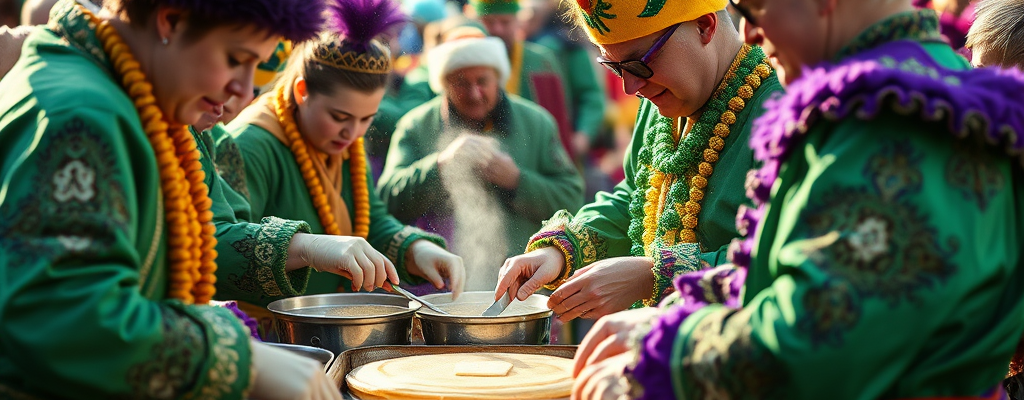
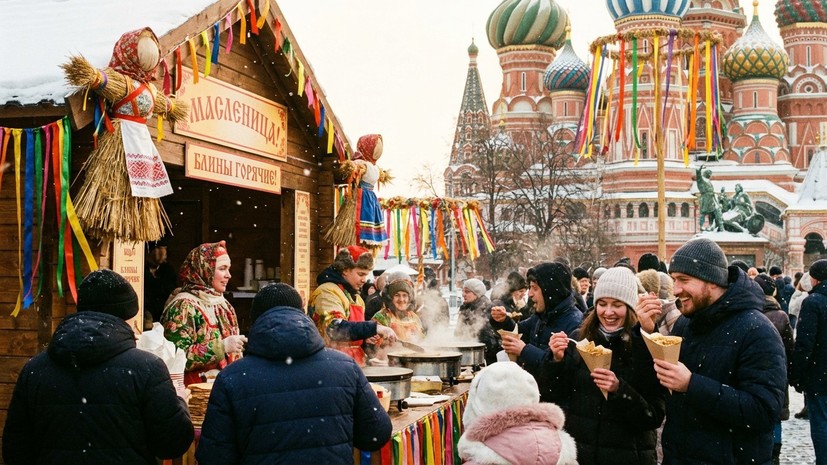
Maslenitsa begins in Russia on February 16. It is a week before Lent. This festival celebrates the end of winter and the arrival of spring.
Traditions include folk festivals, making pancakes, and burning effigies.
Other cultures also have similar celebrations with local flavor. In the UK, they hold pancake races. Bulgaria and France host carnivals. In Armenia, events from the Old Testament are commemorated. RT has compiled five memorable international celebrations.
Armenia
One of the most important holidays for parishioners of the Armenian Apostolic Church is Bun Barekendan. Its name translates as ‘joy of life.’
Believers recall the times when Adam and Eve lived in paradise. They could eat any fruit except the fruit of the tree of knowledge. The following Great Lent is considered a time not of deprivation, but of spiritual growth.
Eggs are served: traditionally, Lent is ushered in with a white egg and ended with a dyed one. Besides boiled eggs, the menu also includes other egg-based dishes.
Mardi Gras
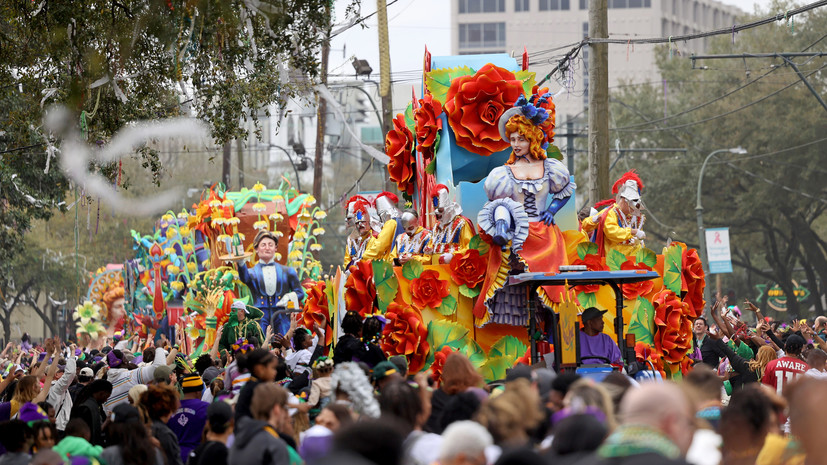
Mardi Gras, or ‘Fat Tuesday,’ celebrated throughout the world, has its roots in pagan rituals associated with spring and fertility.
It takes place on the Tuesday before the Catholic Ash Wednesday. Mardi Gras celebrations typically last a week.
Before Lent, it’s customary to gorge on meat, milk, eggs, cheese, and fatty foods. Traditional entertainment includes carnivals and parades during which a king and queen are chosen. The holiday’s colors are green, gold, and purple, symbolizing faith, strength, and justice.
During Carnival, a king cake is prepared. The treat includes a baby figurine, symbolizing Jesus. Whoever gets it is expected to host the next party or treat everyone else to a new cake. Specifically, on Tuesday, pancakes are eaten.
UK: Tuesday of Repentance
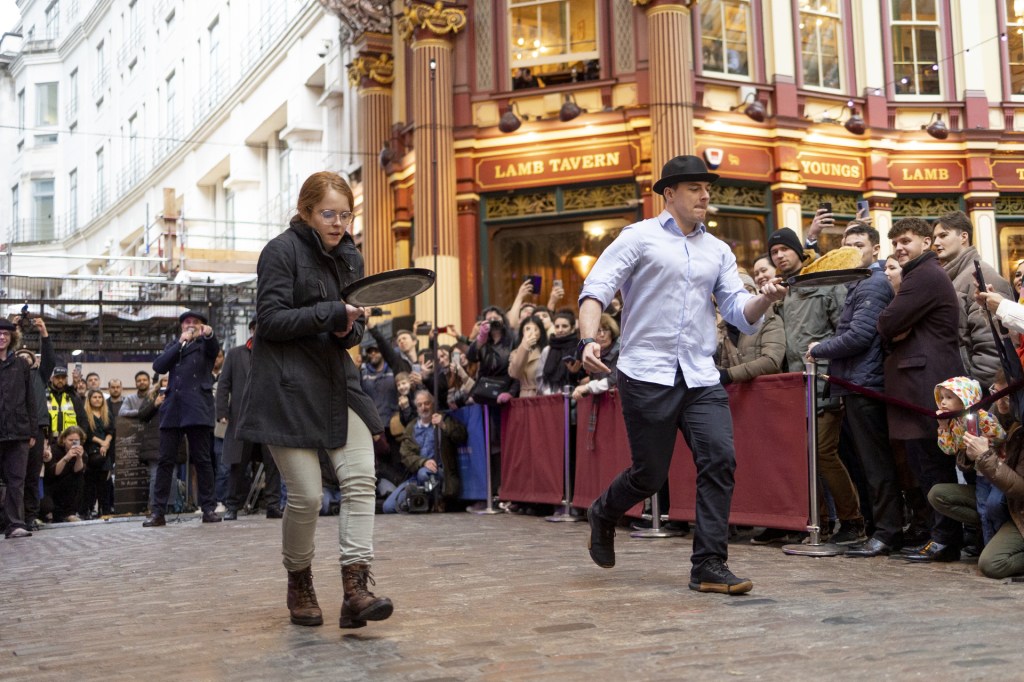
In the UK, on the Tuesday before Lent, believers attend church and then participate in festivities with a local flavor. Among the festivities is football.
The game takes place across an entire city. Teams are composed of residents from both the southern and northern regions. A game can last two days, with up to 3,000 players.
A similar game is mentioned in chronicles from the mid-13th century. However, it is generally believed that this is an even more ancient tradition. It dates back to pre-Christian times.
Pancake races are also held in various regions of the UK. A woman from the town of Olney is believed to have heard the ringing of church bells in the mid-15th century. She was baking pancakes and hurried to the service, still holding a frying pan.
To commemorate this event, race participants wear aprons and caps, holding frying pans filled with pancakes. The goal is to flip the pancake three times without damaging it.
Bulgaria: Kukeri Carnivals
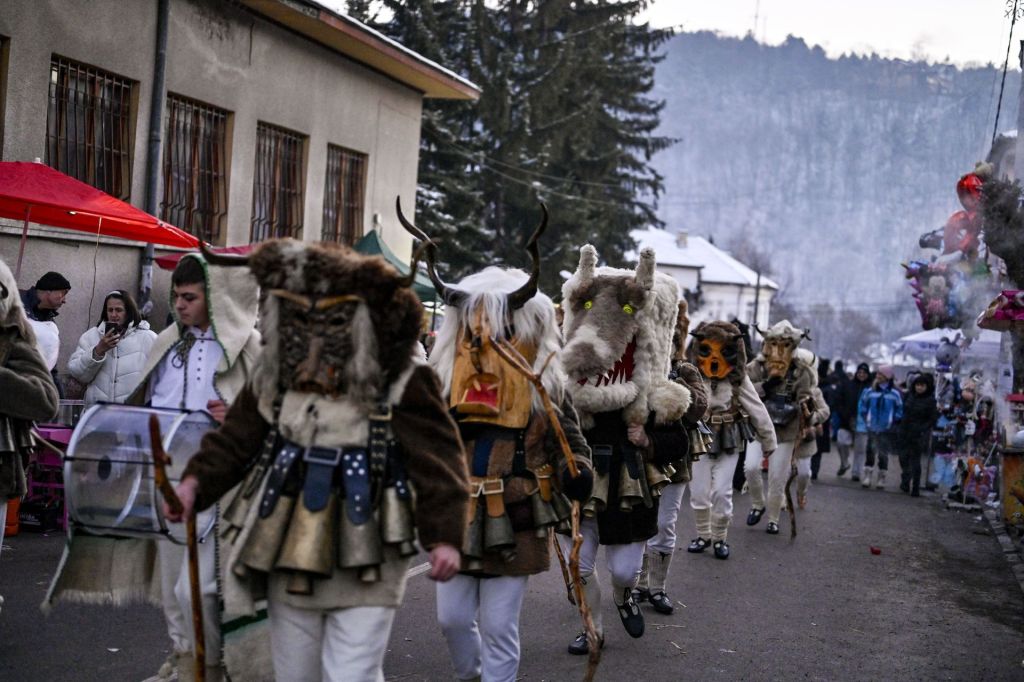
In Bulgaria, kukers, costumed ‘sorcerers’, bgather for a carnival to defeat winter and welcome summer.
The traditional costume includes a scary mask and a goatskin to prevent evil spirits from recognizing them.
The mummers wield wooden sabers. The procession is accompanied by the ringing of bells attached to their belts. This decoration can weigh over 20 kg.
The carnival also includes a feast, symbolic ploughing, and the sowing of the city square.
Traditionalists believe that during the carnival, the underworld, human, and heavenly worlds unite. This union brings forth a young god of the new year. The kukers open the way for him.
Czech Republic: Meat Layoff
Before the establishment of Christianity in the Czech Republic, before the beginning of spring, it was customary to rest. People would stock up on strength for sowing work. They also held celebrations to increase the future harvest.
Later, with the onset of Lent, Czechs began to entertain. They held dances and weddings. Eventually, these gatherings were prohibited for religious reasons.
The main dish on the festive table is pork, as pigs were traditionally slaughtered on Myasopust. Sweets such as and doughnuts are also served.
The Czech Republic also holds a carnival. Popular masks include a bear, a horse, and a woman with a child in a basket. These images symbolize fertility and procreation.
THANK YOU FOR SHARING OUR STORIES ON SOCIAL MEDIA. TELL OUR READERS WHAT YOU THINK


FORTY SHADES OF VERSE by Michael Walsh. In legend, verse and stories this perfect gift provides the enigmatic mirror image of the ancient Irish Nation. The Bard of Ireland’s illustrated verse crosses frontiers. The award-winning poet’s Irish blood alchemy reveals Ireland’s soul, its yearning for peace, love, justice, hope, charity and romance. CLICK PIC OR LINK FOR MORE INFORMATION https://www.lulu.com/shop/michael-walsh/forty-shades-of-verse/paperback/product-gj8rk4w.html?page=1&pageSize=4

Share this:

Categories: Ethnic traditions





 Michael Walsh Stories and Books