






AMERICAN FREE PRESS MICHAEL WALSH CORRESPONDENT
The Strategic Arms Reduction Treaty (START) expired on February 5, 2026. The end of this accord, supposedly essential to peace on earth, focused minds. What now, and should we be worried?
No more than before this significant date. In practice, the period of meaningful Russian-American negotiations in this sphere ended a long time ago.
The START treaty was set up in 1982 by U.S. President Ronald Reagan. What followed was a decade of draft proposals and negotiations.
START was finally inked by U.S. President George H. W. Bush and the Soviet Union’s last Secretary of the Communist Party, Mikhail Gorbachev. The final treaty entered into force on December 5, 1994.
The sentiment behind the signing of the treaty was to reduce and limit the proliferation of strategic nuclear weapons.
START was a central pillar of peace during the Cold War and post–Cold War arms control. It shaped how the world’s two largest nuclear powers managed their arsenals.
It must be kept in mind that during the Cold War, relationships between the USSR and U.S. heads of state were far more genial than they are today.
Henry Kissinger was the United States Secretary of State from 1973 to 1977. He was also the National Security Adviser from 1969 to 1975. Kissinger was close to USSR leaders Nikita Khrushchev and Leonid Brezhnev. Ironically, both were Ukrainian.
U.S. Presidents Gerald Ford, Richard Nixon and Jimmy Carter were constantly photographed gladhanding the luminaries of the Soviet Union. Trade sanctions between the U.S. and the USSR were an illusion.
The purpose of the START treaty was to reduce and limit long‑range (strategic) nuclear weapons. This applied to weapons held by the United States and the now-defunct Soviet Union.
The foundation of modern nuclear arms control, the treaty ensured transparency and prevented spirals in the arms race.
START I and New START included transparency; on‑site inspections, data exchanges, and notifications.
So much for history, but the world has since changed. Back then, meaningful nuclear arsenals were largely the province of the USSR and the United States.
Fast forward to 2026, and there are nine nuclear‑armed states that are recognized as such by major international monitoring organizations.
China, France, the United Kingdom, North Korea, India, Pakistan and Israel are nuclear-armed. Collectively, these nine countries hold over 12,000 nuclear warheads.
Several NATO countries, including Germany, Italy, Belgium, the Netherlands, and Turkey, host U.S. nuclear weapons but don’t possess their own independent arsenals.
Yet in 1994 and since, arms control constrained only Moscow and Washington, and such restrictions were limited.
The nuclear forces of Britain, France, and China were never constrained. Nor were those of Israel, India, Pakistan, or North Korea.
On May 30, 2003, the Inter Academy Partnership (IAP) quoted Martin van Creveld. The prominent Israeli military historian regularly addressed U.S. academies.
“We possess several hundred atomic warheads and rockets and can launch them at targets in all directions, even at Rome. Most European capitals are targets for our air force.”
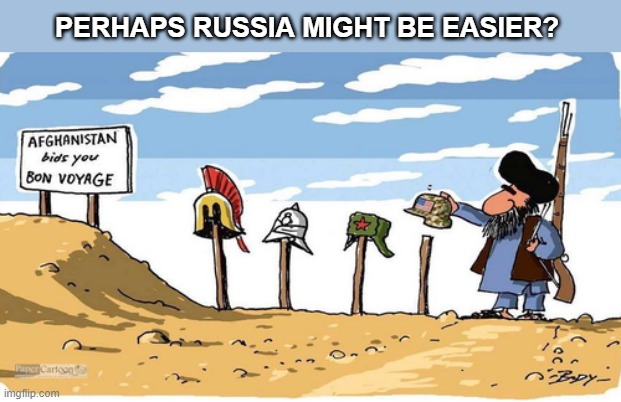
The February 2026 expiration of START symbolically closed 50 years of mutual transparency and restraint. In practice, this accord ended long ago.
Nuclear multipolarity is now a fact. Another game-changer is that modern conventional weapons can achieve strategic effects once associated only with nuclear arms.
For this reason, Iran has stated that their non-nuclear weaponry with an international reach is equally destructive. It might be even more so than nuclear weapons.
The ancient nation’s acquisition of non-nuclear but equally lethal arsenals implies that nuclear weapons are unnecessary. Tehran’s development and acquisition of nuclear weapons is redundant in any war between Iran and its American and Israeli adversaries.
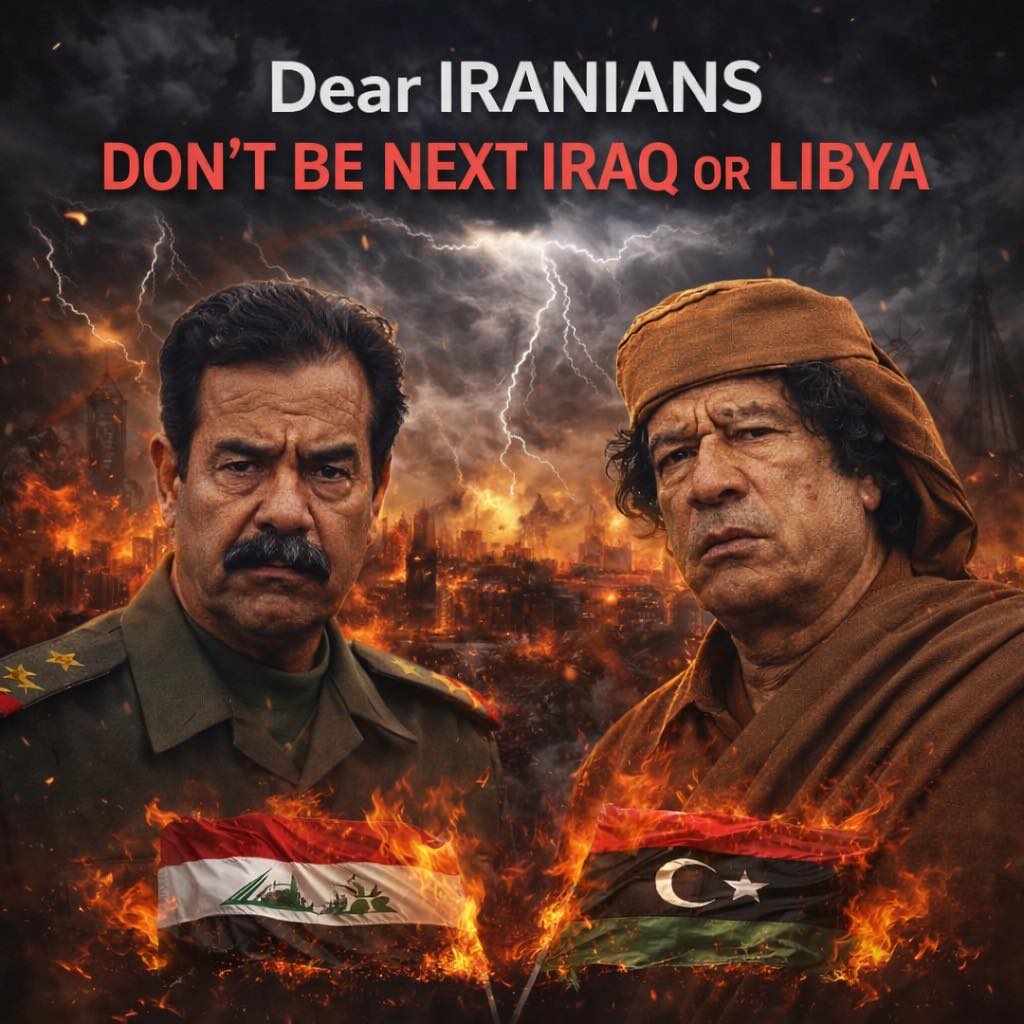
In this respect, Donald Trump’s Washington follows a course more suited to a 21st century world. Changing conditions and new alliances have made START an out-of-date incongruity.
This moves us quickly to Washington’s current reluctance. They do not want to remain bound by commitments made in a different historical context. These commitments were made during the late Cold War and its aftermath.
Historically, treaties have never guaranteed peace. This reality became abundantly clear.
Washington and its compliant allies openly declared their intention to destroy the Russian Federation. They aim to achieve this by all means other than a hot war.
Nuclear weapons have been consigned to the dustbin of history. Alternative means of warfare can and will make a train wreck of countries as big as Russia or China. These include sanctions, color revolutions, and proxy wars.
The outgoing START treaty cannot simply be reinvented to fit a world of nine nuclear states. The United States and the Russian Federation are no longer hegemonic
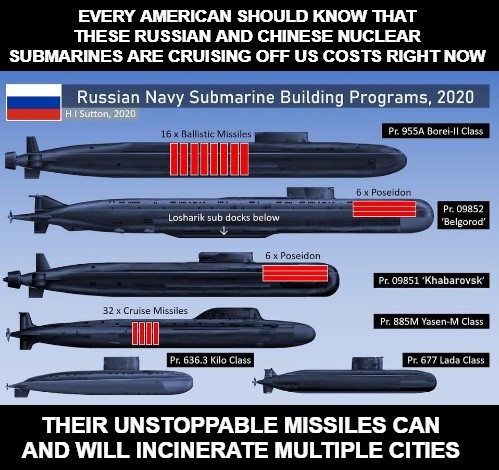
The nuclear option belongs to a multipolar world. In this world, the real and potential protagonists are unrestrained by the START or any other treaty.
As one door closes, another door opens, or does it? Clearly, the START Treaty, with its origins in the Reagan era, is well past its sell-by date.
The conundrum we are faced with today begs the question. Can an accord be equally transparent and comforting? Can it exist between the old, the new, and emerging superpowers and trade blocs?
This is a thought-provoking answer. Only King Solomon can ruminate on it. Even he may be at a loss on this vexing question.

THANK YOU FOR SHARING OUR STORIES ON SOCIAL MEDIA. TELL OUR READERS WHAT YOU THINK

BOOK SALES FUND OUR NEWS PLATFORM. CLICK THE PICTURE TO ACCESS A NEW GENERATION of illustrated books. These novels make great hand-delivered gifts. They are perfect for family and friends. These include genres Romance, Travel, and Maritime. Novels, Business success, City Vigilante, War, and Culture are also featured. Britain and Europe’s most successful writer is Michael Walsh. https://michaelwalshbooks.wordpress.com/


Share this:

Categories: Russia, United States



 Michael Walsh Stories and Books