





‘It is not more surprising to be born twice than once; everything in nature is resurrection.’ – Voltaire, French Writer
French Writer Voltaire
French Writer Voltaire (1694-1778) was well-known for his witty criticism and sharp commentary. His essays and books fearlessly satirized the French King, the Catholic Church, and many government officials.
They represented institutions he believed suppressed free speech and civil liberties. One particularly scandalous verse even landed Voltaire in the Bastille prison for nearly a year.
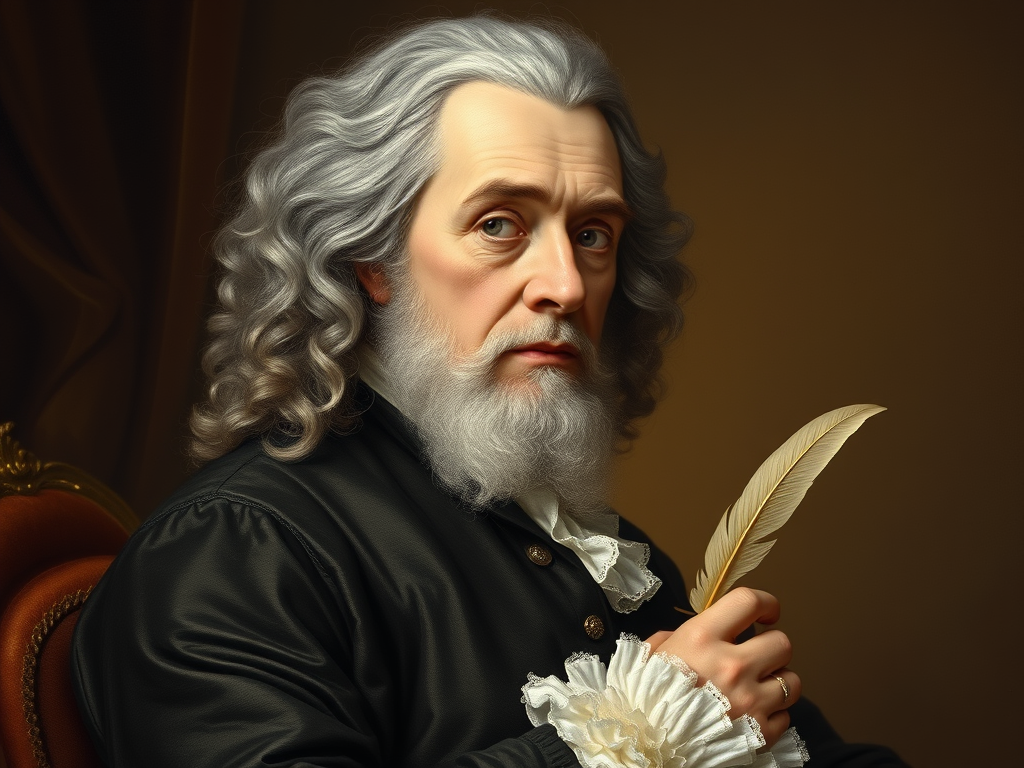
Voltaire was always an enthusiastic contrarian. He rejected the traditional views of Catholic France and most established religions. He espoused his belief in reincarnation.
Voltaire’s numerous writings have had a significant impact. They have influenced notable figures such as Napoleon, Catherine the Great, Benjamin Franklin, Frederick the Great, Goethe, and Victor Hugo.
‘As far back as I can remember, I have unconsciously referred to the experiences of a previous state of existence.’ – Henry David Thoreau, American Novelist
Henry David Thoreau
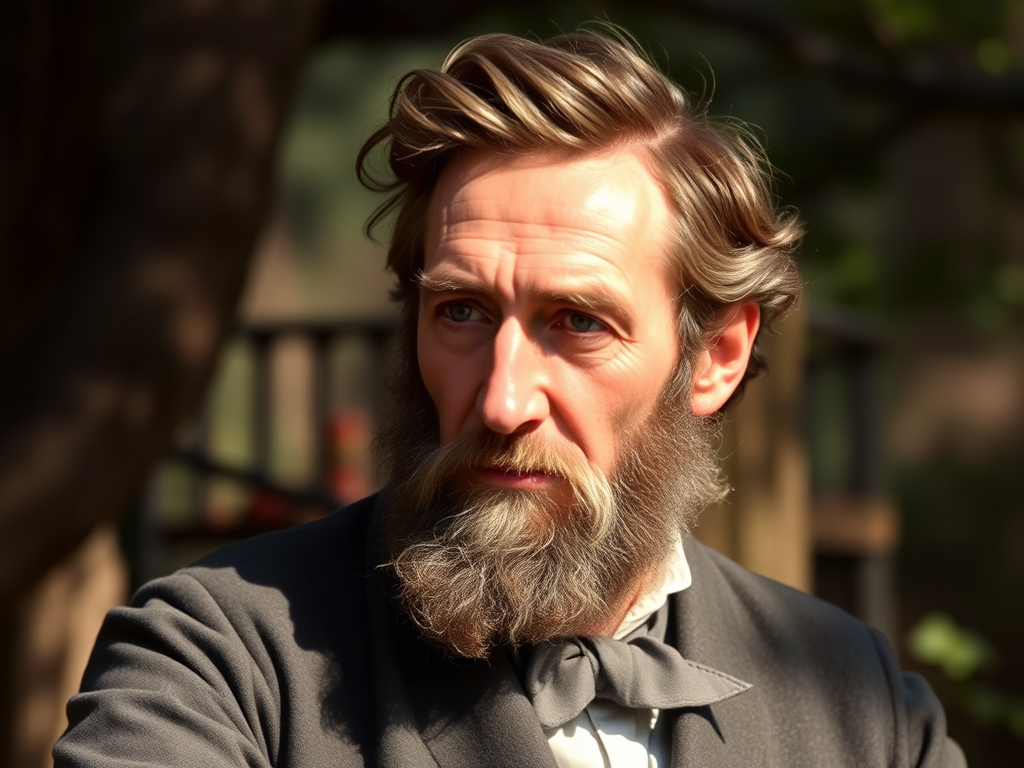
Henry David Thoreau (1817-1862), author of the classic book Walden, was a notable transcendentalist.
He believed one’s spirit could exist beyond the physical world. He also thought human consciousness was a powerful influence on the natural environment.
Perhaps he believes in this inherent duality—mind and body as distinct. This belief may explain why he believes in the reincarnation of the soul after the body dies.
The soul is not found without a body, yet it is not body itself. It may reside in one body or another and can pass from body to body.
Giordano Bruno, Italian Dominican Friar
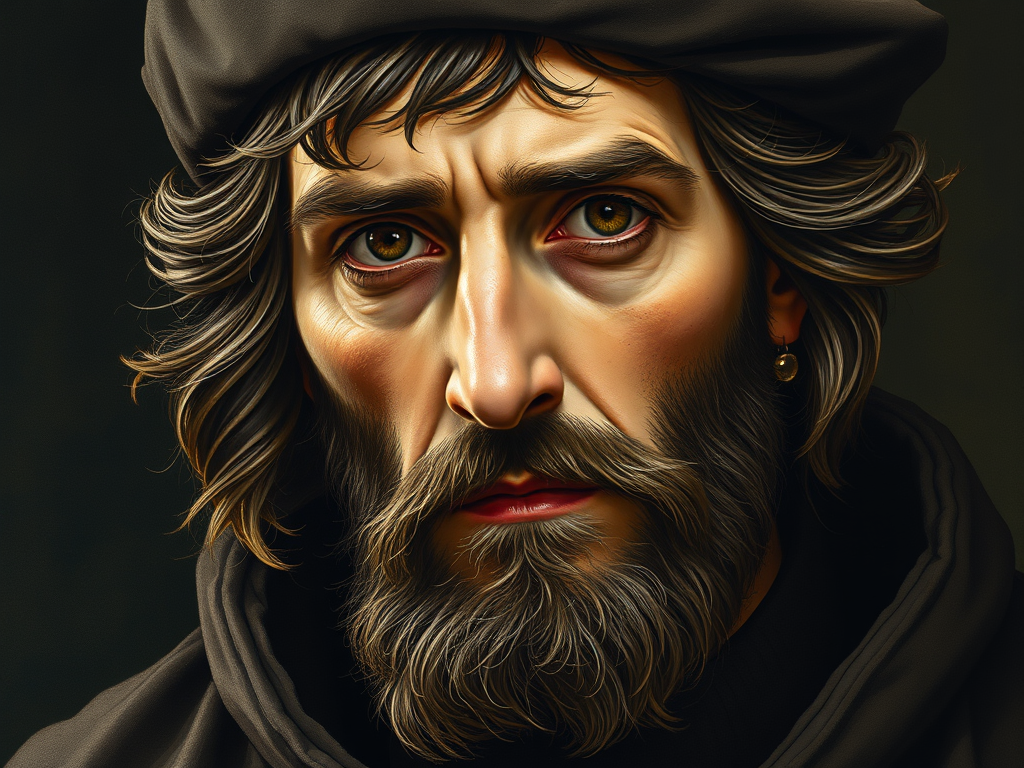
Bruno was burned at the stake by the Roman Catholic Church in 1600 for his heretical views on reincarnation. Bruno was later recognized for his revelatory scientific theories.
He angered the Church for his belief that stars were actually distant suns. He claimed each star was orbited by other planets.
‘I am certain that I have been here as I am now a thousand times before. I hope to return a thousand times.’
Even today, Bruno serves as a symbol for scientific openness. This is especially true when new discoveries seem to contradict established theory. Such discoveries may result in the condemnation of the scientist who dares investigate them.
Johann Wolfgang von Goethe
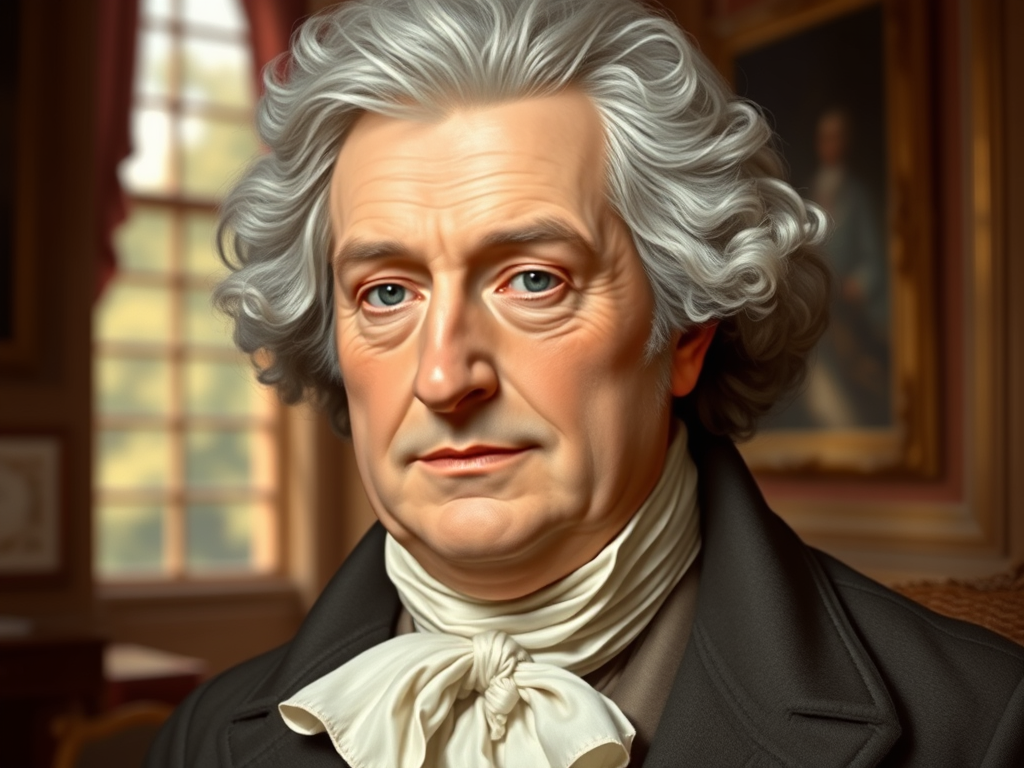
Goethe, German Poet. Johann Wolfgang von Goethe (1749-1832) wrote plays, novels, and poems.
He was also a civil servant and diplomat. He even wrote a significant scientific study on the metamorphosis of plants.
A freethinker, Goethe held controversial beliefs outside the religious and spiritual norms of his time.
Although he described himself as a ‘moderate liberal,’ others often referred to him as ‘the great heathen.’
In part, he earned this derisive nickname for believing that a person would have faith in Christ. He believed this could be true without belonging to a Christian church. He also thought it was perfectly acceptable to write books with sex scenes.
‘Finding myself to exist in the world, I believe I shall, in some shape or other, always exist.’
Benjamin Franklin, American Polymath
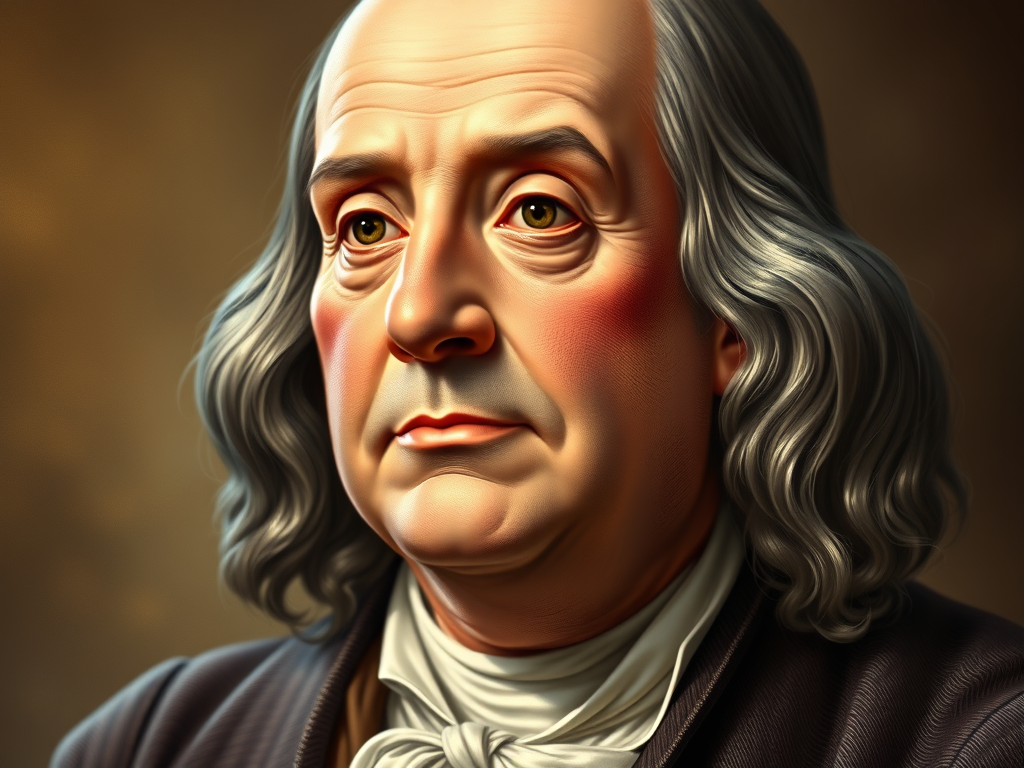
Founder Father Benjamin Franklin (1706-1790) famously believed that the human soul persisted and returned in a new body after what we think of as death.
At age 22, he penned his own epitaph. He declared that his life’s ‘work shall not be lost.
It will, as he believed, appear once more in a new and more elegant edition, revised and corrected by the author.’ The man maintained his belief in reincarnation throughout his life. Even at age 88, he wrote, ‘I look upon death to be as necessary to the constitution as sleep. We shall rise refreshed in the morning.’
Henry Ford
‘Genius is experience. Some seem to think that it is a gift or talent. However, it is the result of long experience in many lives.’
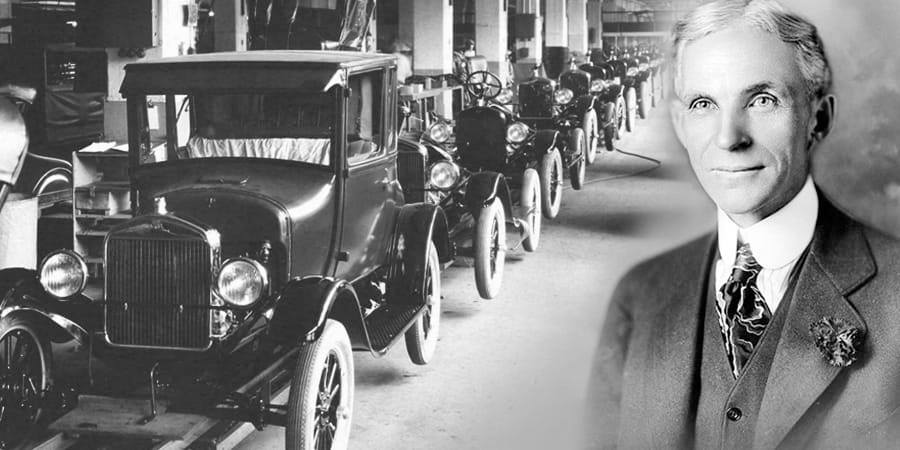
Henry Ford, American Industrialist. (1863-1947) is widely credited for making early automobiles affordable to the average American consumer.
He also popularized another innovation, the 5-day work week, under the belief that employees would work harder if they had more leisure time.
In a 1928 interview, Ford revealed that he’d begun believing in reincarnation at age twenty-six. This gave him a sense of peace, he claimed, because
‘Work is futile if we cannot utilize the experience we collect in one life in the next.’ If Ford was right, and his soul is still around in another body, what do you think he’s up to these days?
‘I could well imagine that I might have lived in former centuries and there encountered questions I was not yet able to answer; that I had to be born again because I had not fulfilled the task that was given to me.’
Carl Jung, Swiss Psychiatrist
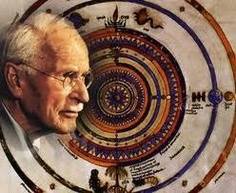
Carl Jung (1875-1961) is well known for his work in the field of psychiatry and psychoanalysis, but few may be aware of his deep interest in the paranormal.
Jung attended many seances and spoke about ‘parapsychic phenomena.’ Among other topics, he sought a psychological explanation for ESP, but ultimately, he was unsuccessful.
‘Friends are all souls that we’ve known in other lives. We’re drawn to each other.’
George Harrison, Musician
George Harrison (1943-2001), the lead guitarist for The Beatles, travelled throughout India in the late 1960s, meeting with gurus. Drawn to Hinduism, he often talked of reincarnation, referring to his body as a ‘chariot…going through this incarnation, this life.’
As to you, Life, I reckon you are the leavings of many deaths. No doubt I have died myself ten thousand times before.
Walt Whitman, American Poet
Walt Whitman (1819-1892) first published his poetry collection Leaves of Grass in 1855. He paid for it himself, printing just 800 copies (or so).
The work was so controversial at the time. This was mostly due to its sexually explicit themes. As a result, Whitman was fired from his job at the U.S. Department of the Interior. Today, Leaves of Grass is recognized as one of the most important works of American poetry.
‘I am confident in the belief that there truly is such a thing as living again, and that the living spring from the dead, and that the souls of the dead are in existence, and that the good souls have a better portion than the evil.’
Socrates, Greek Philosopher
If Socrates (470-399 BC) wrote anything down, it didn’t survive. He sure did talk a lot, though.
Much of what we know about Socrates and his teachings we can glean from the texts of his students, like Plato and Xenophon, and even those are often contradictory.
The accepted historical record says Socrates was convicted of corrupting the youth with his impious ideas after a one-day trial. The man then turned down an offer to live in exile, accepting execution instead. Maybe his belief in reincarnation played a role in his decision.
‘Nothing is dead. Men feign themselves dead and endure mock funerals. There they stand looking out of the window, sound and well, in some strange new disguise.’
Ralph Waldo Emerson, American Essayist
Ralph Waldo Emerson (1803-1882) primarily wrote essays and gave lectures, sharing his ideas about transcendentalism, which included the notion that God, a ‘Universal Being,’ lives within all nature.
When standing alone on the bare ground, Emerson wrote, ‘the currents of the Universal Being circulate through me; I am part or particle of God.’ It’s no wonder he considered his own spirit as something more complex than his brain’s mechanical output.
General George S. Patton, American Military Leader

‘So as through a glass and darkly, the age long strife I see, Where I fought in many guises, many names, but always me.’
General George S. Patton (1885-1945) is best known for his leadership of the Third Army during the Western Allied Invasion of France during WWII.
Fewer people may be familiar with Patton’s poetry. He’s believed to have penned over 80 poems between 1903-1945.
The line referenced above comes from his most famous poem, ‘Through the Glass Darkly.’
In fact, Patton often wrote about reincarnation, and openly professed his belief that he’d once served as an officer in Napoleon’s army in a past life.
‘The soul passes hither and thither, occupying now this body, now that… As a wax is stamped with certain figures, then melted, then stamped anew with others, yet it is always the same wax.’
Pythagoras Greek Philosopher
Pythagoras (570-495 BC) – the triangle guy, or so I recall from high school geometry – was also a fervent teacher of metempsychosis, the transmigration of souls.
He believed humans had an immortal soul that simply entered a new body after the current one died.
Unfortunately, he neglected to reveal how this happened, exactly. Nevertheless, Pythagoras allegedly remembered four previous lives in detail.
“We all have some experience of a feeling, that comes over us occasionally, of what we are saying and doing having been said and done before, in a remote time – of our having been surrounded, dim ages ago, by the same faces, objects, and circumstances.’
Charles Dickens, English Writer
Charles Dickens (1812-1870) is best known for his masterful novels and short stories that deal with poverty and other social ills.
During his lifetime, he openly supported the concept of reincarnation, but even if he hadn’t, his classic works undeniably explored paranormal themes regarding spirits and karma. (Remember the ghosts who visited Scrooge in A Christmas Carol?)

THANK YOU FOR SHARING OUR STORIES ON SOCIAL MEDIA. TELL OUR READERS WHAT YOU THINK
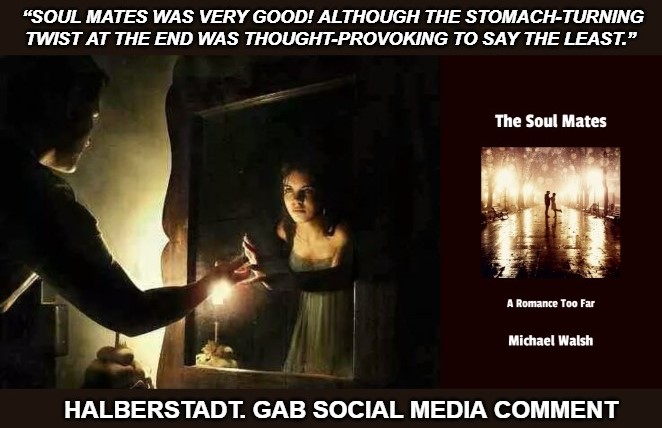
THE SOUL MATES by Award Winning International Writer Michael Walsh will inspire you. It encourages you to closely analyse your own life and relationships. It urges you to ask yourself – are my relationships supernaturally created by the gravitational pull of destiny? https://www.lulu.com/shop/michael-walsh/the-soul-mates/paperback/product-2mj59mz.html?q=&page=1&pageSize=4

Share this:

Categories: christian





 Michael Walsh Stories and Books