






REAL NOT FAKE SCIENCE Why Near Death Experiences Are Surfacing Now and Why the Timing Matters More Than Ever. In the 1950s and early 1960s, modern resuscitation changed medicine forever.
By the early 1970s, CPR training had spread to the general public. For the first time in human history, large numbers of people were being brought back after clinical death. What followed wasn’t expected.
People revived from cardiac arrest began reporting vivid, structured experiences.
Many described leaving their bodies, observing medical staff, encountering light, undergoing ‘life reviews’ or feeling overwhelming peace. These accounts shared striking similarities across age, culture and belief systems.
By the late 1960s and early 1970s, researchers began documenting these cases systematically.
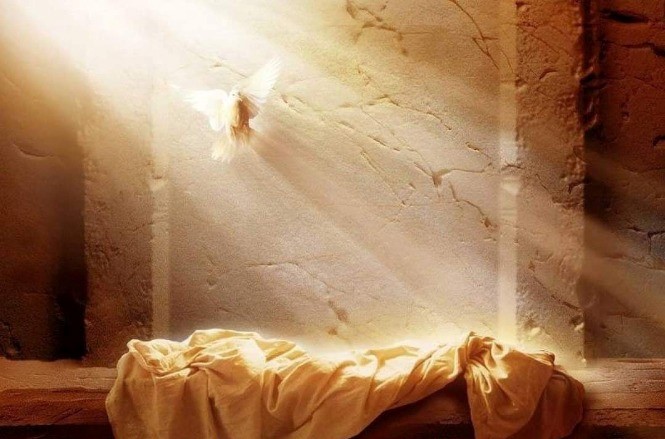
Within roughly fifteen years of CPR becoming widespread, near-death experiences transitioned from private stories. They evolved into a defined area of study.
Figures such as Dr. Raymond A. Moody helped name and organize the phenomenon. Later researchers like Bruce Greyson brought long-term clinical rigor to it. They also added measurement to the study. The phenomenon wasn’t new. The survivors were.
Between early research and the internet, near-death experiences passed through heavy shadow-banning filters.
To reach the public, an account needed publisher approval, institutional legitimacy and social permission. Most stories were condensed into books, academic papers or carefully framed television specials.
If an experience sounded too strange, too personal or too disruptive, it rarely made it past those gates.
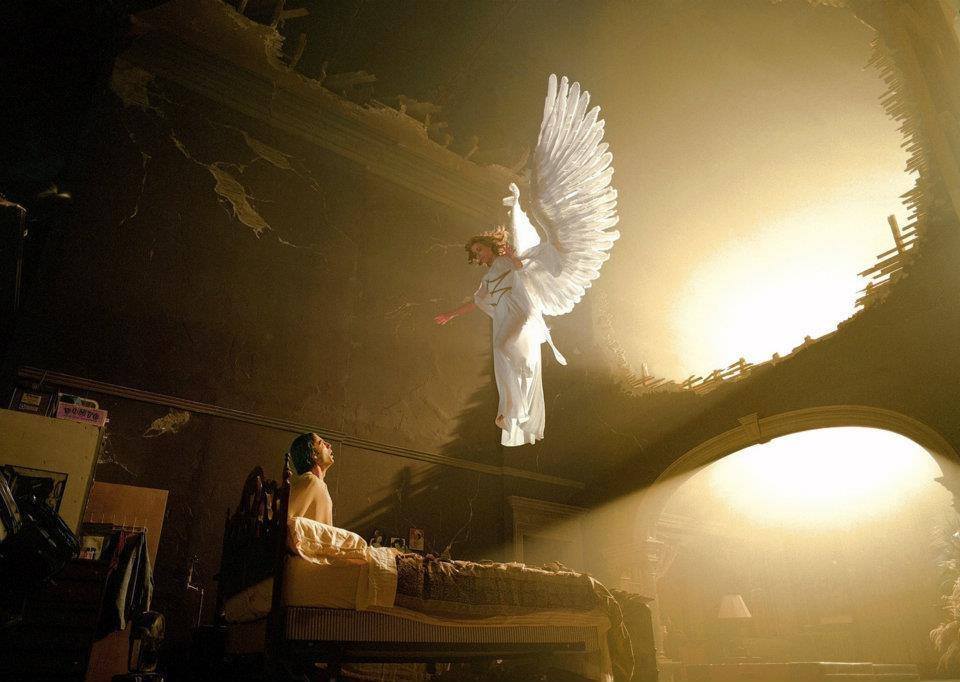
Many people had these experiences. They stayed silent, unsure how they would be judged. They also wondered whether they would be taken seriously. In other words, the limitation wasn’t the experiences. It was access.
Then came the internet.
What once took decades to surface through books and broadcast media. Began appearing in online forums, early databases and personal websites, allowing people to share experiences directly, without approval or credentials.
For the first time, strangers across the world would compare stories without an intermediary gatekeeping and interpreting them away.
Then the acceleration.

The smartphone era removed one of the last remaining barriers. Nearly everyone now carried a camera, a microphone and a publishing platform in their pocket.
Near-death experiences were no longer written years later or filtered through interviews. They were recorded firsthand and shared instantly. A single post or video could reach millions in days. Accessible across the globe.
Then came the pandemic.
The pandemic forced a global confrontation with mortality. Hospitals overflowed. Isolation increased. End-of-life experiences became more visible and more widely discussed.
At the same time, people were online more than ever, searching for meaning, reassurance and connection. Stories of near-death experiences didn’t just spread faster. They landed differently.
Across comment sections and livestreams, the same sentences appeared again and again. ‘Wait… that happened to me too.’ ‘My dad described the same things.’ ‘I never told anyone this.’
CPR didn’t create near-death experiences. Early researchers didn’t manufacture them. The internet didn’t invent them. Smartphones didn’t exaggerate them. The pandemic didn’t cause them. Each step simply removed another layer of silence.

What feels like a sudden explosion of near-death experiences may not be a trend at all. It’s a bottlenecked backlog finally giving way, amplified by technology and timing.
For most of human history, people crossed over and never came back. Now we’re comparing footnotes in real time.
But despite all of this, we are still far from a resolution. Modern science has yet to confirm that near-death experiences are merely hallucinations.
No single neurological model has successfully explained why these experiences often occur during periods of minimal or absent brain activity.
They follow consistent structures across cultures. Some include verifiable details that the person should not have been able to perceive. The explanation remains incomplete and, in many cases, speculative.
Religion, meanwhile, faces its own tension. Most near-death experiences do not align cleanly with traditional doctrines or long-held theological frameworks.

Rather than reinforcing a single belief system, they often challenge exclusivity altogether. These accounts are frequently dismissed or reframed. This happens not because they lack depth, but because they complicate what was once considered a settled truth.
Then there is the modern skeptic. Many people grew up in systems where spiritual experiences were tightly controlled by religion. Others had their experiences dismissed entirely by material explanations.
For some, belief was enforced without question. For others, disbelief was taught as the only intellectually respectable position.
Near-death experiences now sit awkwardly between those poles. They refuse to fully obey science, yet they also resist being owned by religion. That leaves us where we are now.
With more data than ever, more voices than ever and fewer clear answers than we might expect. The conversation has expanded faster than our frameworks for understanding it.
And perhaps that is the point. Near-death experiences are no longer asking to be believed or dismissed. They are asking to be examined honestly, without forcing them to fit what we already think we know.
If these experiences are nothing more than neurological events, it’s remarkable. They consistently strip away ego, division, and fear. These experiences leave people more compassionate than before. And if they are something more, they don’t arrive as beliefs or commands.
Near-death experiences don’t demand belief. They demand reflection. In a world this fractured, that invitation alone may be the most important message of all.

THANK YOU FOR SHARING OUR STORIES ON SOCIAL MEDIA. TELL OUR READERS WHAT YOU THINK
Our news platform is funded by book sales. Michael Walsh, an award-winning novelist, writes real-life romantic paranormal novels. His titles include THE PHANTOM OF OPHELIA and SOUL MATES. Best read with an open mind. https://michaelwalshbooks.wordpress.com/

Share this:

Categories: Amazing






 Michael Walsh Stories and Books