





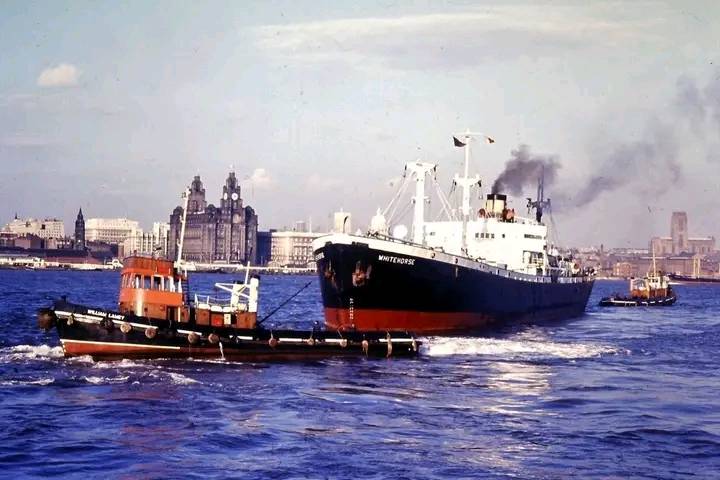
MICHAEL WALSH, EX-BRITISH SEAMAN
‘The Leaving of Liverpool’ is a 19th‑century folk ballad. It is also a sea shanty, best known as a sailor’s lament. It speaks about parting from home and a loved one before a long voyage.
It became widely popular in the mid‑20th century folk revival despite having been collected only twice from traditional singers.
Origins and Collection
• The song is also known as ‘Fare Thee Well, My Own True Love’, taken from its opening line.
• Folklorists classify it as a lyrical lament. They also note that it was used as a capstan shanty aboard sailing ships.
• It was collected only twice, both times in the early 20th century, from:
• Richard Maitland, an American seaman and Captain Patrick Tayluer, another American sailor
Both versions were collected by William Main Doerflinger, a major collector of sea songs in New York.

RIGHT: Liverpool seaman Michael Walsh, at 16, was a regular visitor to New York.
Themes and Narrative
The narrator expresses sorrow at leaving Liverpool and especially his ‘own true love.’
He is bound for California, reflecting the era’s long voyages.
The song centers on: Separation and longing, the uncertainty of maritime life, and a promise to return home
These themes made it resonate strongly with sailors and later with folk audiences.
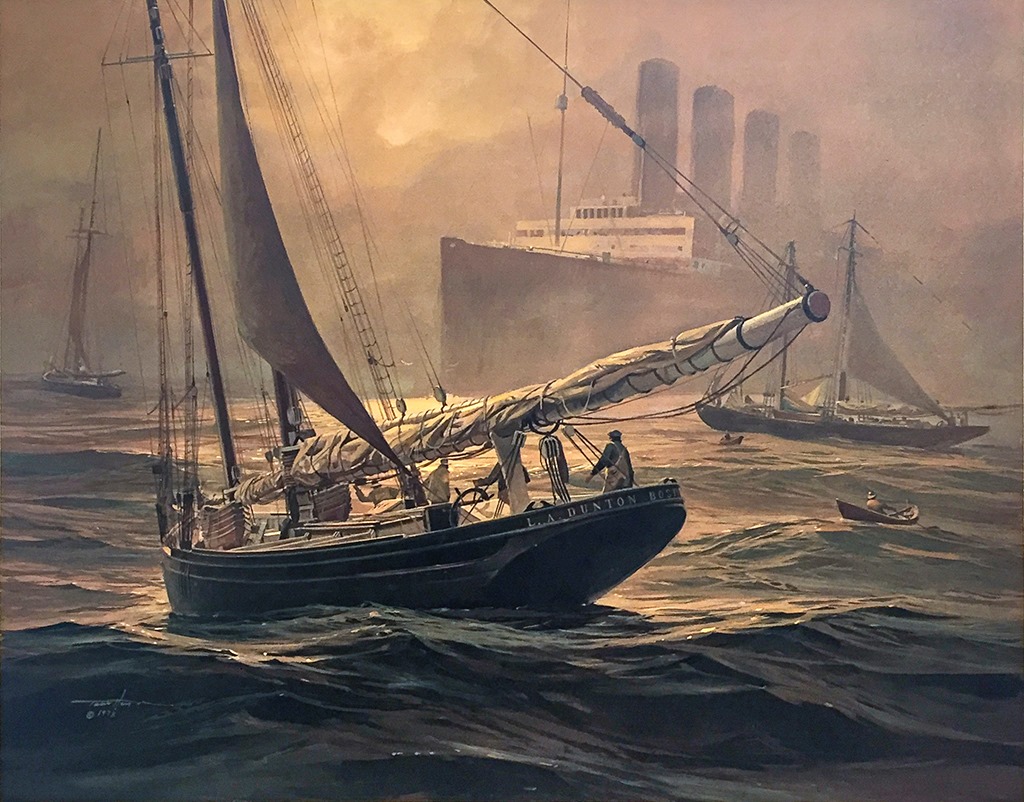
Variants and Evolution
Like many folk songs, it exists in multiple versions with lyrical variations. The earliest known reference comes from Maitland, who heard it aboard a ship called the General Knox.
Bob Dylan plagiarized the ballad when writing his early piece ‘Farewell.’
Revival and Notable Recordings
The song became widely known during the folk revival of the 1950s–60s. Key recordings include:
• The Clancy Brothers and Tommy Makem, one of the most influential versions.
• The Dubliners, who helped popularize it in Ireland and internationally.
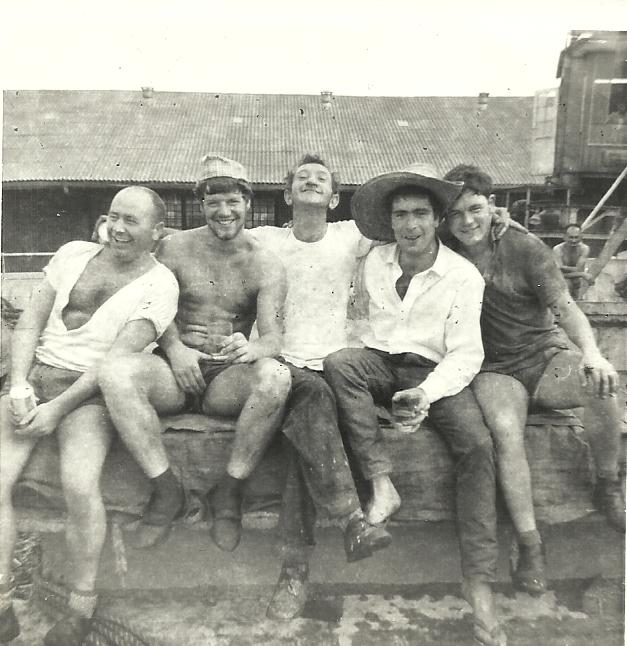
• The Ronnie Drew Group performed it on the Irish TV program Ballad Session in 1963.
It has since been recorded by countless folk artists and remains a staple of Irish, British, and American folk repertoires.
Musical Characteristics
• Typically performed as a slow, plaintive ballad, though some versions are more upbeat.
• Often accompanied by guitar, banjo, or traditional folk instrumentation.
• The chorus is especially memorable and widely sung in sessions and folk gatherings.
THANK YOU FOR SHARING OUR STORIES ON SOCIAL MEDIA. TELL OUR READERS WHAT YOU THINK

THE LEAVING OF LIVERPOOL: Ex-Liverpool seaman Michael Walsh, Bestseller of 2025: 70 stories and over 100 pictures. A first-hand account of the British ships, seafarers, adventures and misadventures (1955 – 1975). A tribute to the ships and seamen of the then-largest merchant marine in history. ttps://www.lulu.com/shop/michael-walsh-and-nadiya-burlikova/the-leaving-of-liverpool/paperback/product-v89mgrp.html?q=&page=1&pageSize=4

Share this:

Categories: Sea Stories



 Michael Walsh Stories and Books
I’ll tell you what I think of this piece : it’s excellent !As well as the videos that follow your presentation, having brought tears to my eyes… Especially the “Legends of the Fall” film’s trailer ! Thank you ! 78732
LikeLiked by 1 person
Much love
LikeLike