





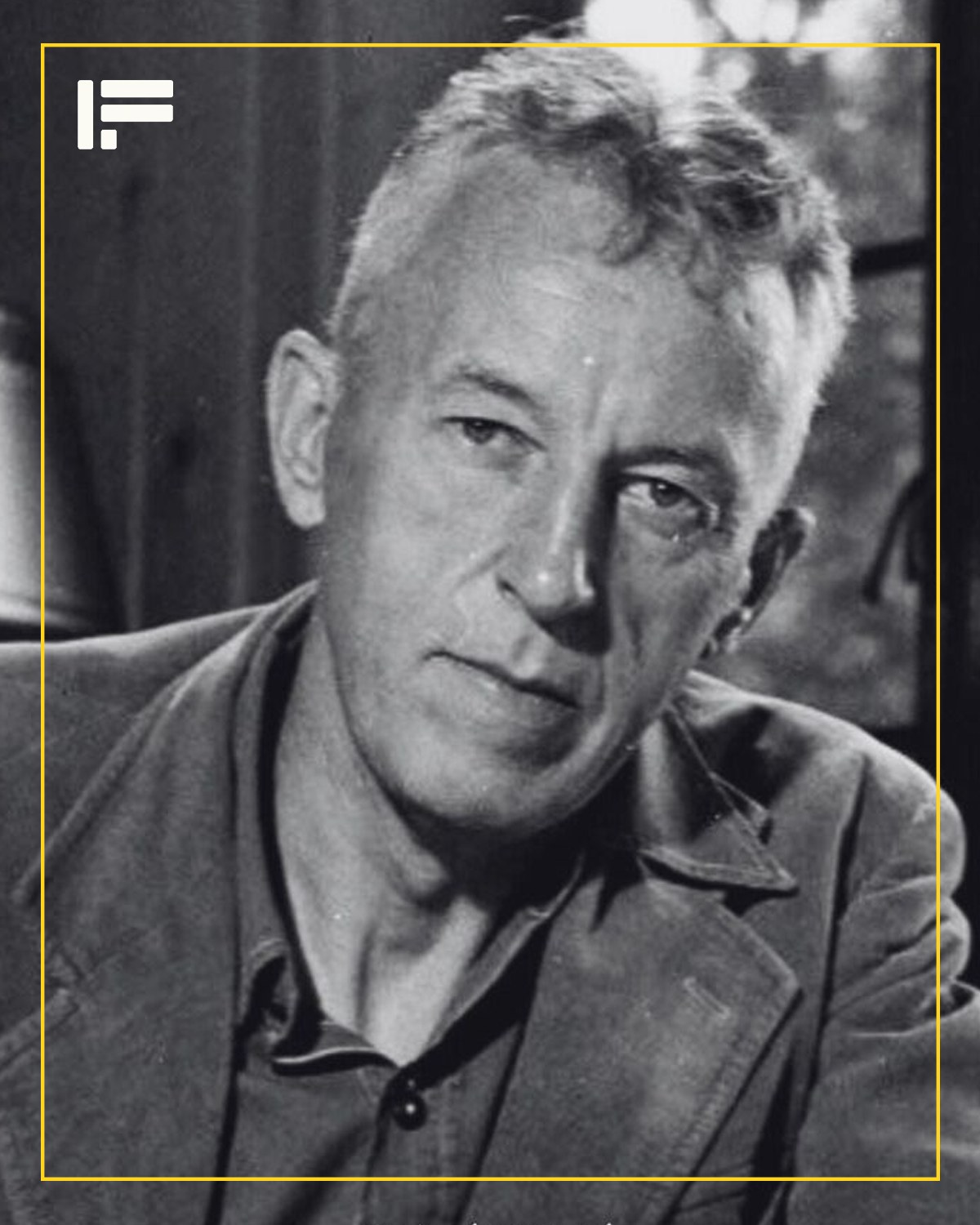
MICHAEL WALSH HEALTH REPORTS In December 1934, thirty-nine-year-old Bill Wilson lay shaking in a hospital room in New York City. He was convinced he was nearing the end.
He had once been a rising star on Wall Street, brilliant and ambitious.
Bill had served as an officer during World War I. Now he was a man who trembled at the sight of a saloon bar. He promised his despairing wife, Lois, each morning that this time would be different, only to fail again.
Dr William Silkworth explained Bill’s condition to Lois in terms that would stay with her forever.
In the medical terms of the era, the prognosis was grim. Chronic alcoholics were often deemed beyond recovery. Institutionalization or death were widely considered the only likely outcomes. Conventional medicine had little else to offer.
At the time, alcoholism was not recognized as an illness. It was seen as moral failure, weak character, or a lack of discipline.

Shame followed it everywhere. In the hospital, sedatives eased Bill’s terror but not the despair underneath.
He wasn’t indifferent to the damage he caused. He wanted desperately to be responsible, loving, and reliable. Yet the craving for alcohol returned with a force that felt stronger than reason, pride, or love.
Then something shifted. Alone in his hospital room, exhausted and desperate, Bill reached a point of complete surrender.
He later described calling out to a higher power, not from religious certainty, but from desperation.
What followed was an experience he struggled to articulate for the rest of his life. Bill spoke of a sudden sense of light and peace, a profound calm replacing panic. The obsessive craving that had ruled him seemed to lift.

When Dr. Silkworth returned, Bill shared what had happened, expecting skepticism.
Instead, the doctor listened carefully and encouraged him to hold onto whatever had brought relief.
Silkworth did not endorse the experience as a medical fact, but he recognized its importance to Bill’s recovery. Bill left the hospital sober, but remaining sober would require more than a single visionary moment.
Over months, Bill attempted to help other alcoholics by sharing his experience.
He spoke about surrender and spiritual change. He visited hospitals and bars. Yet no one stayed sober. Each attempt ended in disappointment.
Then, in May 1935, a business venture collapsed in Akron, Ohio, leaving Bill alone and discouraged at the Mayflower Hotel. For the first time in months, the urge to drink returned with force.
From the hotel lobby, he could hear laughter and glasses from the bar. The temptation felt overwhelming. As he paced, a realization struck him: he needed to talk to another alcoholic one to save himself.

He began calling local clergy, asking for the name of someone struggling as he was.
Eventually, he was connected to Bob Smith, a respected surgeon whose drinking had become unmanageable. Dr Bob agreed to meet briefly, largely as a courtesy.
When Bill arrived, he did something different. He did not preach or advise. He simply told the truth about his own failures, the fear, the hiding, the broken promises, the baffling obsession.
Dr. Bob listened. He recognized himself in the story. Fifteen minutes stretched into hours. They talked late into the night.
What emerged was not a cure, but a connection. Bill realized that helping another alcoholic helped him stay sober. Dr. Bob realized he was not uniquely broken.

Dr. Bob took his last drink on June 10, 1935. From that moment forward, the two men worked together, visiting hospitals and reaching out to others considered beyond help.
They offered no fees, no professional credentials, only shared experience.
Over time, they documented their approach in a book. They outlined twelve guiding principles centered on honesty, accountability, and reliance on something greater than oneself. They called the fellowship Alcoholics Anonymous.
The movement grew slowly, then spread worldwide. People from every background gathered in basements and meeting rooms, sharing stories over coffee and mutual understanding.

Bill Wilson remained sober for the rest of his life. What never changed was his belief that recovery depended on connection.
When Bill Wilson died in 1971, Alcoholics Anonymous had reached dozens of countries. Today, millions attend meetings worldwide. Each person traces their recovery back to a conversation between two struggling men in Akron.
Doctors once believed there were only two endings for men like Bill: confinement or death.
Bill Wilson helped create a third path, one built on honesty, shared suffering, and refusing to face darkness alone. That path has changed millions of lives.

THANK YOU FOR SHARING OUR STORIES ON SOCIAL MEDIA. TELL OUR READERS WHAT YOU THINK
CLICK THE PICTURE TO ACCESS A NEW GENERATION of illustrated books and novels that make great hand-delivered gifts. They are perfect for family and friends. These include genres Romance, Travel, and Maritime. Novels, Business success, City Vigilante, War, and Culture are also featured. Britain and Europe’s most successful writer is Michael Walsh. https://michaelwalshbooks.wordpress.com/


Share this:

Categories: Family & Parenting



 Michael Walsh Stories and Books