






MICHAEL WALSH MUSIC DISCOVERIES ‘Ashokan Farewell’ was written in 1982 by American folk musician Jay Ungar. It was inspired by a deep feeling of sadness and longing.
This feeling arose at the end of a summer music camp he ran in the Ashokan region of New York.
Although it sounds like a Civil War–era lament, it is a modern composition that later became famous as the theme of Ken Burns’ documentary The Civil War
The Story Behind Ashokan Farewell
Where the name comes from
• The tune is named after the Ashokan Field Campus (now the Ashokan Center) in upstate New York.
• Jay Ungar and his wife Molly Mason ran Ashokan Fiddle & Dance Camps there every summer.
Why Jay Ungar wrote it

• Ungar composed the tune at the end of one of these camps. He described it as a moment of ‘deep emotion’. This occurred when the summer gathering ended, and everyone went home.
• He said it came from a ‘sense of loss and longing’ after the community dispersed.
Musical style
• It is a waltz in D major. It is written in the style of a Scottish lament. It is similar to the works of 18th-century composer Niel Gow.
• This is why many listeners assume it is an old traditional tune.
How it became famous
• Ken Burns chose it as the main theme for his 1990 PBS documentary The Civil War.
Ken Burns discovered Ashokan Farewell almost by accident. He heard it on a demo tape Jay Ungar had recorded with his band Fiddle Fever.
The tune struck him so deeply that he built the emotional tone of The Civil War around it. The PBS page on the documentary confirms Ungar’s connection to Burns and the tune’s origins
Why Burns Fell in Love with It

It sounds like a Scottish lament, similar to tunes from the 1700s and 1800s.
It conveys longing, loss, and reflection, matching the tone of Civil War letters and narration.
Its simplicity makes it emotionally direct and unforgettable.
Jay Ungar was deeply moved. He felt a little stunned and even embarrassed. Ken Burns asked to use Ashokan Farewell. The tune had always felt intensely personal to him.
He later said he was surprised. He did not expect this. Something he wrote out of private emotion became the emotional centerpiece of The Civil War.
His own recollections confirm this reaction.
He recalled: ‘I was embarrassed by the emotions that welled up whenever I played it.’
Burns wanted to use it in a major documentary. Ungar was surprised. Such a vulnerable piece resonated so strongly.
Jay Ungar’s Reaction

He felt embarrassed by how emotional the tune was. Ungar has said that whenever he played Ashokan Farewell, the feelings that inspired it came rushing back.
These feelings include sadness, longing, and the ache of saying goodbye.
When Burns heard the tune, he immediately felt it captured the melancholy, reflective tone he wanted for the documentary.
Burns assumed it was an old Civil War tune
Like many listeners, Burns initially thought it was a 19th‑century lament because of its Scottish‑influenced style.
When he learned it was modern, he still felt it perfectly expressed the emotional core of the series.

• Its haunting, mournful sound fit the tone of the series perfectly. As a result, many people still believe it is an authentic Civil War song.
Its legacy
• The song was written in 1982. It was included in the 1991 album Songs of the Civil War. This was due to its emotional resonance and period‑appropriate style.
• Today, it is widely performed on fiddle, guitar, piano, and in orchestral arrangements.

THANK YOU FOR SHARING OUR STORIES ON SOCIAL MEDIA. TELL OUR READERS WHAT YOU THINK
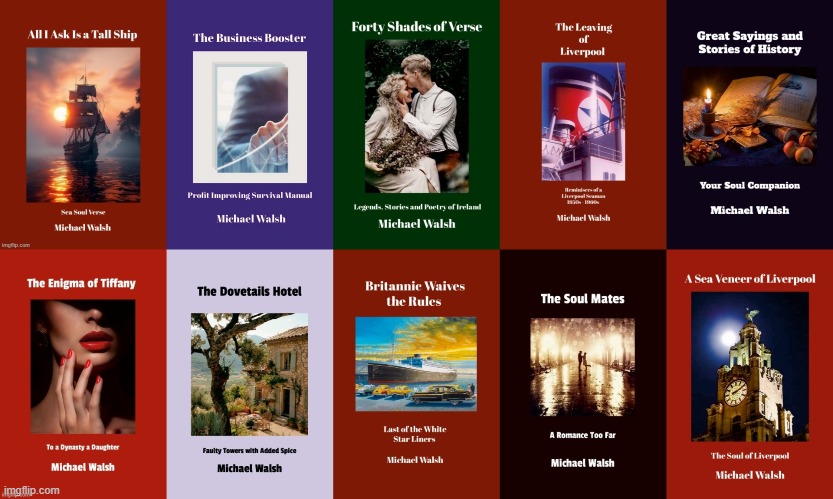
CLICK THE PICTURE TO ACCESS A NEW GENERATION of illustrated books and novels that make great hand-delivered gifts. They are perfect for family and friends. These include genres Romance, Travel, and Maritime. Novels, Business success, City Vigilante, War, and Culture are also featured. Britain and Europe’s most successful writer is Michael Walsh. https://michaelwalshbooks.wordpress.com/

Share this:

Categories: Music Notes



 Michael Walsh Stories and Books
1 reply »