




RESPONSIBLE CARING HEALTHCARE
For your relief, we provide a clear overview of ailments that are responsive to herbal medicinal cures. This overview is engaging. These ailments are commonly considered responsive to herbal remedies.
Medicinal healthcare has been analysed, discovered and practised for thousands of years. The rewards were achieved through trial and error. It is still commonly used today.
Across the wiser world, especially China and the Far East, herbal medicine has been used successfully for thousands of years. Many races have relied on it because herbal cures are the most enduring remedies.
Something to think about

Profit-driven Big Pharma has a vested interest in not curing you. On the other hand, Herbal Mediclinic profits only when it is successful.
Herbal remedies are often accompanied by words of caution due to possible side effects.
However, if you remove and read the accompanying advice notes, you will find them with your conventional chemist’s medicines. These notes contain copious information on possible side effects.
Ask your doctor if a Big Pharma-manufactured medicine with 36 side effects is really good for you.
Ailments Often Considered Responsive to Herbal Remedies
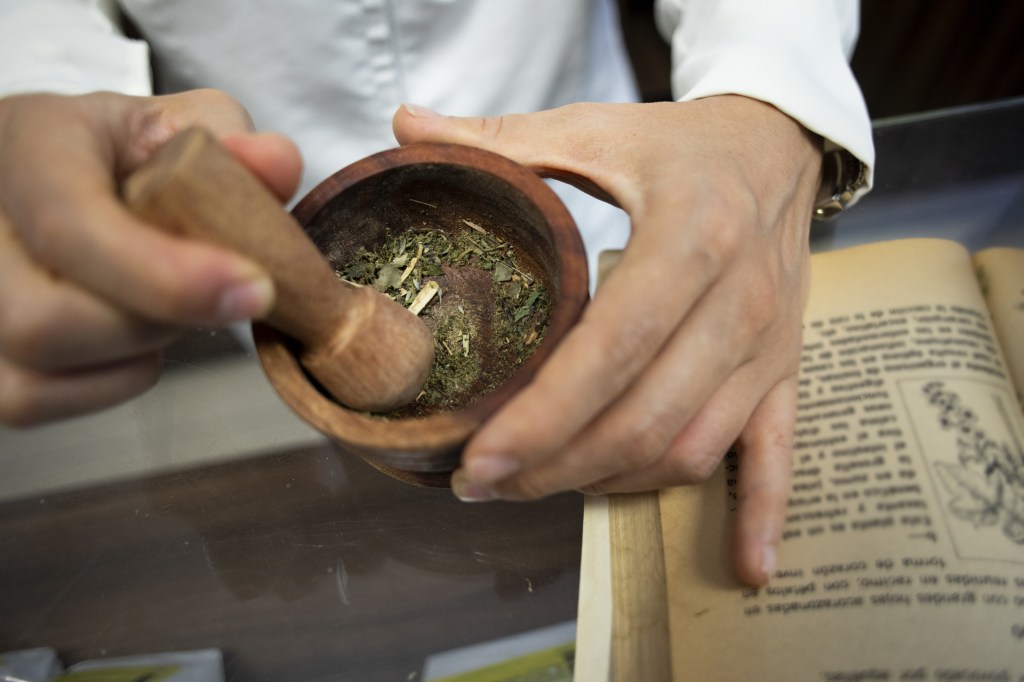
Herbal medicine has been used for centuries. Many people find relief from plant-based approaches. There are several conditions where herbs are traditionally used. They can offer supportive benefits.
1. Digestive Issues
Herbs are frequently used to soothe the digestive system.
• Indigestion & bloating → ginger, peppermint, chamomile
• Mild nausea → ginger
• Constipation → senna (short‑term only), aloe latex
• Mild diarrhoea → blackberry leaf, chamomile
These herbs are often used because they can relax smooth muscles or reduce inflammation in the gut.
2. Stress, Mild Anxiety & Sleep Troubles

Many herbs have calming or sedative properties.
• Stress & mild anxiety → ashwagandha, lemon balm, passionflower
• Sleep difficulties → valerian root, chamomile, lavender
People often use these because they promote relaxation or support the body’s stress response.
3. Colds & Respiratory Discomfort
Herbs can support comfort during minor respiratory issues.
• Common cold symptoms → echinacea, elderberry
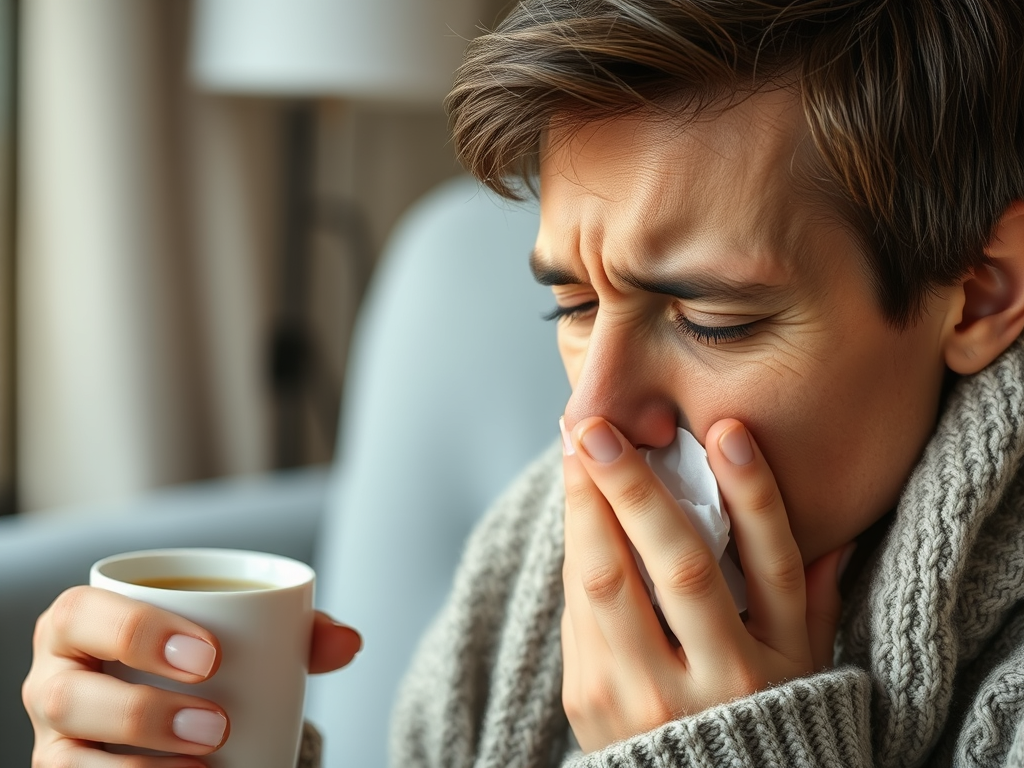
• Cough → thyme, marshmallow root
• Sore throat → licorice root, slippery elm
These herbs are traditionally used for their soothing or immune‑supportive properties.
4. Skin Irritations
Topical herbal preparations can be helpful for mild skin concerns.
• Minor burns → aloe vera gel
• Eczema or dry skin → calendula, chamomile
• Small cuts or scrapes → tea tree oil (diluted), calendula
5. Mild Pain & Inflammation
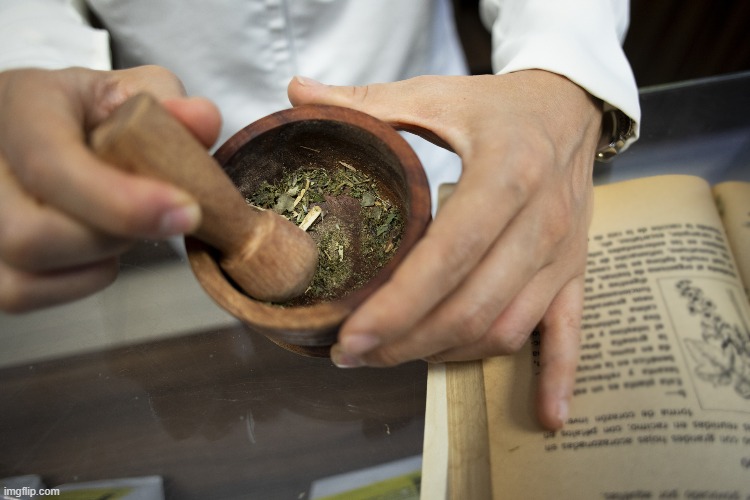
Some herbs are used for their anti‑inflammatory effects.
• Mild headaches → feverfew
• Joint stiffness → turmeric (curcumin), ginger
• Muscle soreness → arnica (topical only)
These herbs are often chosen because they may influence inflammatory pathways.
6. Menstrual Discomfort

Herbs have long been used to ease menstrual symptoms.
• Cramps → ginger, cramp bark
• PMS symptoms → chasteberry (vitex), evening primrose oil
They’re traditionally used to support hormonal balance or reduce muscle tension.

Thank you for sharing our stories on social media. TELL US WHAT YOU THINK

THE HIDDEN WORLD: GREAT SAYINGS AND STORIES OF HISTORY is a popular Michael Walsh Compilation. It contains hundreds of quotations. Many of these quotations would not be published today. https://www.lulu.com/shop/michael-walsh/great-sayings-and-stories-of-history/paperback/product-dyj7mpd.html?q=&page=1&pageSize=4

Share this:

Categories: healthcare, Uncategorized



 Michael Walsh Stories and Books
I can guarantee these herbs are really helping as I use them all the time ! 78732
LikeLiked by 1 person