





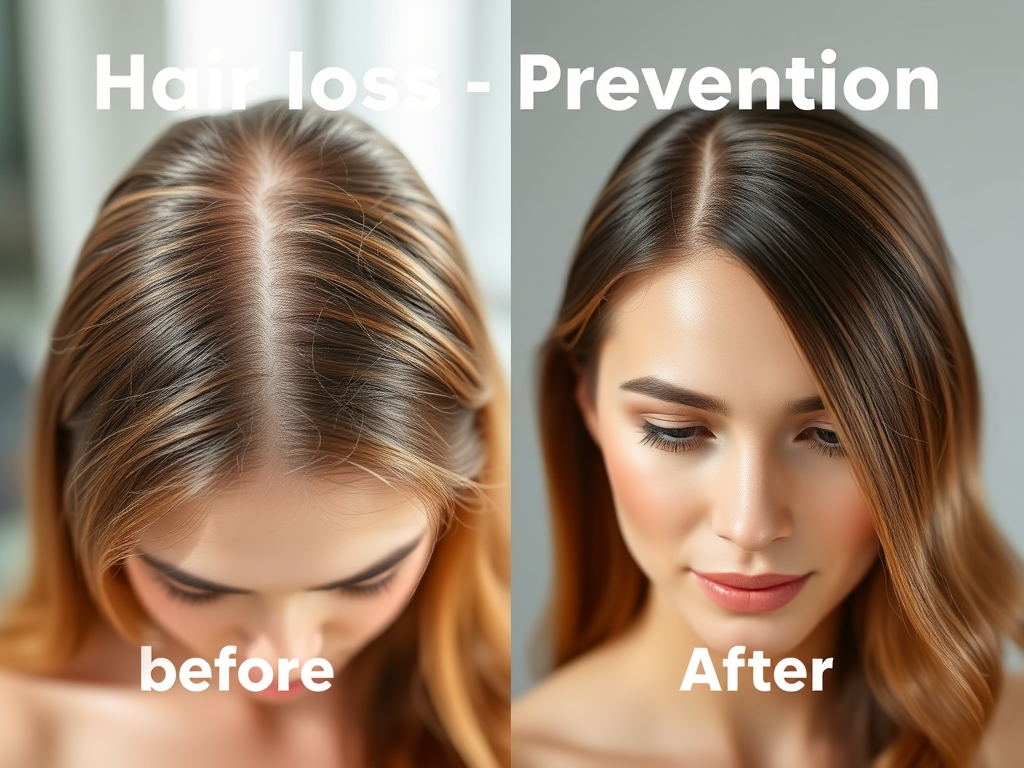
YOUR HEALTH IS YOUR TRUE WEALTH: In the fall, many people notice increased hair loss. Alopecia (hair loss) can affect both men and women.
As Diana Vurzel, a trichologist, cosmetologist, and dermatologist with the Doctor TV channel, explained. This can be due to vitamin deficiency or a number of other medical conditions.
The doctor states that alopecia can be a symptom of thyroid disease. It may also indicate polycystic ovary syndrome in women or even heart disease.
Vurzel explained what to look for to schedule a doctor’s appointment in a timely manner.
Can vitamin deficiency lead to alopecia, and which vitamins and microelements affect hair condition?
— Yes, vitamin and mineral deficiencies can lead to hair loss. This is particularly true for deficiencies in B vitamins, vitamin D, zinc, magnesium, and selenium. Therefore, it’s important to have a blood test to determine your vitamin and mineral levels before starting treatment for alopecia.
— When should I start to worry about hair loss?
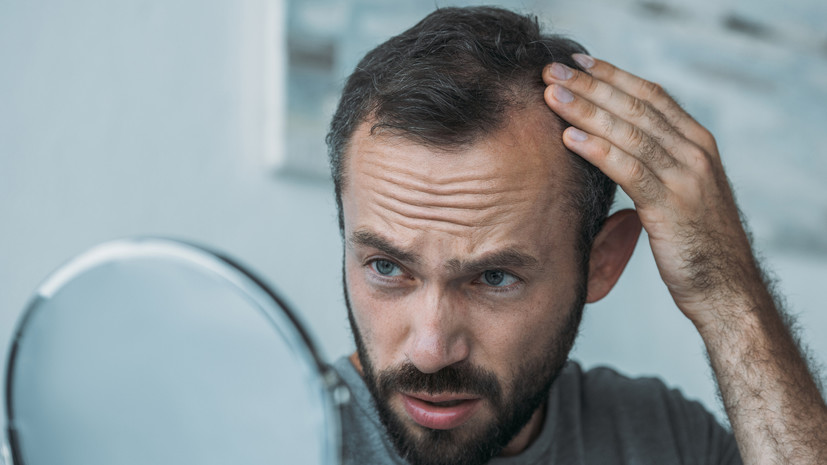
A person can normally lose no more than 100 hairs per day; exceeding this amount indicates a problem.
Of course, no one is likely to count the hairs they’ve lost. However, you can estimate the amount of hair loss roughly by eye. If you’re losing a decent amount of hair every day, it’s worth considering.
Be cautious if you suddenly notice patches of baldness. These are entire areas where the hair has fallen out completely.
Additional warning signs include a burning or tingling sensation on the scalp when washing, blow-drying, or coloring. The sudden appearance of dandruff or rashes can also be warning signs.
In this situation, people often try special shampoos to solve the problem. Others use dietary supplements. However, these solutions don’t always help. Often, alopecia isn’t a standalone problem, but a symptom of more serious health.
— How is hair condition related to hormonal imbalances?
This is one of the first causes of alopecia that trichologists examine.
Thyroid diseases, such as hypothyroidism and hyperthyroidism, directly affect hair condition. Hypothyroidism (decreased hormone levels) slows metabolism. It disrupts follicle nutrition and weakens hair. This causes rapid hair loss not only on the scalp but also in the eyebrow and eyelash area.
Hyperthyroidism (excess hormones) causes hair to become brittle, dull, and thin. To prevent hair loss, see an endocrinologist. Regularly check your thyroid hormone levels (TSH, T3, T4). Additionally, have a thyroid ultrasound.
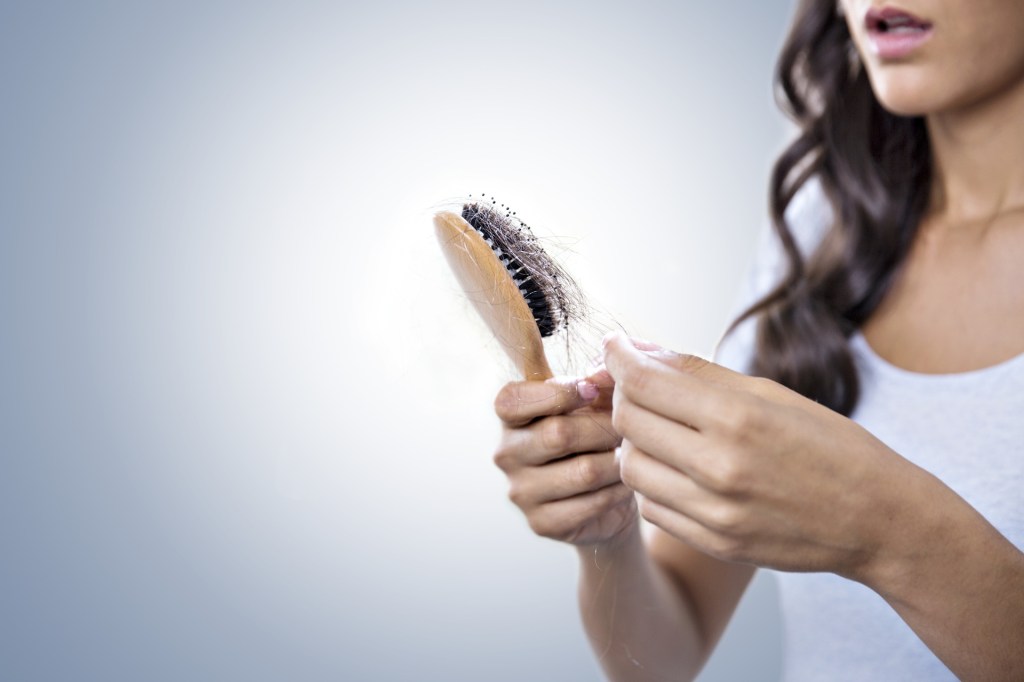
Many women notice that during menopause, their hair becomes weaker and begins to fall out. What causes this?
Menopause is a difficult period in a woman’s life, accompanied by significant hormonal changes.
Estrogen levels, the female sex hormones, decrease, while androgens, the male hormones, increase. High androgen levels negatively impact hair growth, weaken hair follicles, and cause hair loss.
A comprehensive approach is needed to address this issue. First, consult a gynecologist-endocrinologist and have your sex hormones and vitamin levels tested.
Your doctor will help you choose hormone replacement therapy. Additionally, they may prescribe cosmetic procedures. These procedures could include plasma therapy or mesotherapy.
Some women begin to lose hair at a relatively young age. What conditions might cause this problem?
Hair loss in young women can be associated with polycystic ovary syndrome (PCOS). With PCOS, as with menopause, estrogen levels decrease and androgen levels increase.
In such cases, it is recommended to check the level of sex hormones, including LH, FSH, estrogen, and testosterone. You should also take general blood tests. Finally, consult a gynaecologist.
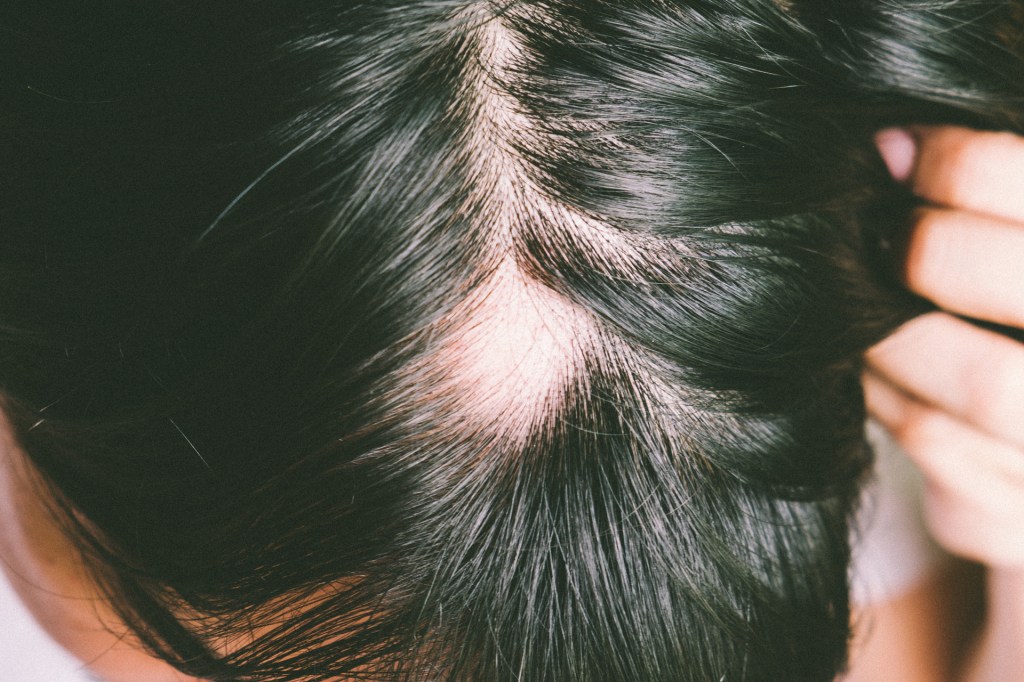
Nowadays, people are increasingly turning to hair transplants, especially men. But how long-lasting are these transplanted hairs? Will they also fall out if the underlying causes of alopecia aren’t addressed?
Before surgery, it’s recommended to prepare and address the causes of hair loss. You should also determine if you are suitable for a hair transplant. Certain trichological conditions, like alopecia areata, contraindicate hair transplantation. However, even after the transplant, new hair may fall out. This is a natural part of the healing process. After this phase, hair will begin to grow back.
— It’s common to hear that hair loss is ‘due to stress.’ Can stress really cause hair loss, and how does it happen physiologically?
— Long-term chronic stress can both aggravate the problem and cause hair loss in itself.
During stress, the body produces the hormones adrenaline and cortisol. When these hormones accumulate in large quantities, they suppress the activity of hair follicles. Hair enters a resting phase, and then it begins to shed rapidly.
— Can hair loss signal other serious illnesses?
— It can. For example, alopecia can be an early sign of coronary heart disease (CHD). With CHD, cholesterol accumulates in the vessel walls, plaques form, and circulation deteriorates. Hair follicles begin to suffer from a lack of oxygen and nutrients, which leads to weakening and hair loss.
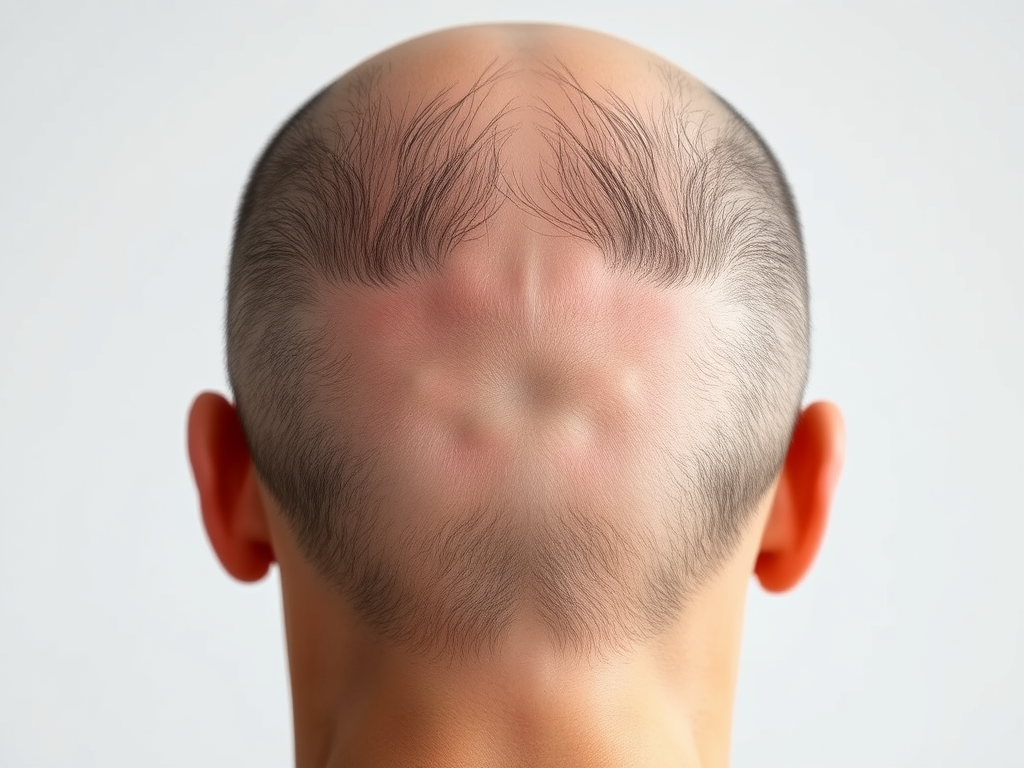
This disease is particularly characterized by hair loss in the crown, forehead and parietal areas.
In addition, some medications prescribed for chronic coronary heart disease can cause alopecia as a side effect.
In this case, you should immediately contact a therapist and a cardiologist. Monitor your blood pressure. Periodically take blood biochemistry tests. Do an ECG.
— Can gastrointestinal health affect hair condition?
— Of course. Gastrointestinal diseases (such as gastritis) disrupt nutrient absorption. Vitamins and minerals don’t enter the bloodstream in sufficient quantities, and the hair follicles are starved. As a result, the hair weakens and falls out.
If hair loss begins suddenly, pay attention to accompanying symptoms. These symptoms include gastrointestinal issues like pain in the upper abdomen, heartburn, belching, and nausea. You should consult a gastroenterologist.
Many people try to combat hair loss with shampoos, sprays, or salon treatments. How effective is this?
— External treatments and procedures help maintain healthy hair, but they don’t address the underlying cause of hair loss. If the underlying cause isn’t addressed, the effect of these treatments will be short-lived.
Hair isn’t just a decoration. It’s often a reliable indicator of your overall health. Don’t blame hair loss on poor environmental conditions or the wrong shampoo. Undergo a comprehensive examination to find the underlying cause of your hair loss. This approach is better than masking the symptoms for years. Otherwise, you allow the condition to progress.

You can and should share this story on social media. TELL US WHAT YOU THINK
A NEW GENERATION OF ROMANTIC STORIES by Michael Walsh, the magical weaver of romantic dreams. THE ENIGMA OF TIFFANY, SOUL MATES and THE DOVETAILS HOTEL. https://michaelwalshbooks.wordpress.com/

Share this:

Categories: healthcare



 Michael Walsh Stories and Books